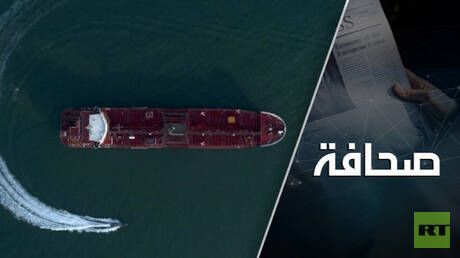
The British government is pursuing a diplomatic plan to reopen the Strait of Hormuz, potentially without US involvement. However, this plan faces several political and diplomatic obstacles.
The Strait of Hormuz is one of the most important waterways in the world, through which approximately 20% of the world's total oil passes. This strait has become the focus of many countries due to the increasing tensions in the region, particularly between Iran and the United States. In this context, Keir Starmer, the leader of the British Labour Party, has announced new assessments aimed at enhancing security in this vital corridor.
Details of the Initiative
The British plan includes a series of diplomatic and political measures aimed at securing freedom of navigation in the Strait of Hormuz. This move comes at a time when concerns are rising over escalating tensions in the region, as Iran continues its nuclear activities and develops its military capabilities.
Britain seeks to take independent steps in this regard, reflecting its desire to enhance its role as a global power following its exit from the European Union. However, significant obstacles remain, including the unclear position of the United States, which has historically been a key ally of Britain on regional security issues.
Background & Context
Historically, the Strait of Hormuz has been a center of geopolitical tensions, witnessing numerous crises and conflicts. In recent years, these tensions have significantly increased, especially after the United States withdrew from the Iran nuclear deal in 2018. This withdrawal led to heightened tensions between Iran and Western countries, impacting navigation in the strait.
Iran considers the Strait of Hormuz a vital artery for its economy, as much of its oil exports depend on this corridor. Conversely, Western countries, including Britain, seek to ensure freedom of navigation in this crucial strait, highlighting the importance of this issue on the international stage.
Impact & Consequences
If Britain succeeds in implementing its plan, it could lead to a shift in security dynamics in the region. This may encourage other countries to take similar steps to enhance their security in the Strait of Hormuz, potentially increasing tensions between Iran and Western nations.
On the other hand, failure to execute this plan could exacerbate conditions in the region, negatively impacting global oil prices and increasing instability in the markets. Any escalation in tensions could also adversely affect relations between major powers.
Regional Significance
The Arab countries bordering the Arabian Gulf are among the most affected by developments in the Strait of Hormuz. Any escalation in tensions could impact trade and navigation, adversely affecting the economies of these nations.
Moreover, the stability of the region heavily depends on how major powers handle these crises. Therefore, any steps taken by Britain in this context could have far-reaching implications for security and stability in the region.