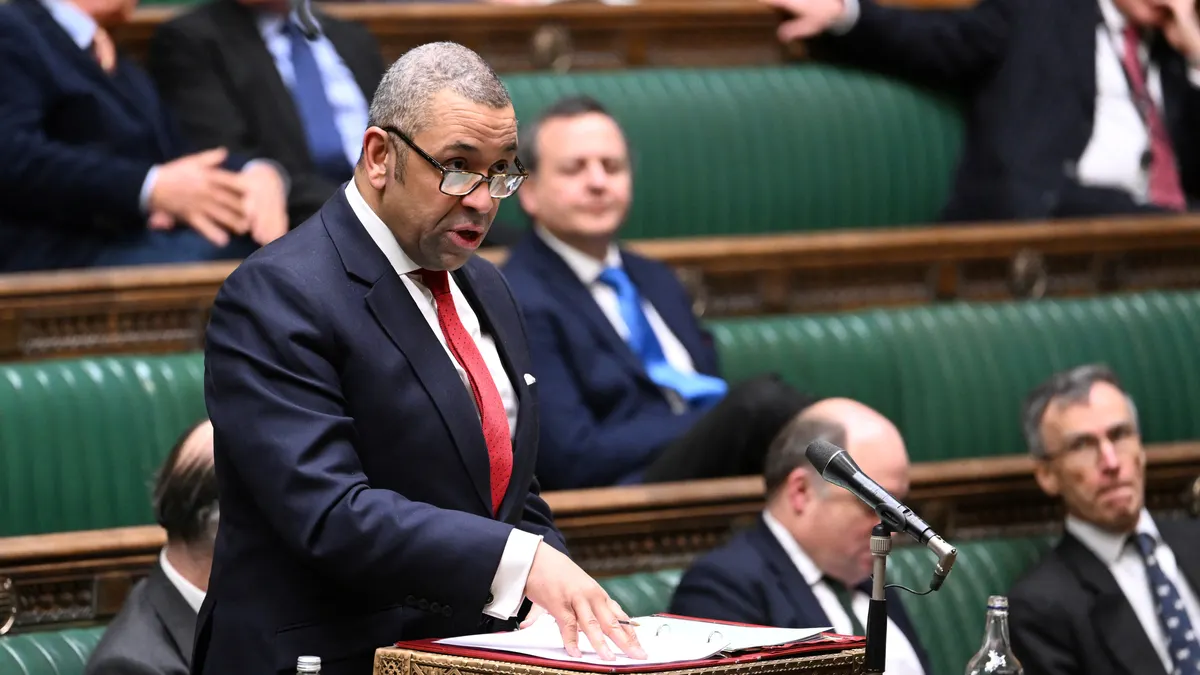
British Prime Minister Sir Keir Starmer announced the country's intention to enhance economic links with the European Union, amid the escalating war in Iran and its potential impacts on the British economy. This statement was made during a press conference where Starmer emphasized the importance of cooperation with the EU in areas of economy and security.
These remarks come at a time when relations between the United Kingdom and the United States are increasingly strained, as Starmer faces pressure from the British opposition to engage more deeply in the Iranian conflict. He confirmed that the British government is taking steps to address the rising cost of living, noting that the conflict will affect the UK.
Details of the Announcement
During the press conference, Starmer warned that the conflict in Iran would impact the British economy, stressing the need for the government to take urgent measures to protect citizens from rising energy costs. Opposition parties, including the Conservative Party and the British Reform Party, have called for the abolition of the VAT on household energy bills and have demanded the cancellation of the planned increase in fuel tax.
Starmer also indicated that the British government would remove some environmental charges from energy bills and increase the minimum wage in an attempt to alleviate the financial burden on citizens. He assured that the government was committed to addressing these economic challenges.
Background & Context
The ongoing conflict in Iran has raised concerns globally, particularly regarding its impact on oil prices and energy supplies. As the UK navigates its post-Brexit landscape, strengthening ties with the EU could provide a buffer against economic shocks stemming from international conflicts. Starmer's government is under scrutiny for its foreign policy decisions, especially in light of the rising costs of living that many British citizens are currently facing.
In recent months, the UK has seen a surge in energy prices, which many analysts attribute to geopolitical tensions, including the situation in Iran. The government's response to these challenges will be crucial in determining its popularity and effectiveness in managing the economy.
Impact & Consequences
The implications of the Iranian conflict on the UK economy could be significant, particularly if oil prices continue to rise. This could lead to higher energy bills for consumers, exacerbating the cost of living crisis that many are experiencing. Starmer's proposals to work closely with the EU may help mitigate some of these effects by ensuring a more stable energy supply and fostering economic collaboration.
Moreover, the political landscape in the UK could shift dramatically if the government fails to address these pressing issues effectively. The opposition's calls for tax relief and increased support for citizens may resonate with voters, influencing future elections and government policies.
Regional Significance
The strengthening of economic ties between the UK and the EU is not only vital for the British economy but also for regional stability. As European nations face similar challenges due to rising energy costs and geopolitical tensions, a united front could enhance security and economic resilience across the continent.
Furthermore, the UK's relationship with the EU could serve as a model for other nations grappling with the fallout from international conflicts, showcasing the importance of collaboration in addressing shared challenges.
Closing Remarks
In conclusion, Prime Minister Starmer's commitment to enhancing economic ties with the EU amid the Iranian conflict reflects a strategic approach to navigating complex geopolitical landscapes. As the situation evolves, the effectiveness of these measures will be closely watched, both domestically and internationally.