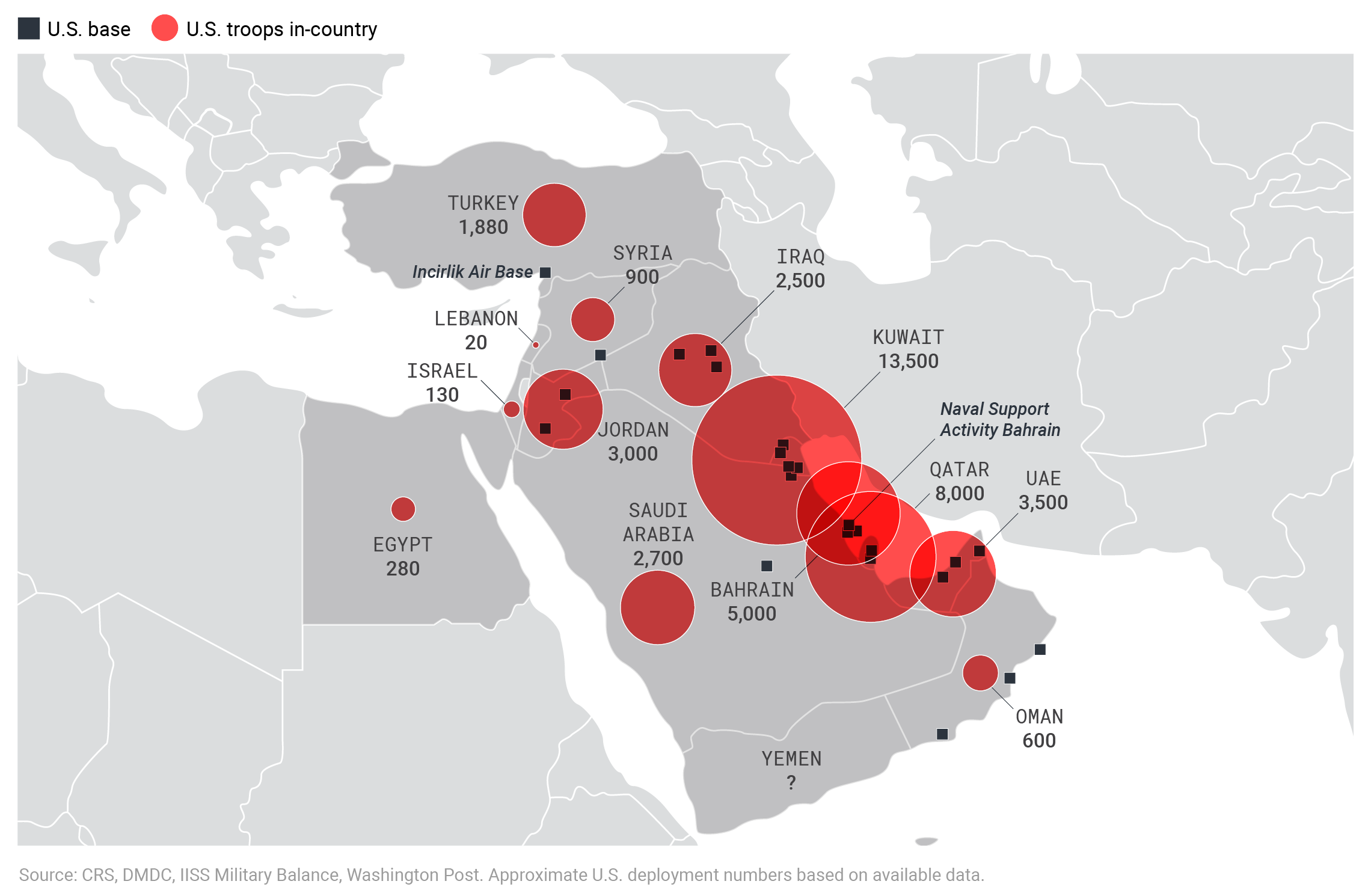
Britain is seeking to enhance its presence in the Middle East to safeguard its strategic interests, particularly amid rising tensions in the region. This move is part of the British government's efforts to secure its influence in an area deemed critically important both economically and politically.
The challenges facing Britain in the Middle East are increasing, with political crises and armed conflicts escalating in several countries. In this context, the British government aims to strengthen its relations with Arab nations and expand cooperation in various fields, including security and the economy.
Details of the Initiative
According to British government sources, London plans to increase its military forces in the region, in addition to enhancing intelligence cooperation with its allies. This decision comes at a time when the region is witnessing heightened tensions, particularly due to ongoing crises in Syria, Yemen, and Iraq.
Furthermore, Britain aims to bolster its economic presence through new investments in energy and infrastructure sectors. The Middle East is considered a promising market for many British companies seeking new growth opportunities.
Background & Context
Historically, Britain has played a significant role in the Middle East, having had colonies and considerable influence in the region. Over time, this influence has waned due to political and social changes. Nevertheless, Britain still regards the Middle East as a strategic area, rich in natural resources and large markets.
In recent years, the region has undergone radical changes, prompting many Western countries, including Britain, to reassess their strategies. Continuous crises have increased the need for international interventions, placing Britain in a position that requires swift and effective decision-making.
Impact & Consequences
Analysts expect these steps to enhance relations between Britain and Arab countries, potentially contributing to relative stability in the region. However, there are concerns that an increased military presence could escalate tensions, especially with other regional powers seeking to enhance their influence.
Additionally, these moves may affect relations between Britain and other major powers, such as the United States and Russia, as each party seeks to secure its interests in the region. Consequently, any British action could reflect on the political balances in the Middle East.
Regional Significance
These British steps are significant for Arab countries, as they could lead to new opportunities for cooperation in various fields. Moreover, an enhanced British presence may contribute to supporting stability in some countries facing crises.
However, Arab nations must be cautious of any external interventions, as history shows that military interventions often complicate situations rather than resolve them. Therefore, positive cooperation based on mutual respect is the optimal path to achieving stability in the region.
In conclusion, Britain's enhancement of its presence in the Middle East reflects the region's importance to its strategic interests. However, it requires a delicate balance between strengthening relations and military interventions to ensure goals are met without exacerbating crises.