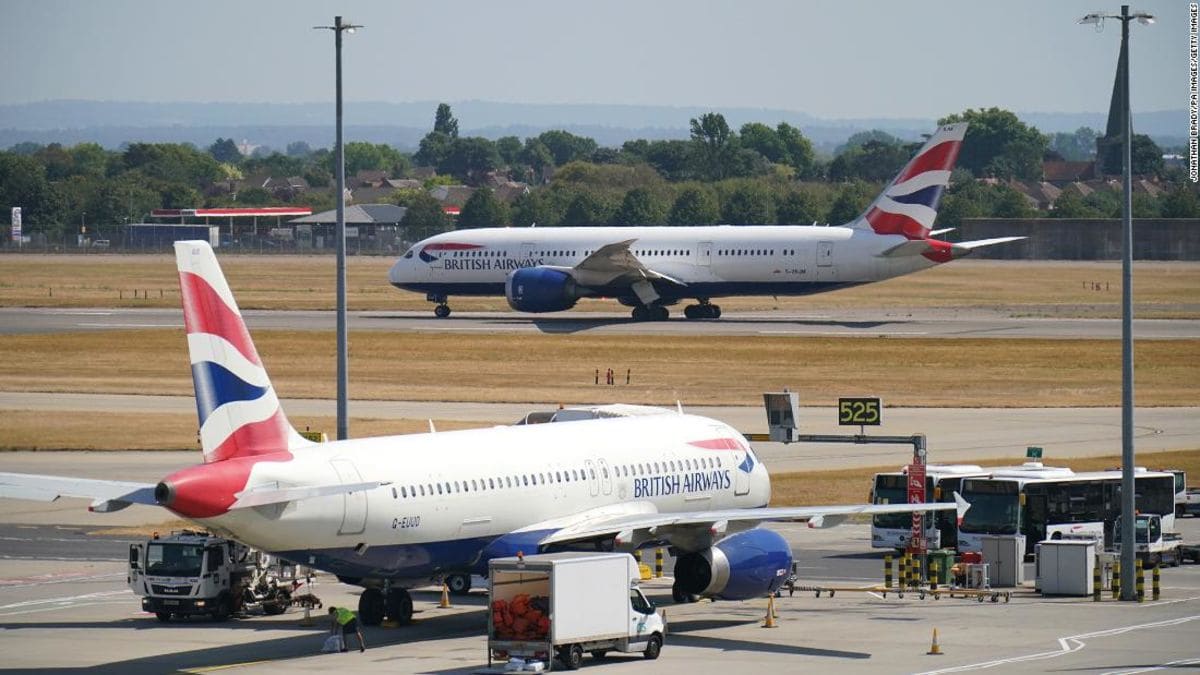
British Airways has announced financial incentives for pilots aimed at reducing fuel consumption in aircraft, in a move that reflects the airline industry's efforts to tackle rising oil prices and comply with stricter environmental regulations. This initiative comes at a time when the aviation industry is facing significant challenges related to increasing costs and growing pressure to reduce carbon emissions.
British Airways, one of the largest airlines in the world, is seeking to lower its operational expenses by encouraging pilots to adopt more efficient flying techniques. Company officials have indicated that these incentives will help reduce fuel consumption, which will positively impact operational costs.
Details of the Initiative
The financial incentive plan includes rewards for pilots who manage to reduce fuel consumption by a certain percentage during their flights. This is part of a broader strategy aimed at achieving sustainability and minimizing the environmental impact of aviation operations. These incentives are designed to be attractive to pilots, as they can lead to significant financial rewards if specific targets are met.
This step is part of wider efforts in the aviation industry, where companies are striving to improve fuel efficiency amid rising global oil prices. Fuel is one of the largest costs faced by airlines, making its reduction vital for maintaining profitability.
Background & Context
The aviation industry has witnessed a notable increase in fuel costs over the past few years, negatively impacting profit margins. Recently, oil prices have surged significantly, prompting airlines to seek new ways to cut expenses. Additionally, there has been increased pressure from governments and communities to limit carbon emissions, making it essential for companies to take effective steps towards sustainability.
British Airways is considered a leader in this field, always striving for innovation and improving operational efficiency. The company has previously implemented new technologies to enhance fuel efficiency, such as using modern aircraft that have higher fuel efficiency.
Impact & Consequences
This initiative is expected to positively affect the company's financial performance, potentially leading to reduced operational costs and increased profitability. Furthermore, this step may encourage other airlines to adopt similar approaches, which could lead to improved fuel efficiency across the industry as a whole.
Moreover, this initiative could enhance the company's image as an environmentally responsible institution, potentially attracting more customers who prefer companies that embrace sustainable practices. With growing environmental awareness, this step could be an effective strategy for attracting new clients.
Regional Significance
The aviation industry in the Arab region is a vital sector, playing an important role in connecting countries and boosting tourism. With rising oil prices, Arab airlines may face challenges similar to those encountered by British Airways. Therefore, there may be an urgent need to adopt similar strategies to improve fuel efficiency and reduce costs.
Additionally, these initiatives could foster cooperation between Arab and international airlines in enhancing fuel efficiency, contributing to the achievement of global sustainability goals.
In conclusion, British Airways' step to offer financial incentives to pilots for reducing fuel consumption reflects the challenges facing the aviation industry today. As economic and environmental pressures increase, this initiative could serve as a model for airlines worldwide.