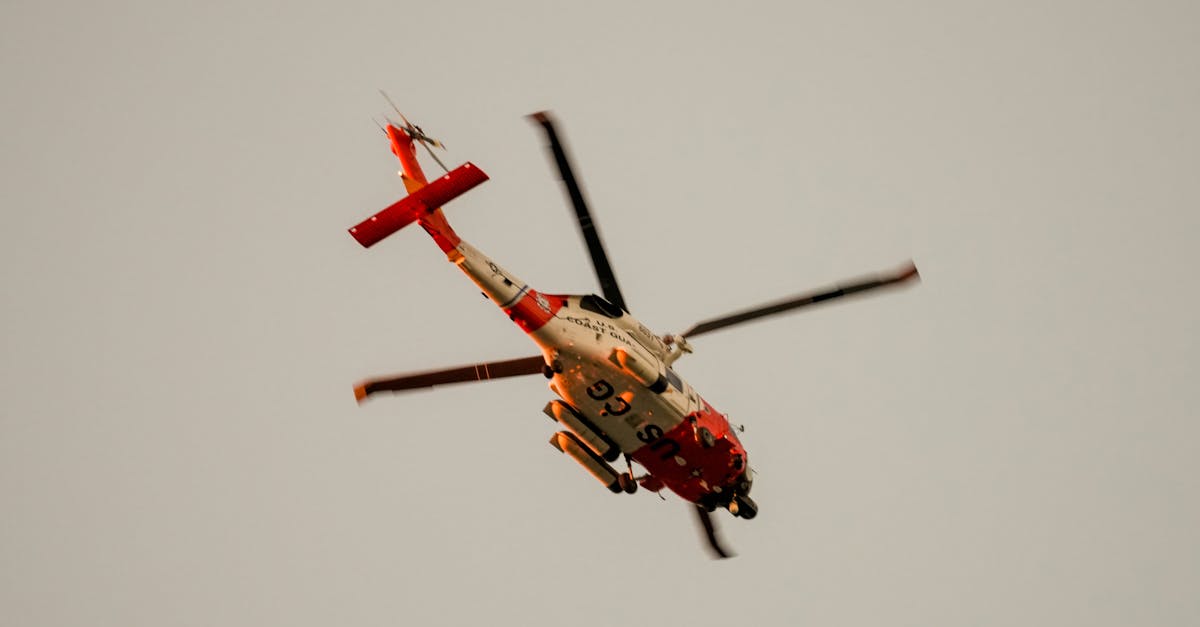
A unit of the British Army executed an air rescue operation on Tristan da Cunha Island to assist a British citizen suspected of having the hanta virus. This operation follows an outbreak on the cruise ship MV Hondius, which witnessed fatalities due to the virus.
The British citizen, who resides on the island, left the ship in mid-April and reported symptoms of the illness two weeks after his departure. His health condition is stable, and he is currently in quarantine. Six individuals have been confirmed to have the virus, including two other British citizens receiving treatment off the ship.
Details of the Rescue Operation
In an unprecedented rescue operation, a team of British soldiers jumped from a military aircraft onto Tristan da Cunha Island, one of the most remote islands in the world. The team, consisting of six paratroopers and two doctors, was dispatched from RAF Brize Norton. This marks the first time the British Army has deployed medical personnel to provide humanitarian support in a remote area.
During the operation, oxygen supplies were dropped from a RAF A400M aircraft, as the supply levels on the island had reached a critical point. The British Defense Minister confirmed that the conditions were extremely challenging, praising the bravery of the soldiers who carried out the mission under significant pressure.
Background & Context
The hanta virus is a group of viruses transmitted by rodents, often not spread from person to person. However, the Andes strain, identified in several individuals aboard the Dutch ship, can be transmitted between humans. Since the onset of the virus outbreak, three fatalities have been recorded, including two confirmed cases of hanta virus infection.
Historically, Tristan da Cunha Island is considered one of the most isolated places in the world, lacking an airport and accessible only by sea. The island has a population of approximately 221 residents, making any virus outbreak extremely dangerous.
Impact & Consequences
This incident underscores the importance of rapid response in health emergencies. Sending a medical team to a remote area reflects the British government's commitment to protecting its citizens, even in the most challenging circumstances. The hanta virus outbreak highlights the health risks that small and isolated communities may face.
Global health organizations, such as the World Health Organization, are closely monitoring the situation. The organization has confirmed two suspected cases of hanta virus, including the British citizen on Tristan da Cunha. There is also concern regarding the health of other passengers who were aboard the ship.
Regional Significance
Although the incident involves British citizens, the outbreak of infectious viruses poses a global threat. In the Arab region, where many isolated communities exist, effective strategies must be in place to address epidemics. International cooperation in public health is vital to tackle such challenges.
In conclusion, this incident highlights the importance of swift and effective responses to epidemics, emphasizing the need for enhanced international collaboration in public health to protect vulnerable communities.