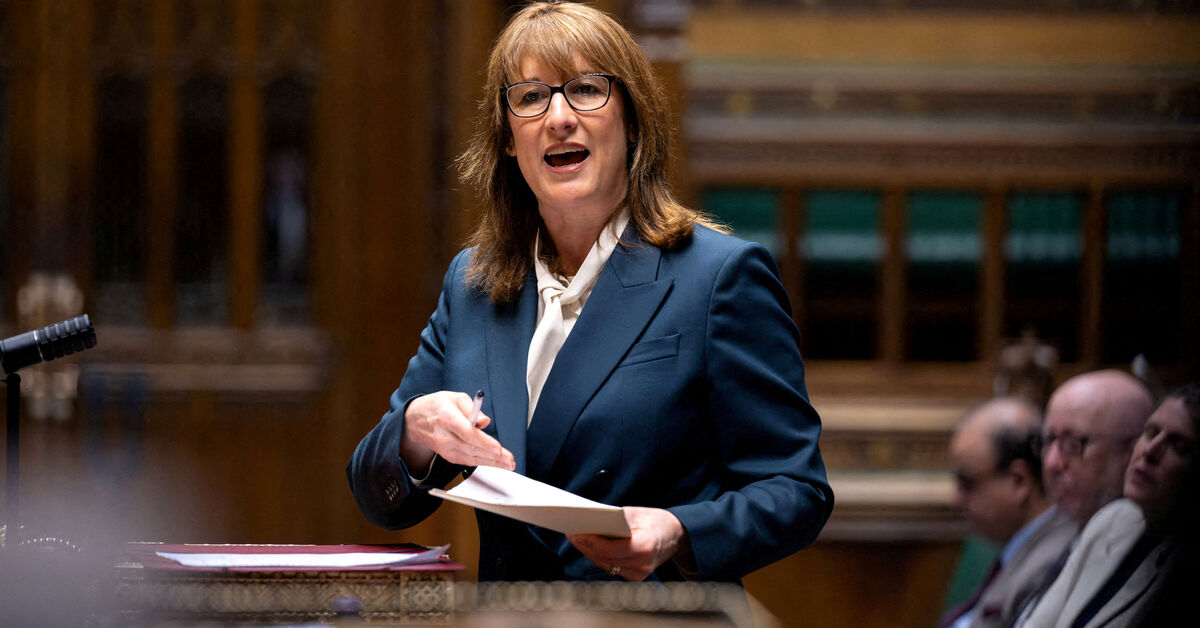
During the upcoming G7 meeting on Monday, British Finance Minister Rachel Reeves called on her counterparts to refrain from taking any unilateral trade measures, such as imposing new trade barriers, as the war in Iran continues. She emphasized that such steps could further threaten global energy security, necessitating cooperation and coordination among member states.
In a statement from her ministry, Reeves clarified that the G7 should work collectively rather than taking actions that might pressure partners or weaken the group's ability to address shared challenges. This warning comes at a sensitive time, as tensions in the Middle East are escalating due to the ongoing conflict in Iran.
Details of the Meeting
The G7 meeting, which includes finance ministers, energy ministers, and central bank governors, aims to discuss global economic issues, including the impact of the conflict in Iran on global markets. Reports have indicated that the war in Iran could negatively affect energy supplies, increasing the importance of coordination among G7 member states.
Reeves seeks to emphasize that any unilateral steps could exacerbate crises, especially under current conditions that require solidarity and cooperation among nations. This meeting is seen as an opportunity to strengthen international collaboration in addressing global economic challenges.
Background & Context
Historically, the Middle East has witnessed numerous conflicts that have affected the stability of global energy markets. The war in Iran is not new, but it has escalated significantly in recent times, raising concerns about its impact on oil supplies and energy prices. In recent years, the G7 has aimed to enhance cooperation among member countries to tackle global economic challenges, but regional conflicts may hinder these efforts.
The G7 is one of the most prominent global economic organizations, comprising countries such as the United States, Canada, the United Kingdom, France, Germany, Italy, and Japan. These nations have experienced cooperation in various fields, but geopolitical tensions may affect their ability to make effective collective decisions.
Impact & Consequences
If unilateral trade actions are taken by some G7 member states, it could exacerbate global economic crises, negatively impacting financial markets and energy prices. Such actions may also heighten tensions among member countries, weakening the group's capacity to confront shared challenges.
Moreover, any escalation in the Iranian conflict could lead to rising oil prices, which would affect the global economy as a whole and increase pressures on developing countries that rely on energy imports. Therefore, Reeves' call for cooperation and coordination is deemed essential at this stage.
Regional Significance
Arab countries are among those most affected by conflicts in the Middle East, as many of these nations rely on energy supplies from Iran. Any escalation in the conflict could have negative repercussions on oil prices, which would reflect on the Arab economy as a whole. Additionally, tensions in the region may impact the political and economic stability of neighboring countries.
Ultimately, the current situation in the Middle East requires effective international cooperation, as any unilateral actions could exacerbate crises rather than resolve them. Thus, the British Finance Minister's call is considered a significant step towards enhancing international collaboration in addressing economic challenges.