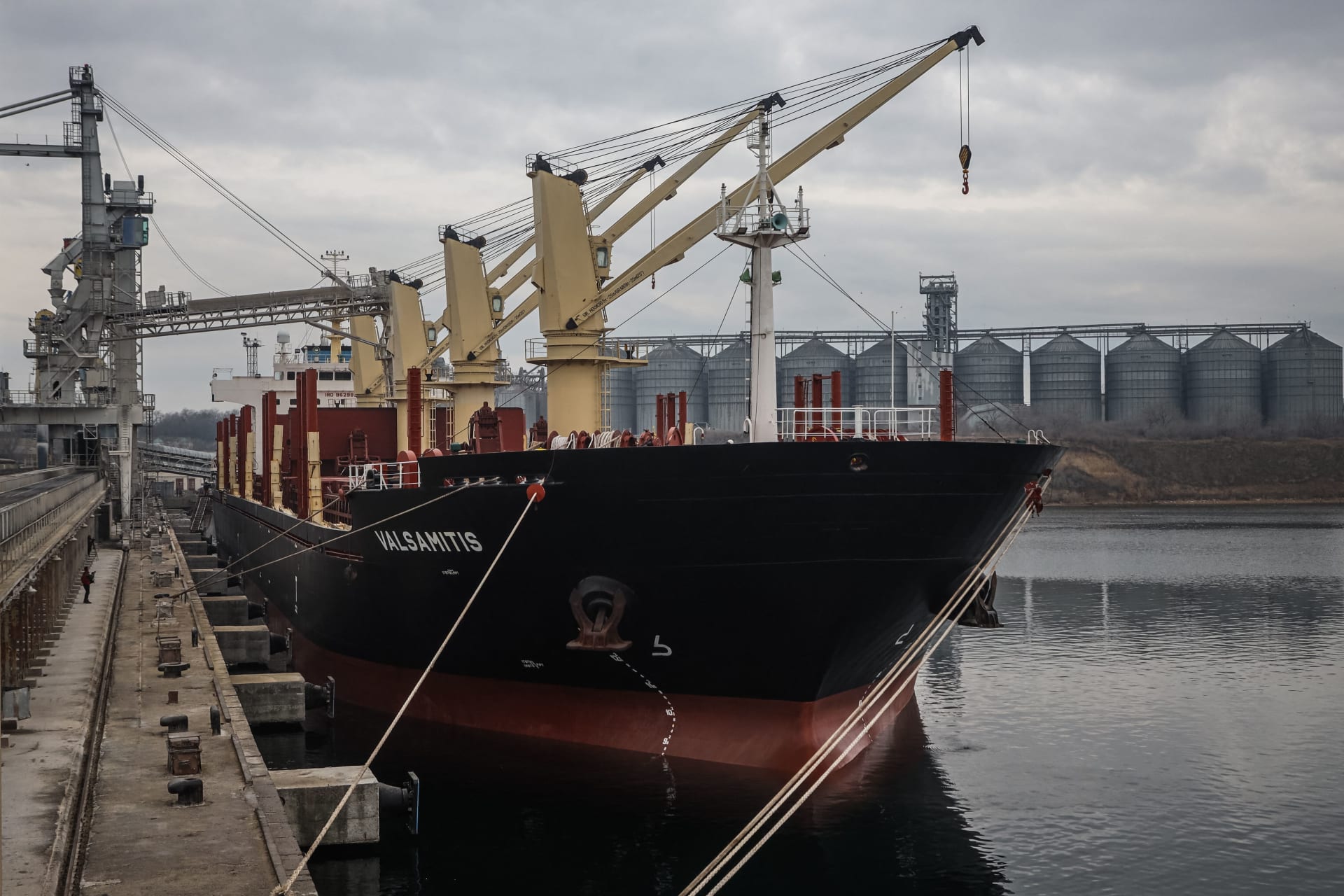
British forces have announced advanced preparations to detain ships from the Russian dark fleet in UK waters, following the Prime Minister's approval for military action against these vessels. This move is part of the UK government's efforts to deprive Russia of revenue funding its war in Ukraine.
In statements made by the leader of the Labour Party, Sir Keir Starmer, he confirmed that this step will contribute to starving the "Russian war machine" of the dirty profits financing its barbaric campaign. This announcement comes at a sensitive time, as much of the UK government's attention is focused on the conflict in the Middle East, despite the ongoing threats posed by Russia.
Details of the Operation
The Royal Navy is preparing to initiate operations to detain Russian ships operating under false flags, which is considered a means to evade sanctions imposed on Russian oil. The legal basis for these operations was established last January, paving the way for the first operation of this kind to take place soon.
No ships have been detained yet, but government officials are working to change that. Specialized military units have undergone training in recent weeks to prepare them for various scenarios, including how to deal with armed crews aboard the ships.
Background & Context
Russia is one of the largest oil producers in the world, with approximately 75% of its crude oil transported via aging vessels. The UK government has imposed sanctions on 544 ships believed to be part of the dark fleet. Earlier this year, British forces assisted American forces in detaining the oil tanker Marinera, which was accused of violating sanctions by transporting oil to Venezuela, Russia, and Iran.
Following this, the UK government began exploring how British forces could lead similar operations against prohibited ships crossing UK waters. Government lawyers have identified the Proceeds of Crime and Money Laundering Act of 2018 as a legal means allowing the use of military force.
Impact & Consequences
This move represents an escalation in Western efforts to contain Russia, especially amid rising tensions in the region. This action demonstrates the UK government's commitment to addressing Russian threats, despite the challenges it faces in the Middle East.
These operations may provoke strong reactions from Russia, which could view them as a violation of its sovereignty. Such actions are likely to escalate tensions between the West and Russia, complicating the geopolitical landscape further.
Regional Significance
The Arab region is indirectly affected by these developments, as rising oil prices due to global conflicts may impact the economies of Arab countries. Additionally, the escalation between Russia and the West could reflect on the situation in the Middle East, where political and economic interests intersect.
Ultimately, these events remain under the world's watchful eye, as fears of escalating military conflicts and their impact on regional and international stability grow.