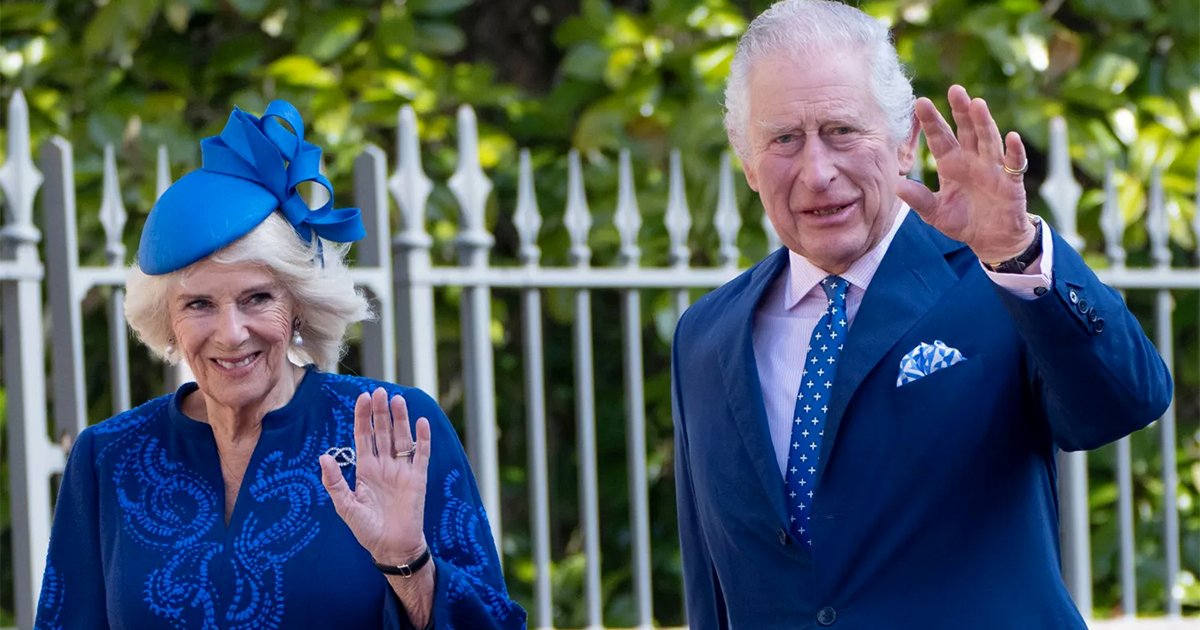
The British Royal Family gathered for the Easter service, where Prince Andrew and his family were notably absent. This annual event, considered a traditional gathering, saw the presence of several royal family members at St. George's Chapel, reflecting their commitment to royal traditions despite the changes the family has undergone in recent years.
The Easter service is regarded as one of the significant occasions in the royal calendar, where family members come together to extend greetings and celebrate this religious event. This year, King Charles III, Queen Camilla, and Prince William along with his wife Kate were in attendance, alongside other family members.
Event Details
This year, the absence of Prince Andrew and his family was particularly noticeable, as he did not participate in the service, raising questions about his current status and relationship with the royal family. It is worth noting that Prince Andrew has faced numerous challenges in recent years, including legal issues related to his personal conduct.
The service took place at St. George's Chapel, one of the most prominent historical landmarks in the United Kingdom, which hosts many royal events. The ceremony was attended by several public figures and citizens who came to participate in the celebration.
Background & Context
Easter is one of the most important Christian holidays, celebrated worldwide. In the United Kingdom, royal celebrations are considered part of the cultural heritage, showcasing the royal family's commitment to religious values and traditions.
Prince Andrew, once regarded as a prominent figure within the royal family, has encountered several crises that have affected his public image. His absence from the Easter service symbolizes the changes that have occurred regarding his status within the family.
Impact & Consequences
Prince Andrew's absence from the service may indicate ongoing tensions within the royal family and could impact the family's public image. These events illustrate how personal crises can affect royal traditions.
Additionally, Andrew's absence may strengthen King Charles III's position in managing royal affairs, giving the impression that the king is striving to rebuild the family's image following a series of crises.
Regional Significance
Although this event pertains to the British royal family, it has implications for international relations. Royal families around the world symbolize heritage and traditions, potentially inspiring some Arab nations in how they manage their royal affairs.
Events in the United Kingdom are closely monitored in the Arab world, where King Charles III is viewed as a pivotal figure in international politics, and his decisions may influence relations between the UK and Arab countries.
In conclusion, Prince Andrew's absence from the Easter service highlights the challenges facing the British royal family and reflects the changes in its role within society. All eyes remain on how the family will address these challenges in the future.