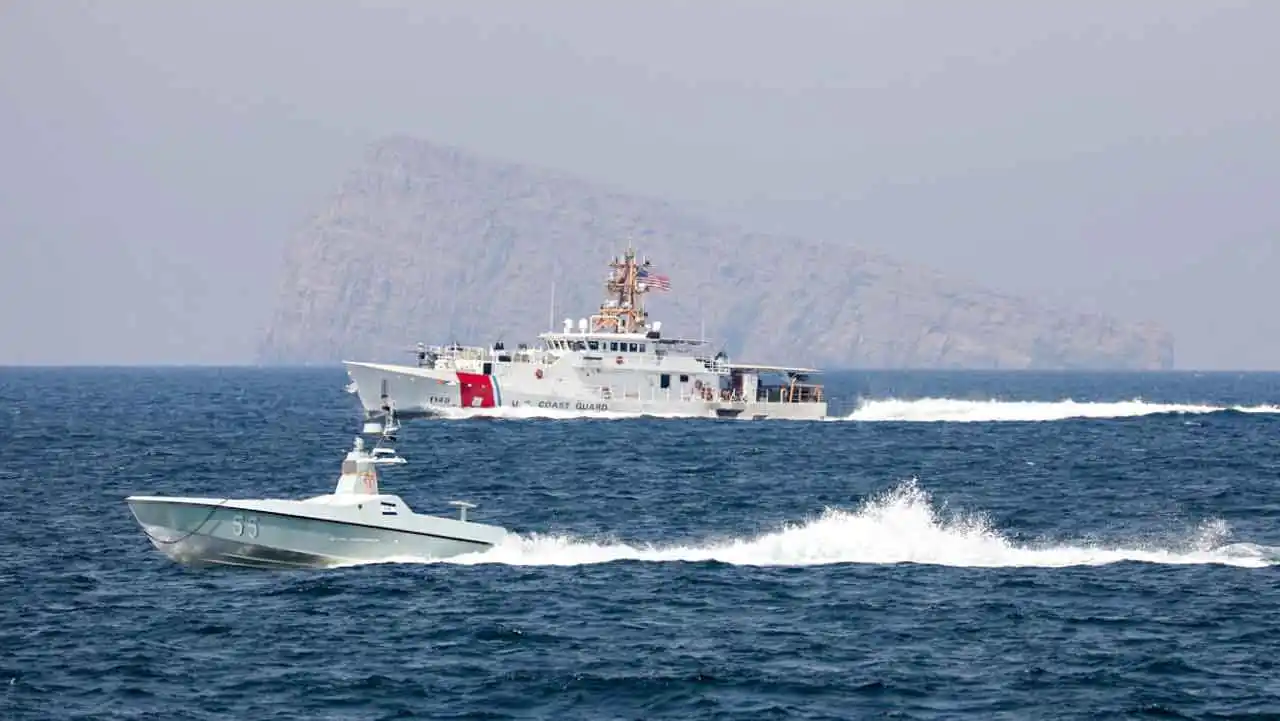
The British Royal Navy has launched a new initiative aimed at utilizing drones that function as "motherships" for countering maritime mines in the Strait of Hormuz. This step is part of the Navy's efforts to mitigate risks faced by human crews while carrying out operations in challenging waters.
This initiative is a component of a broader strategy to enhance British military capabilities in the Middle East, a region currently experiencing heightened tensions, particularly due to escalating Iranian maritime activities. These drones are expected to improve the effectiveness of naval operations and reduce risks to human lives.
Details of the Initiative
The British Royal Navy's plan includes the deployment of advanced drones capable of detecting and neutralizing maritime mines without the need for direct human intervention. These drones, developed in collaboration with advanced technology companies, will serve as launch platforms for other drones tasked with search and dismantling operations.
These drones are expected to be stationed in the strategically vital waters of the Strait of Hormuz, which is a crucial transit point for oil and gas transportation, accounting for approximately 20% of global oil supplies. This project comes at a sensitive time, as maritime threats in the region have increased, necessitating effective preventive measures.
Background & Context
Historically, the Strait of Hormuz has been a theater for numerous maritime conflicts, witnessing various incidents related to maritime mines. In recent years, Iranian activities in the region have intensified, leading to escalating tensions between Iran and Western nations, particularly the United States.
In 2019, the region experienced a series of attacks on oil tankers, raising international concerns and prompting several countries to bolster their military presence in the area. The British Royal Navy's move is part of a broader response to these threats, as Western nations seek to protect their economic and security interests in the region.
Impact & Consequences
This initiative could significantly impact naval operations in the region, helping to reduce the risks faced by human crews. Furthermore, the use of drones may alter the nature of maritime conflicts, making operations more precise and less costly in human terms.
However, this move may provoke reactions from Iran, which could perceive it as a threat to its national security. Should tensions escalate, this could exacerbate the situation in the region and increase the likelihood of new conflicts.
Regional Significance
These developments are particularly significant for Arab nations, as the Strait of Hormuz is a vital artery for oil and gas transport. Any escalation in maritime tensions could directly affect global oil prices, impacting the economies of Arab countries that heavily rely on oil exports.
Moreover, the enhancement of British military presence in the region may lead to shifts in regional alliances, as some Arab nations might seek to strengthen their military cooperation with Western countries to counter potential threats.
In conclusion, this step by the British Royal Navy represents an important shift in how maritime threats in the Hormuz region are addressed. As tensions continue, it remains to be seen how these developments will affect security and stability in the area.