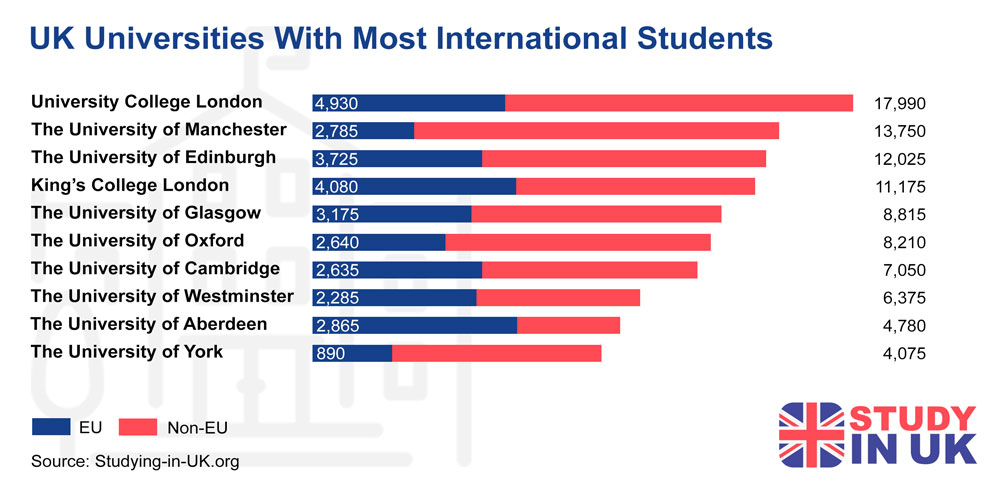
An investigative report published by The Guardian reveals that despite their global rankings, British universities hide a dark reality for international students, who have become a financial lifeline for these institutions. These students are subjected to unrealistic promises, creating a significant gap between expectations and realities.
The story begins with an Indian young man named Sam, who sought to improve his future by pursuing a master's degree in the UK. After filling out application forms, he found himself surrounded by offers from education agents providing their services for free, only to later discover that universities are the ones paying commissions to these agents.
Event Details
British universities attract around 400,000 international students annually, making this process a cornerstone of the higher education system. In 2023, universities spent approximately £500 million on education agents, reflecting the fierce competition to attract international students, who represent a quarter of university income.
Priya Kapoor, who worked at an educational consultancy in India, describes how students are turned into commodities sold to universities. She explains that the choice of universities is based on the size of the commission paid, rather than academic quality. Kapoor was responsible for writing the 'statement of purpose,' but she would craft fictional stories to make students appear as ideal candidates.
Background & Context
Since 2012, British universities have faced a financial crisis due to government funding cuts, forcing them to rely on international students who pay significantly higher fees. This reliance on international students contradicts government policies aimed at reducing immigration, creating contradictions that affect students.
Students face multiple shocks upon arriving in the UK, where the mental image of a country full of opportunities collides with the reality of a severe housing crisis and a competitive job market. The case of student Ajith, who sold his family land to study at Oxford, reflects this experience, as he found himself forced to take low-paying jobs to cover living expenses.
Impact & Consequences
Data shows that more than two-thirds of students in the UK work while studying, but the pressure is greater on international students. After graduation, these students face additional challenges in finding jobs that sponsor visas, forcing many to return to their home countries without achieving their goals.
Reports indicate that 90% of international student cohorts had to return due to a lack of job opportunities. Some accept low-skilled jobs, reflecting the magnitude of the crisis these students experience.
Regional Significance
The experience of international students in the UK serves as an important lesson for Arab students seeking to study abroad. They must be aware of the challenges they may face, including high costs and economic pressures.
This experience requires deep thinking about how to choose universities and study programs, as well as the importance of seeking reliable information before making a decision.
Ultimately, Sam's experience, returning to India burdened with debt, reflects the reality of many students living under the illusion that finding work will be easy. This story highlights the need to rethink how international students are attracted and what ethics should govern this field.