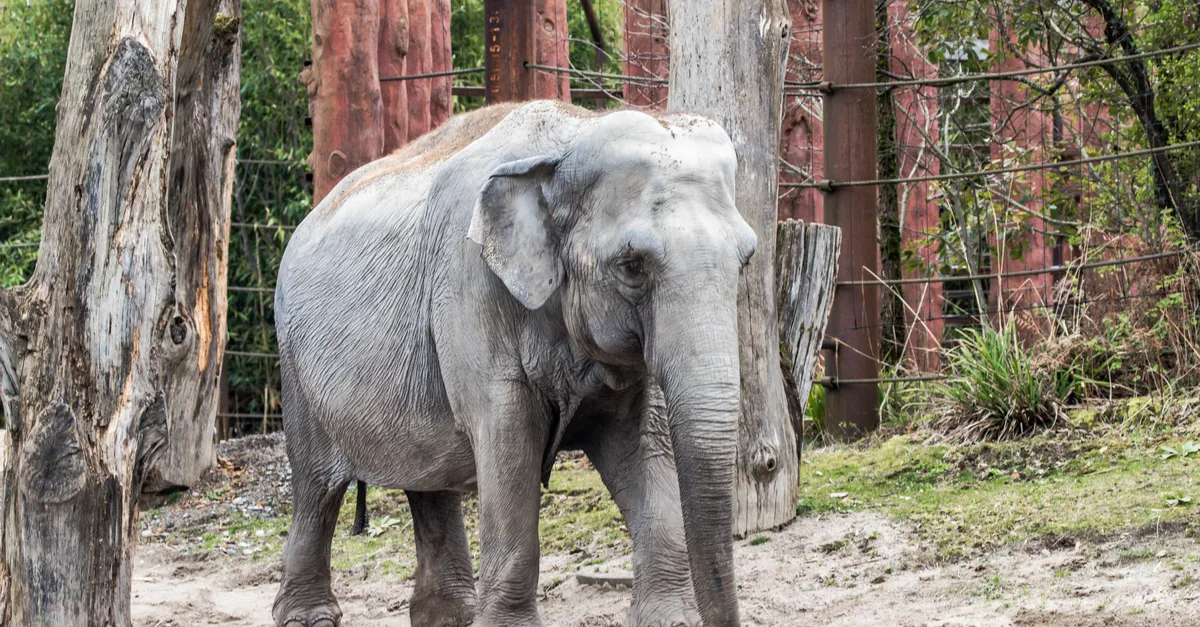
The Bronx Zoo in New York has announced the passing of Happy the elephant, who was pivotal in scientific research regarding elephants' ability to recognize themselves. Happy died after suffering from health problems, evoking feelings of sadness among zoo visitors and animal lovers worldwide.
Happy had been at the Bronx Zoo for over 40 years, becoming a symbol of scientific research on elephant intelligence. Studies conducted on him contributed to a deeper understanding of these social animals, revealing that elephants can recognize themselves in mirrors, a behavior considered a sign of self-awareness.
Event Details
Happy passed away after a prolonged struggle with health issues, leading to the decision of euthanasia as the best option to end his suffering. The zoo management confirmed that this decision was not easy, but it was necessary to ensure the animal's comfort. Happy was known for his unique personality and left a significant impact on the hearts of zoo visitors.
It is noteworthy that Happy was not just an ordinary elephant; he was part of a series of studies that helped change perceptions about elephant intelligence. Research has shown that elephants possess advanced cognitive abilities, making them one of the smartest animals on Earth.
Background & Context
Historically, elephants have been considered animals that live in complex social groups, interacting with each other in various ways. Previous studies have demonstrated that elephants have strong memories and the ability to learn from experiences. Happy was part of this research, and his life contributed to expanding our understanding of these magnificent creatures.
In recent years, awareness has increased regarding animal rights and the necessity of preserving their environments. Happy helped highlight the importance of protecting elephants from poaching and habitat loss. His death reminds us of the significance of these issues and the challenges they present.
Impact & Consequences
The passing of Happy may have a significant impact on future research regarding elephants. This event could lead to increased interest in finding new ways to protect elephants and conserve their habitats. It may also stimulate discussions about animal rights and how to handle them in captivity.
Happy's death is expected to elicit reactions from animal rights activists, who may use this occasion to spotlight broader issues related to the protection of elephants and wildlife in general. These issues require global attention and cooperation among nations to safeguard these creatures.
Regional Significance
Although elephants are not native to the Arab region, their death raises important issues concerning wildlife protection. In many Arab countries, there are increasing efforts to protect endangered animals, reflecting a growing awareness of the importance of preserving biodiversity.
Happy's death could serve as a catalyst for further research and studies on animals in the region, including how to protect endangered species. Raising awareness about animal rights can contribute to improving environmental conditions in the area.