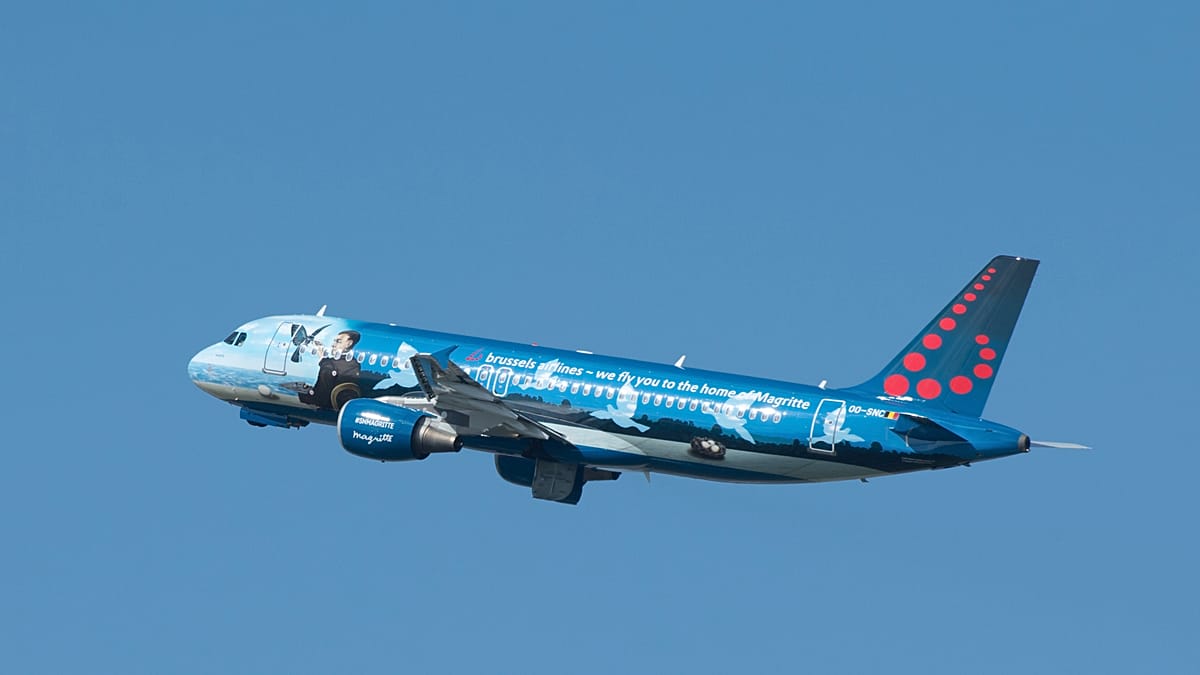
Brussels Airlines has confirmed that it will continue to operate its flights without any cancellations "for now," despite growing concerns regarding a shortage of aviation fuel resulting from the ongoing conflict in the Middle East, particularly in the Strait of Hormuz. This assurance was made by a company spokesperson during an interview with Euronews.
Amid worries about flight cancellations during the summer season, the Belgian airline clarified that it has secured 80% of its aviation fuel needs until the end of 2026 through a special hedging strategy, meaning that it has not physically retained the actual quantity of fuel but has locked in prices at pre-crisis levels.
Details of the Fuel Strategy
The spokesperson for Brussels Airlines explained that the hedging strategy is a financial tool where prices are predetermined, and there is currently no actual purchase of fuel. The Lufthansa Group, which owns Brussels Airlines, manages the hedging and purchasing of aviation fuel centrally.
For its part, the Lufthansa Group has confirmed that it does not expect any disruptions in aviation fuel supplies over the next six weeks, noting that this period is considered a benchmark as fuel companies provide supply information six weeks in advance.
Background & Context
Concerns regarding aviation fuel supplies in Europe have increased following the closure of the Strait of Hormuz, which has seen fuel prices rise by nearly 150%. Last April, Brussels Airlines announced that it would soon end its policy of allowing free carry-on luggage on short and medium-haul flights in an attempt to alleviate high costs.
The new tariffs only include one personal item, such as a laptop bag or a small bag, while passengers wishing to carry a standard cabin bag weighing up to 8 kg will have to pay an additional fee.
Impact & Consequences
While airlines express concern over the possibility of flight cancellations due to fuel supply disruptions, EU officials assert that no shortage of aviation fuel has been reported across the 27 EU member states. The European Commissioner for Transport indicated that the cancellations recorded so far are "unrelated" to fuel shortages but rather due to the unprofitability of airlines.
However, the European Commission acknowledged that if geopolitical disruptions continue beyond the end of May, discussions may be held regarding the coordinated release of emergency reserves.
Regional Significance
This situation impacts air transport in both Europe and the Middle East, which could reflect on the economy and tourism. The ongoing tensions in the region have far-reaching implications for travel and trade, making it crucial for airlines to navigate these challenges effectively.
In conclusion, Brussels Airlines' proactive measures in securing fuel supplies and managing operational costs highlight the airline's commitment to maintaining service continuity amidst external pressures. The situation remains fluid, and stakeholders will need to stay vigilant as developments unfold.