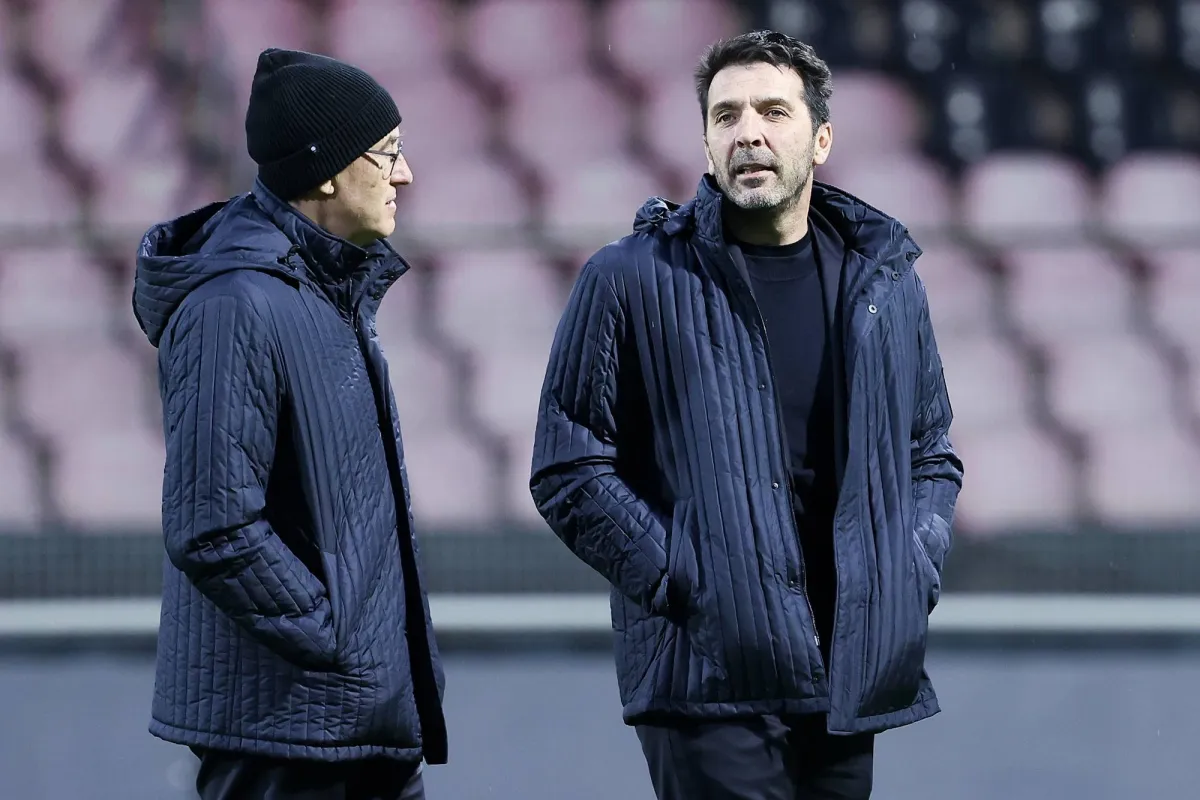
Gianluigi Buffon, the former goalkeeper of Italy, announced his resignation from his position as the general coordinator of the national team, expressing his frustration after the failure to qualify for the 2026 World Cup. This announcement came after the Italian team lost on penalties to Bosnia in the European playoff final, marking the third consecutive time that the four-time world champions failed to qualify for the tournament.
Buffon, regarded as one of the greatest goalkeepers in football history, shared his feelings on the platform 'X', stating: "Resigning just one minute after the end of the Bosnia match was an immediate reaction, a decision that came from within me, spontaneously like my tears and the pain in my heart that I know I feel with all of you."
Details of the Event
Buffon's resignation comes at a sensitive time, as the Italian national team hoped to return to the global stage after a long absence from the World Cup. Buffon added: "I was asked to wait, to give everyone time to think properly." With the decision of the President of the Italian Football Federation, Gabriele Gravina, to step down, Buffon felt it was time to submit his resignation.
Buffon clarified that he believed the team had made progress in terms of team spirit and under the leadership of coach Rino Gattuso, but the main goal was to return Italy to the World Cup, which was not achieved. He confirmed that it was right to leave it to his successor to choose the most suitable person for his position.
Background & Context
Historically, Italy has been one of the major powers in world football, having won four World Cup titles. However, the failure to qualify for the World Cup in recent years reflects a crisis in Italian football, as the country has not hosted a major tournament since the 1990 World Cup. This repeated failure highlights structural challenges in player development and updating the infrastructure of the game.
Buffon, who played a pivotal role in the successes of the Italian national team over the years, hoped that his efforts in developing young players would improve the future of Italian football. He emphasized the importance of nurturing young talents to ensure sustainable success in the future.
Impact & Consequences
Buffon's resignation serves as a wake-up call for the Italian Football Federation, highlighting the need to reassess player development strategies and team management. The failure to qualify for the World Cup could negatively impact the reputation of Italian football and increase pressure on officials to implement radical changes within the system.
This resignation may also pave the way for changes in technical and administrative leadership, potentially leading to a comprehensive restructuring within the Italian Federation. At the same time, these changes could have positive long-term effects if managed correctly.
Regional Significance
Although this news pertains to Italian football, it has broader implications for global football, including the Arab region. The challenges faced by major teams like Italy reflect the importance of investing in the development of young talents in Arab countries, where many nations are striving to improve the level of their national teams.
The resignation of a prominent figure like Buffon may inspire players and coaches in the Arab region to work harder to achieve success and promote a culture of professionalism in football.
In conclusion, Italy's failure to qualify for the World Cup and Buffon's resignation mark a turning point in the history of Italian football, serving as a call for reflection and future planning to ensure Italy's return to its rightful place in the world of football.