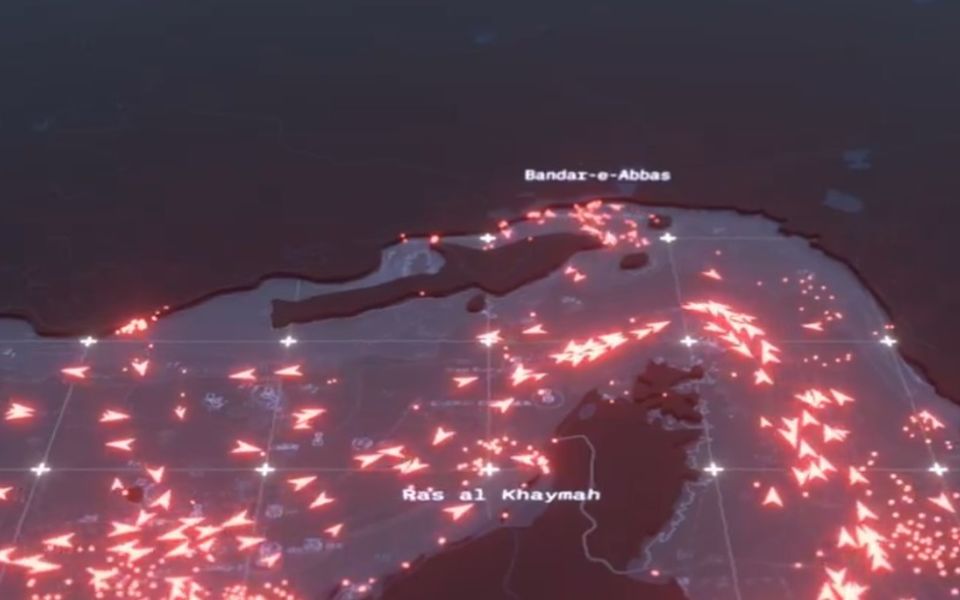
Bulgarian Foreign Minister Nadezhda Neinski announced that her country will not participate in any military operations aimed at restoring freedom of navigation in the Hormuz Strait, during a video conference with British Foreign Secretary Yvette Cooper. These remarks come at a time when the region is witnessing an escalation in military tensions, raising international concerns about the security of navigation in one of the world's most critical maritime corridors.
In contrast, Dutch Foreign Minister Tom Berendsen confirmed his country's readiness to provide military contributions to these operations, emphasizing the importance of safe navigation in the Hormuz Strait. He stated that the Netherlands would not remain idle while other countries address this vital issue.
Details of the Event
Neinski's statements come at a sensitive time, as the region has seen a significant military escalation following attacks by the United States and Israel on targets in Iran, including the capital Tehran. These attacks resulted in substantial damage and civilian casualties, prompting Iran to retaliate by targeting Israeli and other American military sites in several Middle Eastern countries, such as Bahrain, Qatar, the UAE, and Saudi Arabia.
Concerns are growing that these events could lead to a larger escalation in the conflict, which may impact navigation in the Hormuz Strait, a vital artery for oil and natural gas trade. This tension has led to rising energy prices in global markets, causing anxiety among oil-importing nations.
Background & Context
The Hormuz Strait is one of the most important maritime passages in the world, through which approximately 20% of the world's total oil passes. Historically, the strait has witnessed numerous military conflicts, significantly impacting the global economy. In recent years, tensions between Iran and the United States have intensified, increasing concerns about navigation security in the region.
Last February, the United States and Israel launched attacks on Iranian targets, leading to a significant escalation in tensions. Iran responded to these attacks with military operations against American and Israeli targets, complicating the security situation in the region.
Impact & Consequences
Bulgaria's decision not to participate in military operations reflects a cautious European approach to the escalation in the region. While some European countries, such as the Netherlands, seek to play an active role in ensuring freedom of navigation, Bulgaria prefers to avoid any military intervention that could complicate the situation further.
This divergence in positions reflects divisions within the European Union on how to address tensions in the Middle East. While some countries aim to enhance security, others prefer to avoid involvement in conflicts that could lead to severe consequences.
Regional Significance
Events in the Hormuz Strait directly affect Arab countries, as many of these nations rely on oil exported through this passage. Any military escalation could lead to rising oil prices, negatively impacting Arab economies, particularly those heavily dependent on oil revenues.
Additionally, tensions in the region could lead to an influx of refugees and increased instability, placing additional pressures on neighboring Arab countries. Therefore, maintaining peace and stability in the Hormuz Strait is vital for the interests of Arab nations.