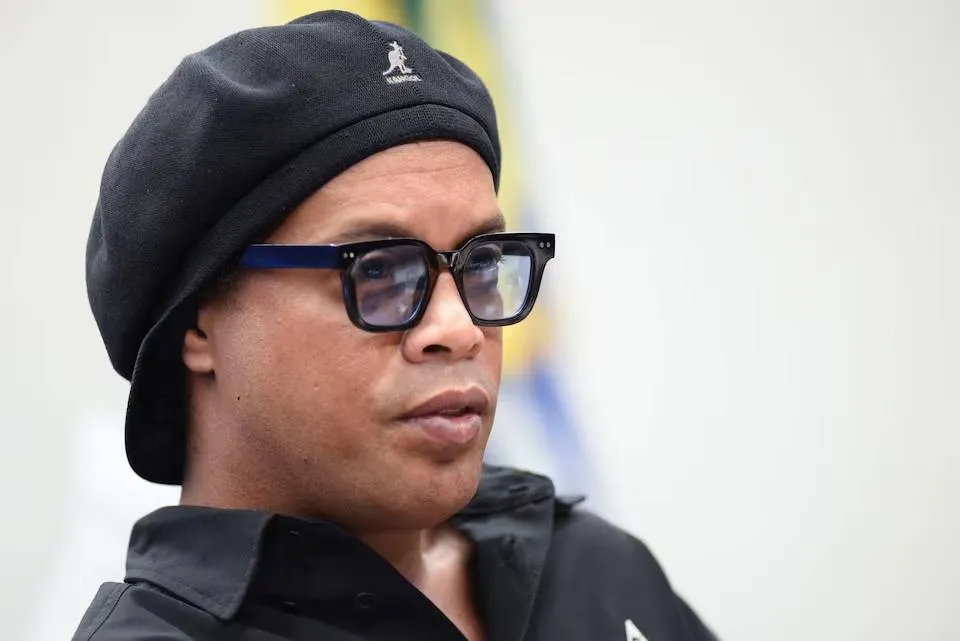
A businesswoman accused of supplying former Brazilian football star Ronaldinho with a forged passport that resulted in his arrest in Paraguay in 2020 has surrendered to authorities on Thursday, according to Paraguayan police.
The 2005 Ballon d'Or winner was imprisoned for nearly a month and then placed under house arrest for about five months in Asunción after entering Paraguay with a forged passport alongside his brother Roberto in March 2020.
Details of the Incident
Dalia Lopez (55 years old), who had been wanted since that time, is suspected of having provided the documents and organized the trip, which was intended to promote a book. Upon his arrival in the country, the former player was arrested for presenting a forged Paraguayan passport and identity card.
Brazilian authorities had revoked his Brazilian passport in 2018 following his conviction and a fine of $2.5 million for illegally constructing a dock in a protected area. In her statements to the press, Dalia Lopez explained that she surrendered because she felt her physical safety was threatened.
Background & Context
The details of the case date back to March 2020, when Ronaldinho and his brother entered Paraguay with forged passports, leading to their arrest. This incident caused a significant media uproar, especially since Ronaldinho is considered one of the most prominent football stars in the world, having achieved numerous accolades during his sports career.
After their arrest, the brothers were released after paying a bail of $1.6 million, during which they were placed under house arrest in a luxury hotel in the Paraguayan capital. Approximately 20 people were arrested in connection with this case, most of whom were employees of Paraguayan immigration services and police officers.
Impact & Consequences
This case illustrates the complexities of legal matters involving public figures, as Ronaldinho, despite his fame, was not immune to the law. Furthermore, this incident may affect the reputation of other players and highlights the importance of verifying legal documents before traveling.
Additionally, the case sheds light on issues of corruption and forgery in certain countries, necessitating increased scrutiny over the issuance of official documents.
Regional Significance
This case serves as an example of how authorities handle forgery and corruption issues, which may have implications for Arab countries facing similar problems. Strengthening transparency and legal oversight can contribute to improving legal conditions in the region.
In conclusion, the Ronaldinho case stands as a testament that fame does not protect individuals from legal accountability, and everyone must bear responsibility for their actions.