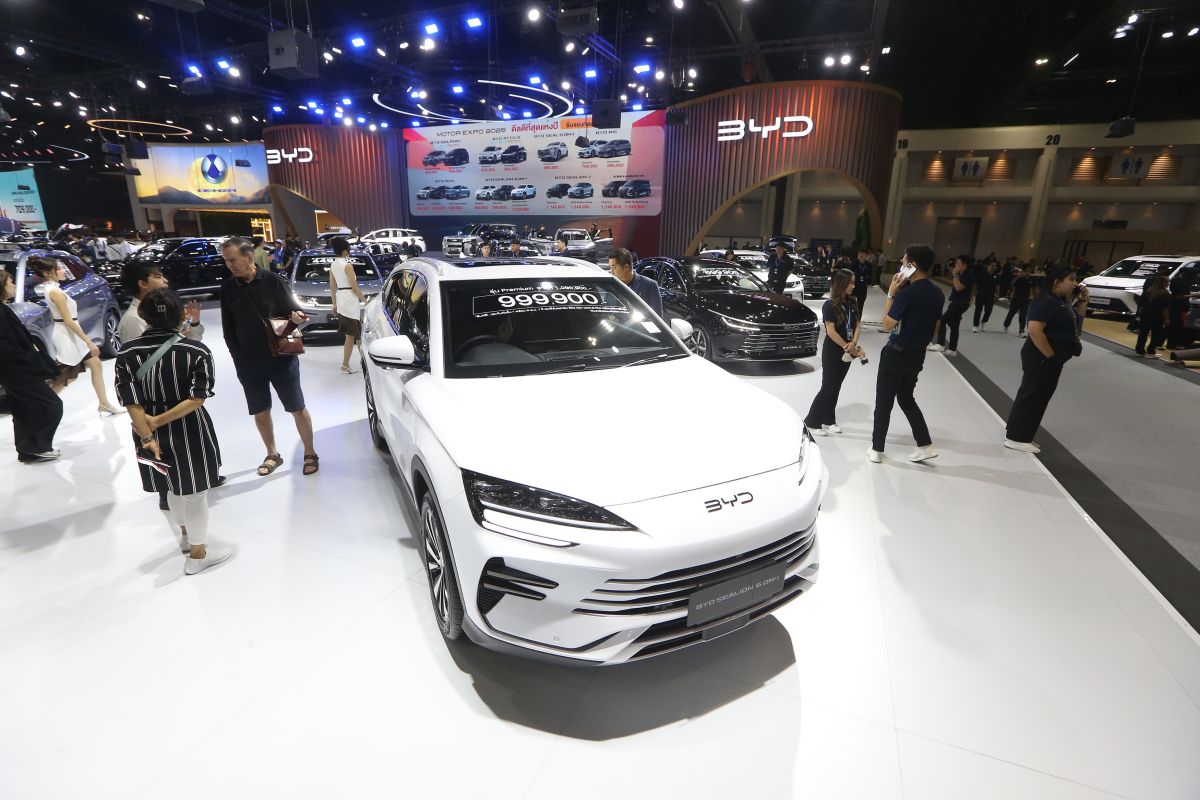
Amid the rising fuel prices, Chinese company BYD, a leader in the electric vehicle industry, is striving to enhance its presence in global markets through technological innovation and fruitful collaboration. The company reported a significant increase in demand for its new energy vehicles, reflecting the growing consumer preference for electric cars.
In Thailand, BYD has received substantial support from the government, with the new Thai Prime Minister, Anutin Charnvirakul, seen driving a BYD electric vehicle and visiting the company’s booth at the Bangkok International Motor Show. The company confirmed that its electric vehicle sales in Thailand have experienced strong growth, with a continuous increase in demand attributed to government policies supporting the transition to electric vehicles.
Event Details
Founded in 1995, BYD began manufacturing electric vehicles in recent years to meet the increasing demand for sustainable transportation. The company entered the Thai market in 2022, transitioning from exporting products to establishing a fully local production system. Its factory in Rayong, considered the first passenger car manufacturing plant outside China, has an annual production capacity of 150,000 units, with over 90% of the workforce being local.
BYD expects its global sales to exceed 1.049 million units by 2025, representing a 145% increase compared to the previous year. Sales in the UK surpassed 50,000 units, marking a growth of 485%, while both Germany, Spain, and Italy recorded annual sales exceeding 20,000 units. Australia also performed strongly, with over 50,000 units sold, placing BYD among the top 10 brands in the market.
Background & Context
These developments come at a time when the world is witnessing a significant shift towards electric vehicles, with increasing pressure on traditional automakers to adopt innovation and sustainability. With rising fuel prices, consumers are more inclined to choose electric vehicles as an alternative option. Geopolitical crises have contributed to increased instability in energy markets, prompting more people to consider sustainable transportation options.
BYD is one of the companies leading this transformation, focusing on developing new technologies and improving production efficiency. It also has an integrated supply chain that includes batteries, components, and vehicle assembly, enhancing its competitive edge in the market.
Impact & Consequences
BYD anticipates that its strategies will strengthen its global market presence, as it aims to offer high-quality products with innovative designs. The company asserts that its production aligns with market demand, and that prices abroad are typically higher than local prices, dismissing allegations related to dumping practices.
The increasing demand for electric vehicles in countries like Thailand and Australia indicates a genuine shift in consumer preferences, reflecting the success of BYD's strategies in meeting market needs. This transformation is part of the global trend towards sustainability, as countries seek to reduce carbon emissions and achieve sustainable development goals.
Regional Significance
In light of the global trend towards electric vehicles, BYD's success may have positive implications for the Arab market. With the growing interest in clean technology, Arab countries can benefit from the successful experiences of companies like BYD in developing their own electric vehicle markets.
The shift towards electric vehicles may also contribute to reducing dependence on fossil fuels, aligning with the environmental goals of Arab nations. Therefore, enhancing collaboration with leading companies in this field could open new avenues for investment and sustainable development in the region.