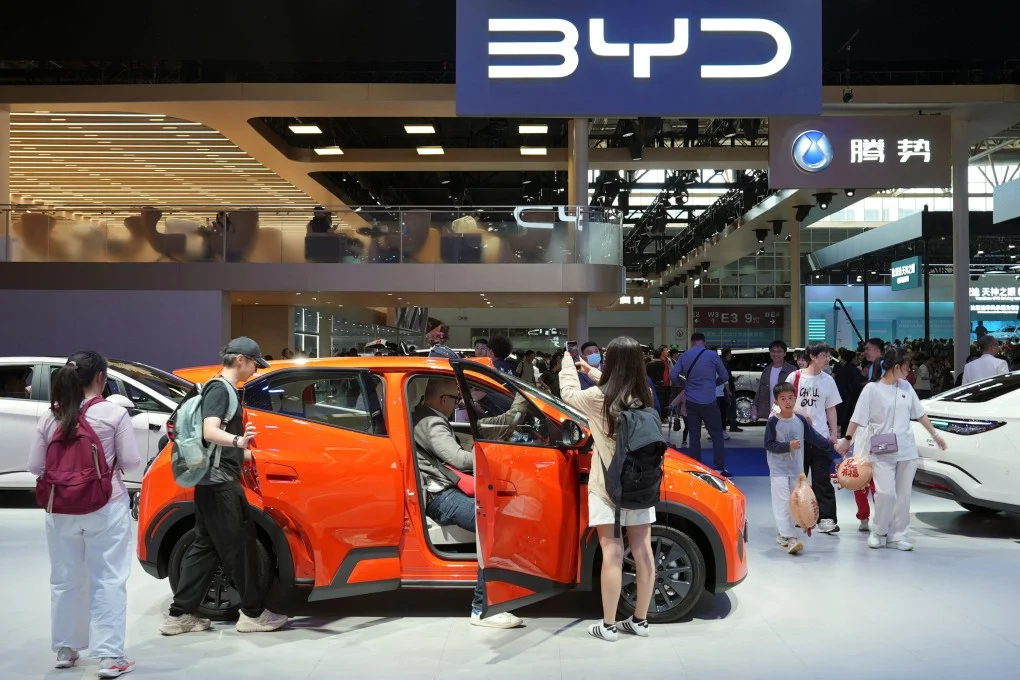
Chinese electric vehicle manufacturer BYD has reported a substantial decline in its profits during the first quarter of 2023, with net earnings amounting to approximately 4.09 billion yuan (around 590 million USD), representing a 55% decrease compared to the same period last year. Despite this downturn, the profits aligned with market expectations, indicating the company's ability to adapt to current challenges.
Additionally, the company's revenues reached 150.2 billion yuan, marking an 11.8% decline from the previous year. This drop is attributed to weak demand in the domestic market, which is considered the largest electric vehicle market in the world. Nevertheless, BYD managed to offset some of this decline by increasing its exports to international markets.
Financial Details and Market Performance
BYD is recognized as one of the largest electric vehicle manufacturers globally and has experienced significant growth in recent years. However, the challenges it faces in the domestic market may impact its future strategies. The profit decline suggests that the company needs to reassess its marketing and production strategies to adapt to the changing market conditions.
Data indicates that BYD has successfully increased its exports, which has helped mitigate the impact of declining domestic demand. Analysts have noted that this trend may continue in the future as the company seeks to expand its presence in international markets.
Background & Context
Founded in 1995, BYD started as a producer of mobile phone batteries before expanding into the electric vehicle sector. The company has become a symbol of innovation in this field, focusing on developing new technologies to enhance energy efficiency and reduce emissions. However, global economic challenges and the impacts of the COVID-19 pandemic have significantly affected demand in the market.
In recent years, China has seen a substantial increase in the number of electric vehicles, making it a highly competitive market. With new companies entering the market, BYD faces intense competition from firms like Tesla and NIO, increasing the pressure on it to maintain its market share.
Impact & Consequences
The decline in BYD's profits serves as an indicator of the challenges faced by electric vehicle manufacturers in China. Weak domestic demand may lead to reduced investments in research and development, potentially affecting innovation in this sector. Furthermore, the increase in exports may not be sufficient to compensate for the drop in domestic revenues.
These developments highlight the importance of international expansion strategies, as they can help companies mitigate the effects of local challenges. However, expanding into foreign markets requires significant investments and careful planning.
Regional Significance
The decline in BYD's profits reflects the broader challenges facing the electric vehicle industry in China, which has implications for future corporate strategies. As the market evolves, companies must navigate competitive pressures while continuing to innovate and adapt to changing consumer preferences.
In conclusion, BYD's current situation underscores the need for a strategic reevaluation to ensure sustainable growth in an increasingly competitive landscape.