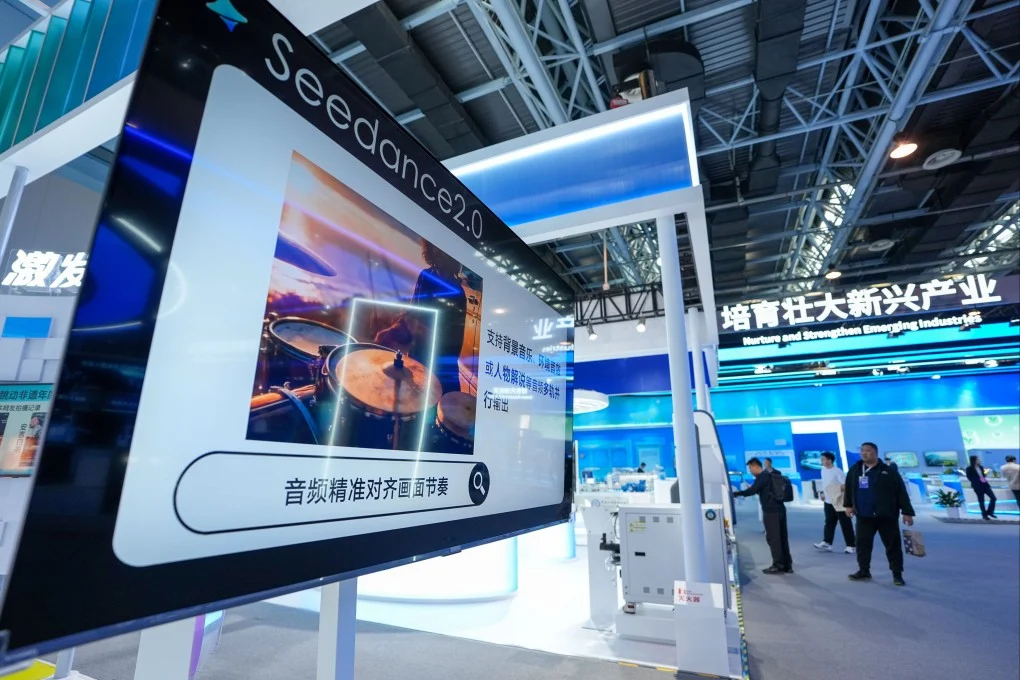
ByteDance, the owner of TikTok, has announced enhancements to its new model Seedance 2.0 with advanced measures for intellectual property protection and watermarks, ahead of the long-awaited global launch. This announcement comes amid intense scrutiny from Hollywood studios, which accuse the company of stealing intellectual property rights after numerous videos generated by Seedance featuring famous Hollywood characters and actors circulated widely.
In an official statement, ByteDance confirmed that these measures aim to enhance global security and provide better protection for the content created by its new model. This move comes at a sensitive time, as concerns about intellectual property rights are on the rise in the digital technology era.
Event Details
Seedance 2.0 is considered one of the latest innovations in digital content creation, utilizing advanced technologies to generate new videos based on available data and information. However, the use of this technology has sparked widespread controversy, especially after videos featuring famous personalities were circulated without permission from the rights holders.
Last February, videos created by Seedance went viral, leading to escalating criticism from Hollywood studios, which viewed these practices as a threat to their rights. In this context, ByteDance has emphasized that it takes these concerns seriously and is working on developing a system to protect intellectual property to ensure that the rights of others are not violated.
Background & Context
ByteDance was founded in 2012 and has since become one of the largest technology companies in the world, thanks to the widespread popularity of the TikTok application. However, the company faces ongoing challenges related to privacy and intellectual property rights, particularly amid fierce competition in the technology market.
Historically, ByteDance has faced numerous legal issues due to allegations of intellectual property rights violations. With the increasing use of artificial intelligence in content creation, these issues have become more complex, requiring companies to take serious steps to protect intellectual property rights.
Impact & Consequences
This move by ByteDance could significantly impact the future of the digital content industry. As the use of artificial intelligence technologies increases, other companies may need to take similar actions to protect intellectual property rights. Additionally, these measures could help build trust between companies and users, thereby enhancing the sustainability of innovation in this field.
Furthermore, these developments may lead to changes in how the digital content industry is regulated, as new laws may require greater transparency and accountability from companies using artificial intelligence technologies.
Regional Significance
In the Arab region, this development could have significant implications for the digital content industry. With the increasing use of social media platforms and video applications, Arab companies may face similar challenges related to intellectual property rights. Therefore, it is crucial for companies in the region to adopt effective strategies to protect their rights, especially amid growing competition.
In conclusion, the enhancement of ByteDance's Seedance 2.0 model represents an important step towards improving intellectual property protection in the digital technology era. However, the biggest challenge remains how to balance innovation with rights protection, which requires collaboration among companies, governments, and civil society.