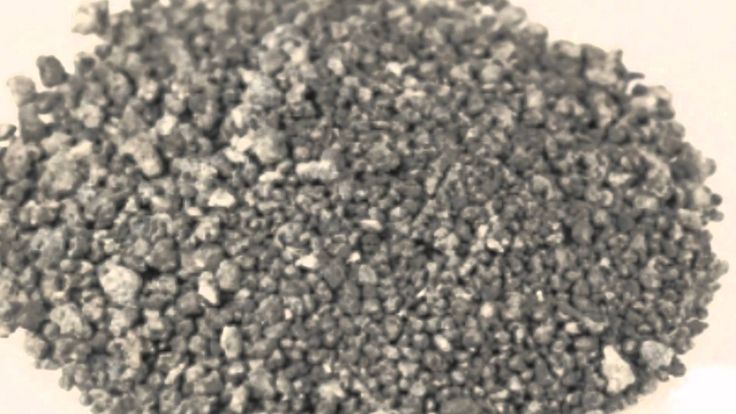
Cadmium is a heavy metal that poses a growing health threat, as it is found in many foods considered part of the daily diet. Reports indicate that children and women are most susceptible to its harmful effects, necessitating special attention from health authorities.
Warnings about the risks associated with cadmium are increasing, as it is considered a carcinogenic contaminant that can lead to serious health issues. Cadmium is used in various industries, including batteries, which increases the likelihood of its leakage into the environment.
Details of the Issue
Studies show that cadmium can be present in foods such as grains and vegetables, making exposure common. This metal is classified as toxic and can lead to health problems such as kidney diseases and cancer. Research has shown that children, due to their small size and rapid growth, are more vulnerable to the negative effects of cadmium.
Reports of cadmium presence in foods are on the rise, raising concerns among scientists and researchers. Studies conducted in several countries have found elevated levels of cadmium in certain agricultural crops, prompting questions about the safety of food available to the public.
Background & Context
Historically, cadmium has been used in many industrial applications, leading to environmental contamination. In recent years, there has been a growing awareness of the health risks associated with this metal. Many health organizations have issued warnings about cadmium exposure, indicating the need for measures to reduce its use in food products.
Countries that heavily rely on agriculture, such as some Arab nations, are particularly vulnerable to cadmium risks. Contaminated soil can affect crops, leading to cadmium entering the food chain.
Impact & Consequences
Studies indicate that chronic exposure to cadmium can lead to serious health issues, including cancer and kidney diseases. Additionally, children, who are still in their growth phase, may face greater risks, necessitating preventive measures. These health risks require immediate action from governments and health authorities to limit cadmium exposure in food.
Furthermore, increased awareness of cadmium risks may lead to changes in consumer behavior, as some may prefer organic products or those showing low levels of cadmium. This could impact the agricultural market and bring about changes in food production methods.
Regional Significance
In the Arab region, cadmium is a particular concern, as many countries depend on agriculture as a primary food source. High levels of cadmium in the soil can deteriorate crop quality, affecting food security. The growing awareness of health risks may prompt governments to take stringent measures to regulate cadmium use in agriculture and industry.
In conclusion, the current situation requires a concerted effort among governments, health authorities, and farmers to mitigate cadmium risks. There should be clear strategies for awareness and education regarding the risks associated with this metal to ensure food safety and protect the health of future generations.