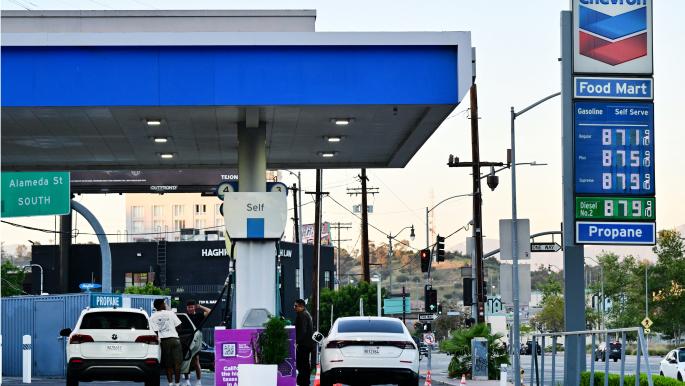
California, located on the west coast of the United States, is the most affected state by the ongoing tensions and wars in the Gulf region. The state imports about 75% of its crude oil needs from this area, making it vulnerable to price fluctuations and the effects of regional conflicts.
This percentage is notably high, as California's economy heavily relies on imported energy. With rising tensions in the Gulf, fears are growing about the impact on local oil prices, which could lead to increased living costs for residents.
Details of the Situation
California imports oil from several Gulf countries, including Saudi Arabia, Iraq, and Kuwait. These nations are among the largest oil suppliers to the United States, playing a crucial role in meeting American market demands. However, any military escalation or diplomatic tension in the region could negatively affect oil supplies.
In recent years, oil prices have experienced sharp fluctuations due to political events in the Gulf, impacting the American economy in general and California in particular. As conflicts continue, experts expect prices to remain high, increasing the financial burden on citizens and businesses.
Background & Context
Historically, the United States has relied heavily on imported oil, particularly from the Gulf region. With the discovery of new energy sources such as shale gas, the U.S. has begun to reduce its dependence on foreign oil. However, California still heavily relies on imported oil, making it susceptible to global fluctuations.
California is one of the largest energy markets in the United States, housing many major energy companies. Nevertheless, reliance on imported oil exposes it to external influences, necessitating new strategies to ensure supply stability.
Impact & Consequences
Tensions in the Gulf could lead to increased fuel prices in California, affecting transportation and goods costs. This situation may result in rising inflation, impacting citizens' purchasing power. Additionally, higher oil prices could significantly affect small and medium-sized enterprises that depend on fuel for their daily operations.
Moreover, any military escalation in the Gulf could lead to increased instability in the global market, potentially affecting the American economy as a whole. This requires policymakers in California to consider new strategies to reduce dependence on imported oil.
Regional Significance
The Gulf region is one of the most important oil-producing areas in the world, and any tension there impacts global prices. Therefore, the situation in the Gulf directly affects the economies of other Arab countries that rely on oil exports. While any price increase may lead to higher revenues for producing countries, it simultaneously increases the burden on importing nations.
In conclusion, it is clear that tensions in the Gulf have profound effects on California, necessitating proactive measures from officials to ensure the stability of oil supplies and prices.