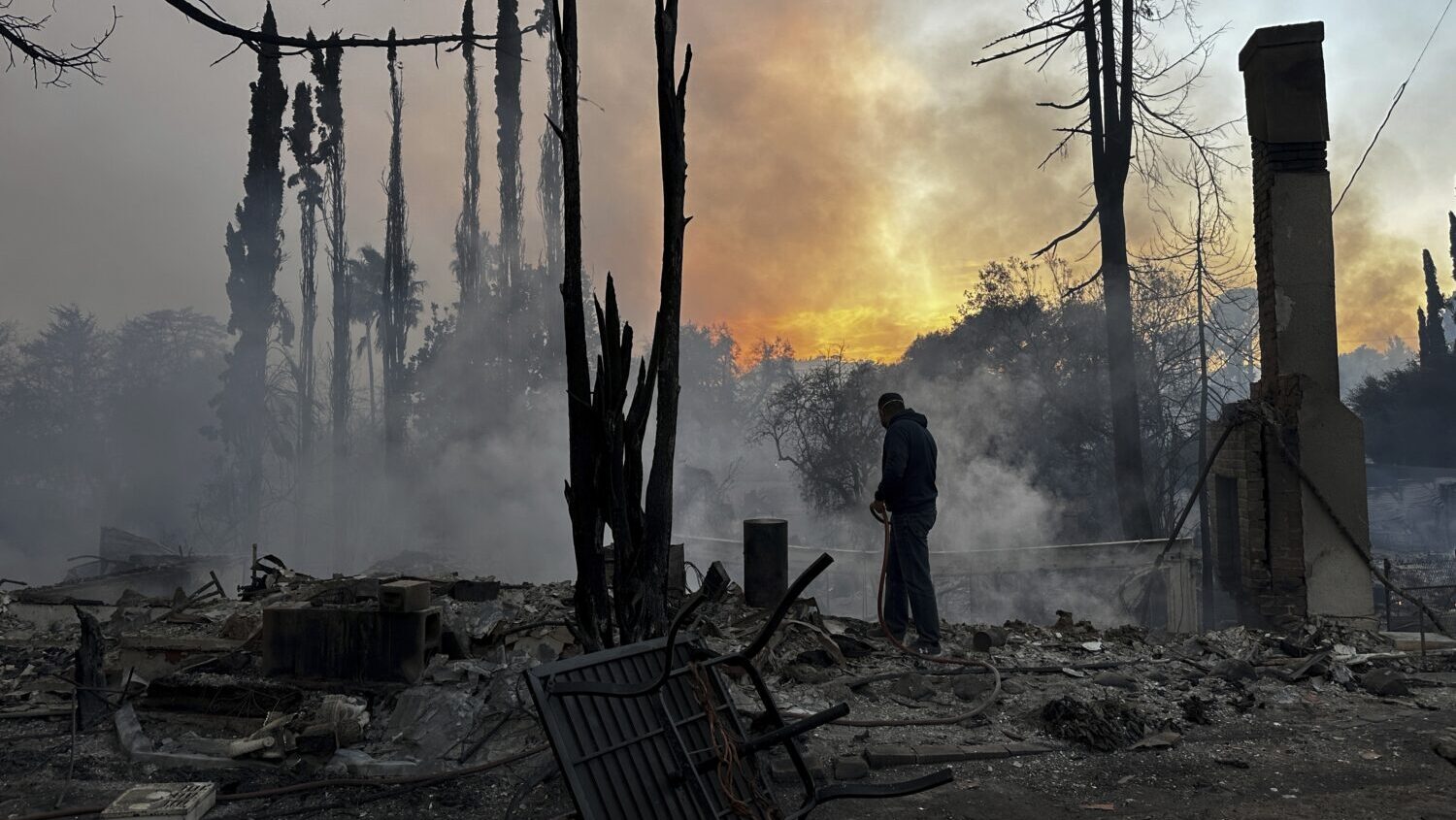
Wildfires are igniting again in California, causing evacuations and property destruction. The fires, which have broken out in multiple areas, threaten wildlife and the surrounding environment, raising significant concerns about their impact on local communities.
Reports indicate that the fires have ignited in areas such as Northern California, where firefighting teams have been dispatched to combat the rapidly spreading flames. Local authorities have declared a state of emergency in some areas, allowing them to access the necessary resources to fight the fires.
Event Details
Wildfires in California are a recurring phenomenon, with flames typically igniting in the summer due to rising temperatures and drought conditions. This year, the weather conditions have been harsher, contributing to the faster spread of the fires. According to reports from the Forestry Department, over 500 fires have been recorded since the start of the fire season, raising concerns about the firefighting teams' ability to control the situation.
Firefighting efforts include the use of helicopters and air tankers to drop water on the burning areas. However, strong winds complicate efforts to control the flames, leading to an expansion of the damage. Many residents in the affected areas have been evacuated, and shelters have been opened to provide assistance.
Background & Context
Historically, California has witnessed devastating wildfires in recent years, with the frequency of these fires increasing significantly due to climate change. In 2020, the largest fire in the state's history was recorded, resulting in the destruction of thousands of homes and the evacuation of thousands of residents. These events have sparked discussions on how to address climate change and its impact on the environment.
Wildfires in California are a direct result of climate change, as rising temperatures and ongoing drought conditions increase the risk of fires. Local governments are working on developing new strategies to address this phenomenon, including improving forest management and raising public awareness about fire prevention.
Impact & Consequences
Wildfires significantly impact the environment and the local economy. In addition to physical damage, fires lead to deteriorating air quality, affecting residents' health. The loss of forests also impacts wildlife, as many species lose their natural habitats.
Economically, the fires incur massive costs for the government and local businesses. Firefighting efforts require substantial resources, affecting local budgets. Additionally, the loss of tourism in affected areas negatively impacts the local economy, as many residents rely on tourism as a primary source of income.
Regional Significance
While the wildfires in California may seem distant from the Arab world, the effects of climate change extend globally. Many Arab countries are also experiencing climate changes that lead to rising temperatures and drought, increasing the risk of fires in arid regions.
These events serve as a reminder of the importance of international cooperation to combat climate change, as it requires joint efforts to reduce carbon emissions and improve natural resource management strategies. Arab countries also need to enhance their strategies for adapting to climate changes to ensure the protection of the environment and wildlife.
In conclusion, wildfires in California remain an urgent issue that requires global attention. It is crucial to learn from these experiences and apply the lessons learned in our regions to ensure a safer and more sustainable future.