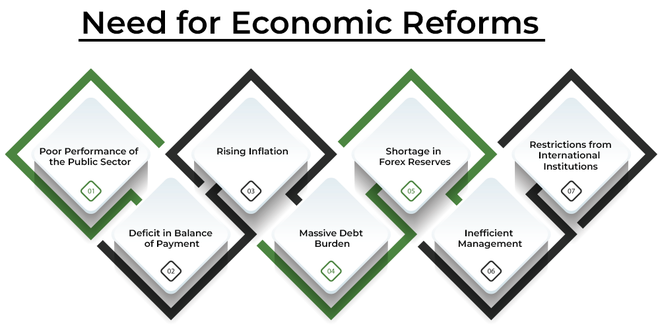
The German Industry Association has called on the German government to accelerate the pace of implementing fundamental reforms. This request comes amid the difficult economic conditions the country is experiencing, as the association seeks to enhance the competitiveness of German industry in the global market.
German industry is considered one of the cornerstones of the national economy, significantly contributing to the gross domestic product and providing millions of jobs. However, the challenges facing this industry, including rising energy costs and environmental pressures, require a swift and effective response from the government.
Details of the Call
In an official statement, the German Industry Association emphasized the necessity of taking urgent steps to implement the reforms previously agreed upon. It pointed out that delays in executing these reforms could exacerbate economic crises, negatively impacting growth and investment in the industrial sector.
The association also called for improving the business environment by reducing bureaucracy and streamlining administrative procedures, which would help companies adapt to rapid market changes. It stressed the importance of investing in innovation and technology to boost competitiveness.
Background & Context
Germany, like other European countries, faces multiple economic challenges due to global crises, including the repercussions of the COVID-19 pandemic and the Ukrainian crisis. These crises have led to increased production costs and rising raw material prices, affecting companies' ability to compete.
Historically, German industry has relied on innovation and advanced technology, but in recent years, some companies have begun to struggle with adapting to rapid market changes. Therefore, the required reforms aim to revitalize this vital sector.
Impact & Consequences
If the necessary reforms are not implemented swiftly, Germany may face a decline in its global competitiveness. This decline could lead to job losses and increased unemployment rates, which would affect social and economic stability in the country.
Moreover, delays in reforms could negatively impact foreign investments, as companies may seek more favorable investment environments. Thus, the German government faces a significant challenge in maintaining the country's status as an industrial powerhouse.
Regional Significance
Germany is an important trading partner for many Arab countries, as these nations import numerous industrial and technological products. Any decline in German industry could affect trade relations between Germany and Arab countries, potentially leading to a reduction in trade volume.
Additionally, German investments in the Arab region may be adversely affected, impacting development and infrastructure projects in Arab countries. Therefore, the success of reforms in Germany will have wide-ranging effects on the Arab economy.
In conclusion, the current situation in Germany requires a swift and effective response from the government to ensure the stability of the industry and enhance competitiveness. Implementing fundamental reforms is not just an option but an urgent necessity to maintain economic growth and job sustainability.