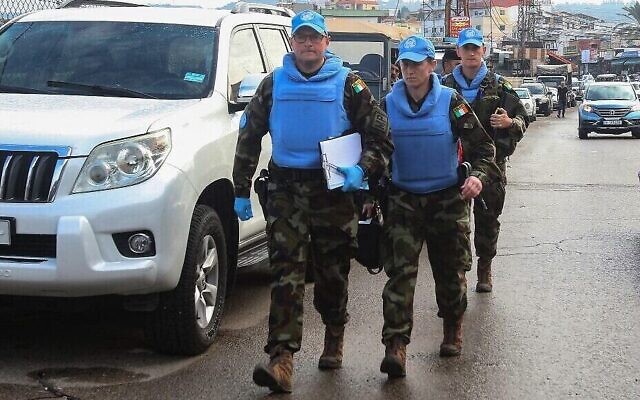
The Indonesian organization MER-C, in collaboration with the Muslim Lawyers Team (TPM), has called on the Indonesian government to take decisive diplomatic steps following the death of three soldiers from the Indonesian National Armed Forces (TNI) while serving in United Nations forces in Lebanon. The Israeli attack that resulted in the deaths of these soldiers occurred in late March, prompting strong reactions from human rights and political organizations.
During a press conference held in Jakarta, Achmad Michdan, a representative of TPM, emphasized the necessity for the Indonesian government to take tangible actions, including referring the case to the International Criminal Court (ICC) and the International Court of Justice (ICJ). They also demanded an independent investigation into the incident and accountability for those responsible for the attack.
Details of the Incident
The soldiers who lost their lives include Praka Farizal Rhomadhon, who was killed on March 29 due to artillery shelling, Captain Inf Zulmi Aditya Iskandar, who was killed on March 30 while leading a protection mission, and Sertu Muhammad Nur Ichwan, who died in a vehicle explosion. These incidents highlight the dangers faced by international forces in conflict zones.
These calls come at a sensitive time as tensions in the region are escalating, and the attack on UN forces is considered a blatant violation of international laws. Speakers at the conference pointed out the importance of protecting soldiers operating in conflict areas, urging the Indonesian government to review existing protection protocols.
Background & Context
Since 1978, Indonesia has contributed troops to the United Nations Interim Force in Lebanon (UNIFIL), which aims to maintain peace and stability in the region. This mission has faced numerous challenges, including repeated attacks on its forces. The recent attack is among the deadliest, underscoring the risks faced by peacekeeping troops.
Historically, Indonesia has been a supporter of the Palestinian cause, making this attack particularly sensitive for the country. The Indonesian government has previously expressed its support for Palestinian rights, reflecting its commitment to humanitarian issues in the region.
Impact & Consequences
These incidents require a strong international response, as TPM and MER-C have called on the international community to take action against the crimes committed against peacekeeping forces. Failure to hold perpetrators accountable may lead to further violations and escalate tensions in the region.
Additionally, these incidents may affect relations between Indonesia and Israel, as the Indonesian government is expected to take diplomatic steps to strengthen its position on the international stage. Referring the case to international courts could put Israel under pressure, potentially leading to changes in its policies towards Lebanon and the Palestinians.
Regional Significance
These events are part of the larger picture of the Israeli-Palestinian conflict, as Israel continues to carry out military operations in Palestinian territories and Lebanon. The deaths of Indonesian soldiers highlight the dangers faced by international peacekeeping forces and reflect the urgent need for more effective protection mechanisms.
Ultimately, the current situation requires a concerted international effort to ensure that perpetrators of crimes committed in conflict areas do not escape accountability. Strengthening the protection of peacekeeping forces is vital for maintaining stability in the region.