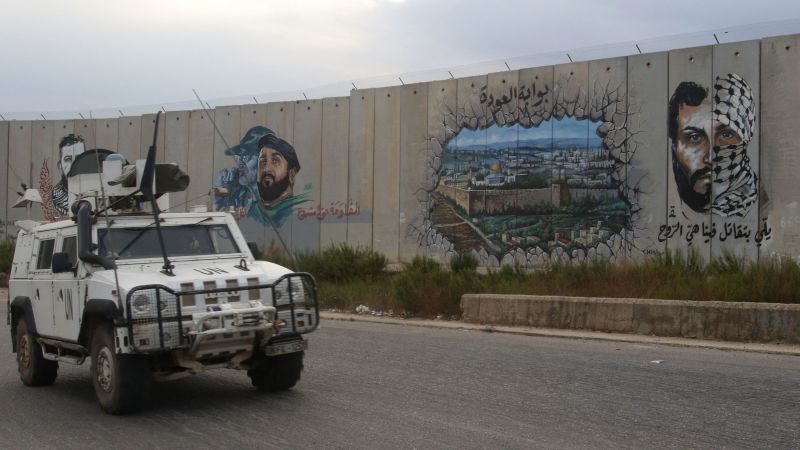
Amid rising tensions along the Lebanese-Israeli border, the UN Special Coordinator for Lebanon, Janine Hennis-Plasschaert, has urged for an immediate ceasefire between Hezbollah and Israel. She emphasized that the continuation of the conflict could result in a permanent deterioration of Lebanon's stability and the well-being of its people.
In her statement, Hennis-Plasschaert confirmed that three members of the UN peacekeeping forces were killed in southern Lebanon over the past 24 hours, in addition to the deaths of nine Lebanese paramedics in a single day last weekend. She noted that the death toll from the escalating clashes between Hezbollah and Israel has risen to 1,247, including medical staff, journalists, civilians, and Lebanese soldiers not involved in the fighting.
Details of the Recent Clashes
These calls for a ceasefire come at a time when Lebanon is witnessing an increase in cross-border clashes, with Hezbollah launching rockets towards Israel on March 2, marking the first such incident since the ceasefire came into effect on November 27, 2024. This escalation has led to an increase in Israeli airstrikes on southern and eastern Lebanese regions.
Hennis-Plasschaert described Lebanon as having become a battleground, where the humanitarian situation is rapidly deteriorating. The ongoing conflict has exacerbated the plight of the Lebanese people, many of whom are already struggling with the effects of previous conflicts and economic instability.
Background & Context
The tensions between Hezbollah and Israel have deep historical roots, stemming from a series of conflicts and political disputes that have plagued the region for decades. The most recent flare-up is part of a broader pattern of violence that has seen various factions engage in hostilities, often with devastating consequences for civilians caught in the crossfire.
Moreover, the humanitarian crisis in Lebanon has reached alarming levels, with over 1.2 million refugees currently residing in the country. The influx of refugees, coupled with the ongoing violence, has strained Lebanon's already limited resources, leading to shortages of essential supplies such as food, water, and healthcare.
Impact & Consequences
The ongoing conflict poses significant risks not only to Lebanon but also to the broader Middle Eastern region. The rising death toll and the increasing number of casualties among civilians and peacekeepers highlight the urgent need for international intervention to prevent further escalation.
Additionally, the humanitarian implications are dire, as the Lebanese population faces worsening living conditions. The conflict disrupts access to basic services, and many families are left without adequate support, leading to increased suffering and displacement.
Regional Significance
The situation in Lebanon is critical, as it reflects broader geopolitical tensions in the Middle East. The international community's response to the conflict will be crucial in determining the future stability of the region. Calls for a ceasefire and peace negotiations are essential to mitigate the humanitarian crisis and foster a sustainable resolution to the ongoing conflict.
As the situation unfolds, the need for diplomatic efforts to build trust between the involved parties becomes increasingly important. Without concerted action, the cycle of violence may continue, further destabilizing Lebanon and its neighbors.