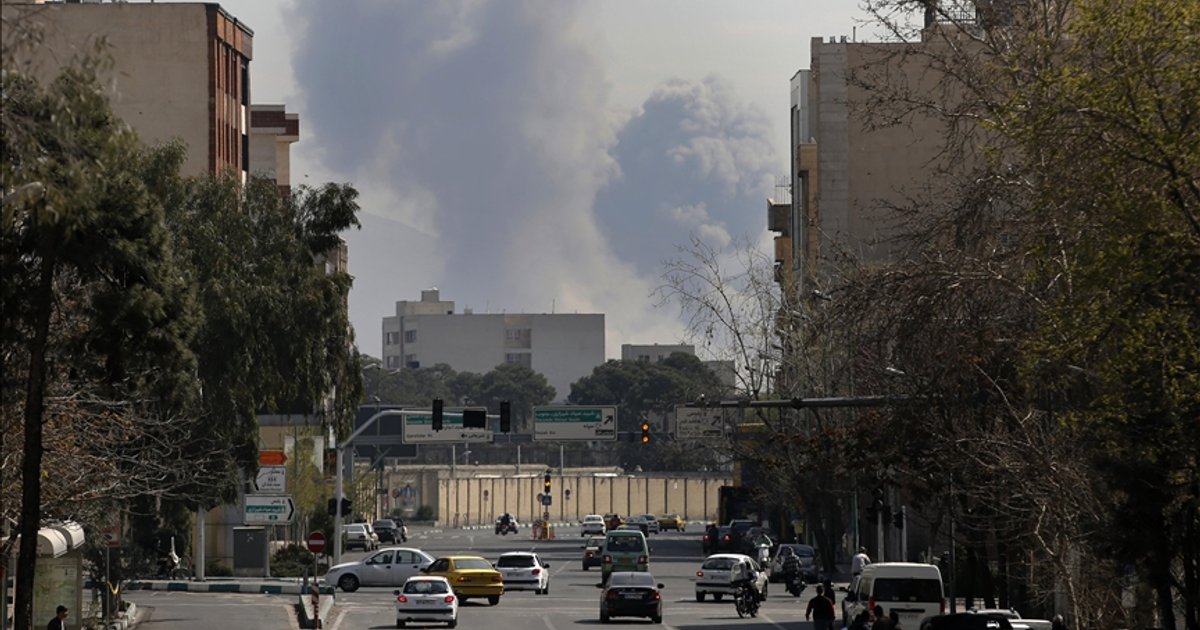
The World Health Organization (WHO) has called on all warring parties in the Middle East to halt combat operations, warning that the health situation in the region is deteriorating at an alarming rate. The organization reported that access to healthcare has become nearly impossible, endangering the lives of millions of civilians.
In an official statement, the WHO emphasized that the health crisis is unfolding "in real time," noting that many health institutions are suffering from severe shortages of resources and the capacity to provide essential services. It added that the continuation of fighting will exacerbate health conditions, potentially leading to the spread of diseases and epidemics.
Details of the Situation
Reports indicate that many hospitals in conflict zones have either closed their doors or are operating at partial capacity due to ongoing bombardments and a lack of medical supplies. The organization expressed concern that these conditions could lead to outbreaks of infectious diseases, especially with the increasing number of displaced persons lacking access to basic healthcare.
The WHO also confirmed the urgent need for humanitarian assistance to affected areas, stressing the importance of providing necessary medications and vaccines to protect populations from diseases. It called on the international community to take immediate action to provide support to those affected.
Background & Context
Historically, the Middle East has witnessed numerous armed conflicts that have significantly impacted the health system. Since the beginning of the millennium, the intensity of conflicts in countries such as Syria, Iraq, and Yemen has escalated, leading to the destruction of health infrastructure. Reports have shown that over 50% of hospitals in these countries have suffered severe damage or have been closed due to conflict.
In recent years, humanitarian crises in the region have increased dramatically, with millions suffering from food, water, and healthcare shortages. Studies have shown that children and women are the most affected by these crises, necessitating urgent action from the international community.
Impact & Consequences
The WHO asserts that the continuation of conflict in the Middle East will worsen health crises, potentially leading to increased mortality and injury rates. Furthermore, the collapse of the health system will affect countries' ability to respond to epidemics, raising the risk of infectious disease spread.
Moreover, deteriorating health conditions may lead to a larger influx of refugees, placing additional pressure on neighboring countries. This, in turn, could heighten political and social tensions in the region, necessitating a coordinated response from the international community.
Regional Significance
The health situation in the Middle East is a concern for all Arab countries, as health crises do not recognize borders. The outbreak of diseases in one country can affect neighboring nations, calling for regional cooperation to address these challenges.
Arab countries also need to strengthen their health capacities and prepare to face future crises. There must be clear strategies to deal with epidemics and provide basic healthcare to all citizens, especially in conflict areas.
In conclusion, the health situation in the Middle East requires an urgent response from all parties involved. The international community must collaborate to provide the necessary support to those affected and work towards ending conflicts that exacerbate humanitarian and health crises.