Palestinian President Mahmoud Abbas has called for a ceasefire in the occupied Palestinian territories, including the West Bank, Gaza Strip, and East Jerusalem. Abbas stated that "the ceasefire established between the United States and Iran must also include the Palestinian territories, which are continuously subjected to aggression by the occupying forces and settlers."
Abbas welcomed the ceasefire between the United States and Iran, considering it a "significant and positive step towards achieving stability in the region." He noted in a statement from the Palestinian presidency the importance of efforts to achieve a permanent cessation of hostilities in the area, appreciating the efforts made by Pakistan and all parties advocating for an end to the war.
Details of the Event
The Palestinian Ministry of Foreign Affairs and Expatriates welcomed the ceasefire between the United States and Iran, pointing out the impact of this war on security and peace in the Middle East. The ministry confirmed that the Israeli occupation authorities have exploited this war to enhance their aggressions against the Palestinian people and their rights.
Despite the ceasefire, Israeli attacks continued in the West Bank and Gaza Strip. A knowledgeable Palestinian source indicated that the Palestinian Authority hopes that the U.S. president will work towards a comprehensive resolution of the conflict in the region, rather than just a ceasefire in certain areas.
Background & Context
The Palestinian Authority has been severely affected by the war on Iran, as interest in the Palestinian issue has declined amid Israel's escalation against Palestinians. The Authority did not condemn the U.S. attacks on Iran but condemned the Iranian attacks on regional countries, in an attempt to position itself more within the Arab axis.
Statements welcoming the agreement have been issued by Palestinian officials, with the Ministry of Foreign Affairs emphasizing that this war has affected security and peace in the region, calling for the ceasefire to include the occupied Palestinian territories.
Impact & Consequences
Although the war has ceased, Israel has not eased its restrictions on the West Bank and Jerusalem. The Israeli army continued its incursions and raids, leading to the arrest of many Palestinians. The Palestine Center for Prisoner Studies reported that the number of detainees in the first quarter of 2026 reached 1,750 cases, including 54 women and 121 minors.
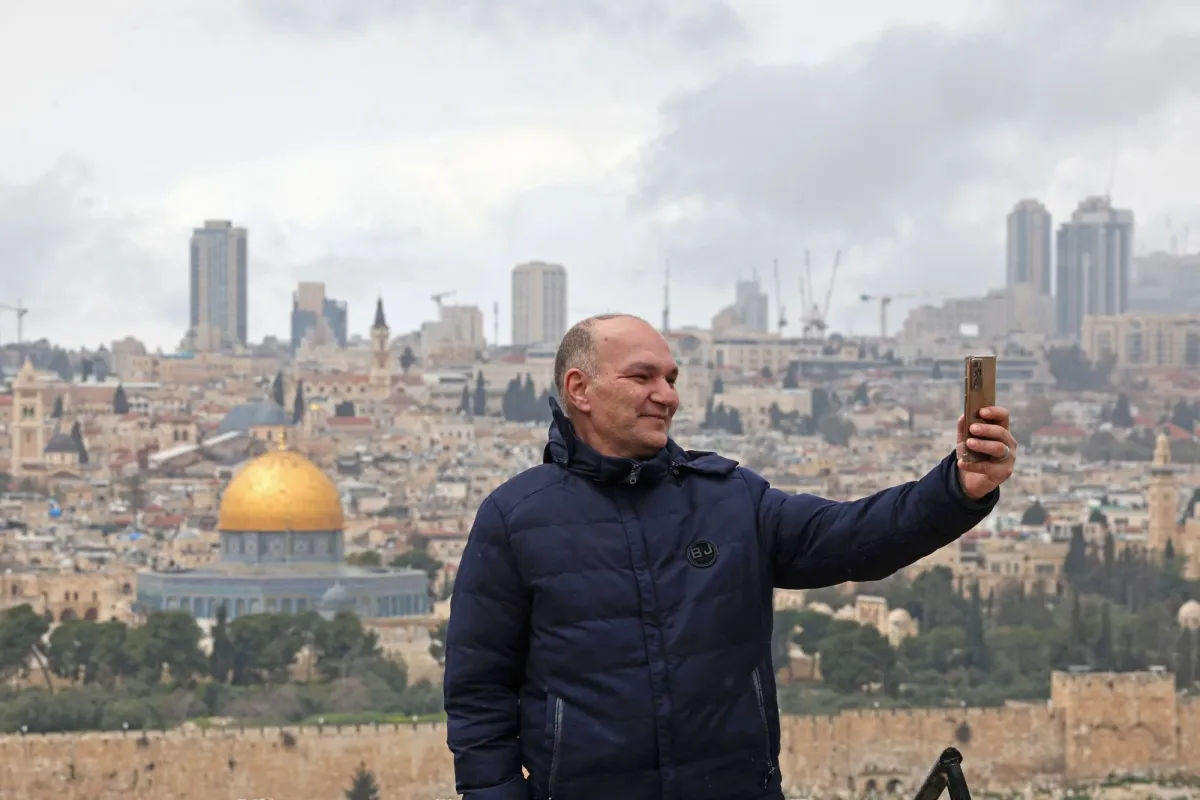
The closure of Al-Aqsa Mosque and the Church of the Holy Sepulchre has persisted for the fortieth consecutive day, raising fears among Palestinians that this situation may become permanent. A member of the Al-Aqsa Mosque Board of Trustees warned against attempts to temporally and spatially divide Al-Aqsa.
Regional Significance
Concerns are rising in the region over escalating tensions due to ongoing Israeli aggressions, with Hezbollah urging residents in Lebanon not to return to villages and towns until an official announcement of a ceasefire is made. The municipality of Kfar Rumman also warned against returning to the town to ensure citizens' safety.
Events in Lebanon are intertwined with developments in the Palestinian issue, as fears of a new Israeli escalation grow amid the ambiguity of the U.S. stance on the aggressions. With ongoing pressures on Palestinians, hope remains pinned on international peace efforts.