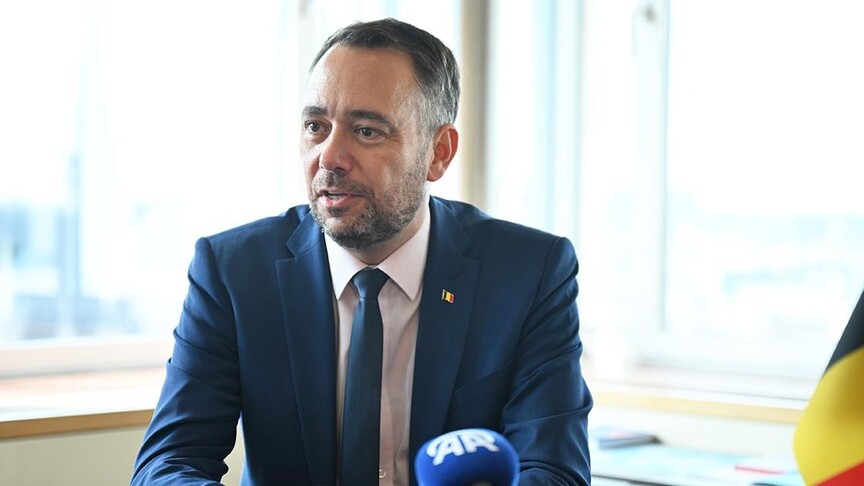
In a statement, Belgian Foreign Minister Maxim Prevo confirmed that the recent Israeli airstrikes targeting areas near the Belgian embassy in Lebanon reflect escalating tensions in the region. The minister, who was present at the incident site, expressed his concern regarding the safety of foreign diplomats in Lebanon.
Prevo called for the importance of including Lebanon in any ceasefire agreement between the United States, Israel, and Iran, as regional conflicts can significantly impact the situation in the country. These remarks come at a sensitive time, with increasing fears of escalating violence in the region.
Details of the Situation
The recent Israeli strikes are part of ongoing military operations targeting sites believed to be affiliated with Hezbollah in Lebanon, provoking widespread international reactions. Many countries have deemed the military escalation a threat to regional stability.
The Belgian minister, speaking after his visit to the embassy, noted that the strikes occurred just hundreds of meters from his location, highlighting the risks faced by diplomatic missions amid rising tensions. He expressed concern that the continuation of these operations could lead to a greater escalation of the conflict.
Background & Context
Historically, the region has witnessed ongoing tensions between Israel and Hezbollah, with this relationship having been strained for decades. Recent years have seen an escalation in military operations, leading to a deterioration of humanitarian conditions in Lebanon. The country, grappling with economic and political crises, has become a battleground for regional conflicts, where the interests of major powers intertwine.
The backdrop of these tensions includes a complex history of conflict and rivalry, with both sides frequently engaging in military actions that exacerbate the humanitarian situation. The international community has been increasingly vocal about the need for a resolution to these conflicts to prevent further destabilization.
Impact & Consequences
The recent Israeli strikes may provoke a response from Hezbollah, potentially intensifying the conflict in the region. Observers fear that continued escalation could lead to a full-scale war, threatening both regional and international security. Additionally, the military escalation could impact relations between European nations and the United States, as calls for diplomatic solutions rather than military ones grow louder.
As the situation evolves, the implications for regional security become increasingly critical, with the potential for broader conflict looming. The international community's response will be crucial in determining the future of peace and stability in the region.
Regional Significance
The rising tensions in the Middle East highlight the urgent need for diplomatic solutions to prevent further violence. The call for a ceasefire is not just about immediate safety; it reflects a broader recognition of the interconnectedness of regional conflicts and their global implications.
In conclusion, the situation demands attention and action from the international community to facilitate dialogue and prevent further escalation. The safety of diplomats and civilians alike hinges on the ability to reach a sustainable resolution to these ongoing conflicts.