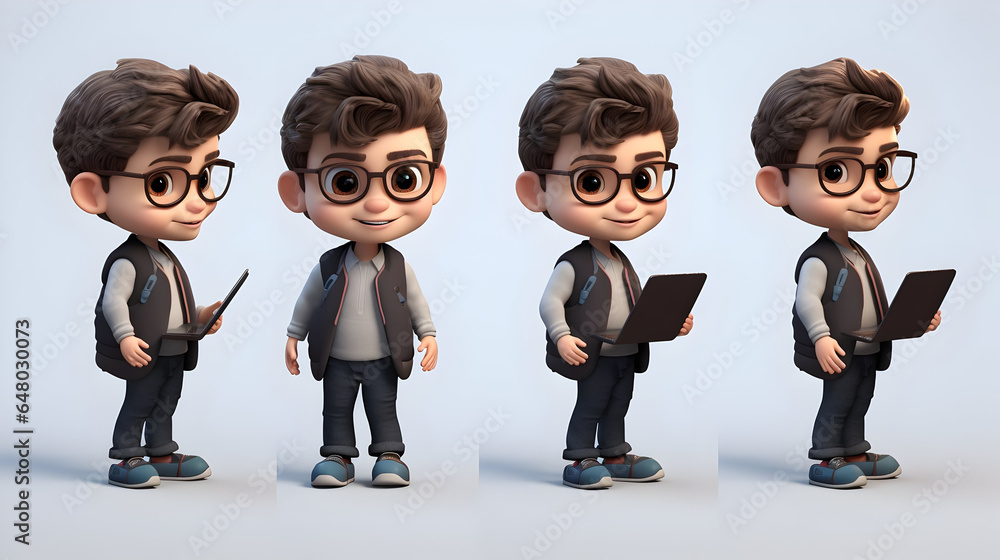
In a move reflecting the growing interest in developing content aimed at children, the head of the Solidarity Committee in the Egyptian Parliament stressed the necessity of creating new cartoon characters that capture children's attention, similar to the famous figures Bakr and Captain Majid. These characters have transcended mere entertainment to become integral parts of Egyptian and Arab culture, contributing to the formation of values and principles among generations.
These statements come at a time when the Arab world is witnessing a decline in the production of cartoon content directed at children, necessitating a reevaluation of how educational and entertaining messages are delivered. Cartoon characters play a vital role in shaping children's awareness and help them understand the world around them through engaging stories and exciting adventures.
Event Details
During the committee meeting, the importance of developing the animation industry in Egypt was discussed, with members emphasizing the need to support creators and innovators in this field. The significance of collaboration between the public and private sectors was also highlighted to provide a suitable environment for creativity and innovation. Proposals were made to establish workshops and initiatives aimed at enhancing the artistic and creative skills of youth.
The discussion also covered the importance of utilizing modern technology in animation production, as new technologies can contribute to improving content quality and making it more appealing to children. This direction reflects a genuine desire to keep pace with global developments in the animation industry.
Background & Context
Historically, cartoon characters have played a pivotal role in Arab culture, helping to shape children's identities and promote values of cooperation and friendship. Figures like Bakr and Captain Majid were not just cartoon characters; they represented symbols of Egyptian childhood, associated with their adventures and values.
With the increasing openness to other cultures, it has become essential to have local cartoon characters that reflect Arab values and traditions, contributing to the enhancement of cultural identity among children. This requires efforts from all stakeholders, including families, schools, and media.
Impact & Consequences
Creating new cartoon characters can have a significant impact on children, as they can enhance their imagination and open new horizons for thinking and creativity. These characters can also play a role in promoting social and moral values, contributing to building a more aware and understanding society.
Moreover, developing the animation industry can create new job opportunities for youth, boosting the local economy and stimulating innovation. This approach can help position Egypt on the global animation industry map.
Regional Significance
The animation industry is an important part of Arab culture, as it can contribute to enhancing cultural identity and fostering communication between Arab countries. The development of new cartoon characters can promote cooperation among Arab nations in the fields of culture and arts.
Furthermore, the success of these initiatives could serve as a model for other countries, enhancing pride in Arab cultural identity. Amid the challenges facing the region, investing in culture and arts is a crucial step towards building a better future.