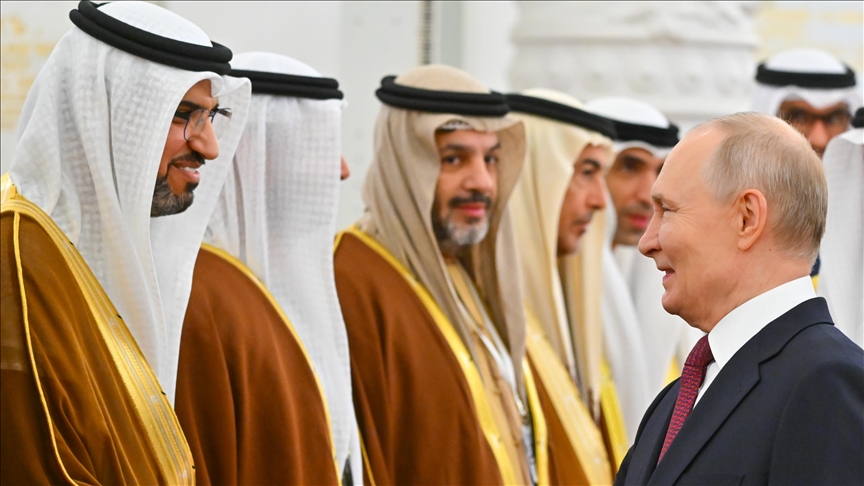
Amid escalating tensions in the Middle East, Russian President Vladimir Putin held a phone conversation with UAE President Mohammed bin Zayed Al Nahyan, where they affirmed the necessity of ending hostilities. The leaders expressed their concern over the current situation, stressing that diplomatic solutions are the only way to achieve stability.
This call comes at a sensitive time for the region, where armed conflicts are increasing and tensions are rising among several countries. The discussion centered on the importance of international cooperation in addressing these crises, with both leaders calling for dialogue and negotiation as means to resolve disputes.
Details of the Event
During the call, Putin and Al Nahyan discussed the deteriorating conditions in some Arab countries, emphasizing that the continuation of hostilities will only exacerbate humanitarian and political crises. They highlighted the significant role of major powers in supporting peace efforts and the need to work towards comprehensive solutions that ensure the rights of all parties involved.
The conversation also touched on the economic and social issues plaguing the region, with both leaders noting that political stability is fundamental for achieving sustainable development. They reaffirmed the importance of enhancing cooperation between Russia and the UAE in various fields, including economy and energy.
Background & Context
Historically, the Middle East has witnessed numerous armed conflicts that have worsened humanitarian conditions. Since the beginning of the new millennium, tensions have escalated due to political and economic conflicts, adversely affecting the lives of millions. Russia and the UAE have been among the countries attempting to play a mediating role in some of these disputes, reflecting their interest in regional stability.
In recent years, Russian-UAE relations have significantly developed, with cooperation being strengthened across various sectors, including trade and investment. These relations have contributed to enhancing Russia's role in the region, making it an important partner in any efforts to resolve conflicts.
Impact & Consequences
The call by Putin and Al Nahyan to end hostilities may carry positive implications for the situation in the region. A diplomatic solution could lead to a de-escalation of tensions, contributing to improved humanitarian conditions and bolstering political stability. Additionally, cooperation between major powers like Russia and the UAE could support peace efforts and enhance dialogue opportunities among conflicting parties.
On the other hand, the continuation of conflicts could exacerbate humanitarian crises, necessitating the international community to intensify its efforts to resolve these issues. The current circumstances require a swift and effective response from all parties involved to ensure peace and stability in the region.
Regional Significance
This call between Putin and Al Nahyan serves as a strong message to all parties involved in the Middle East, underscoring the importance of dialogue and cooperation in addressing crises. Stability in the Arab region heavily relies on the ability of nations to overcome differences and reach peaceful solutions.
In conclusion, the leaders' call to end hostilities represents a positive step towards achieving peace in the Middle East. As tensions continue, hope remains pinned on the efforts of the international community and major powers to support diplomatic solutions.