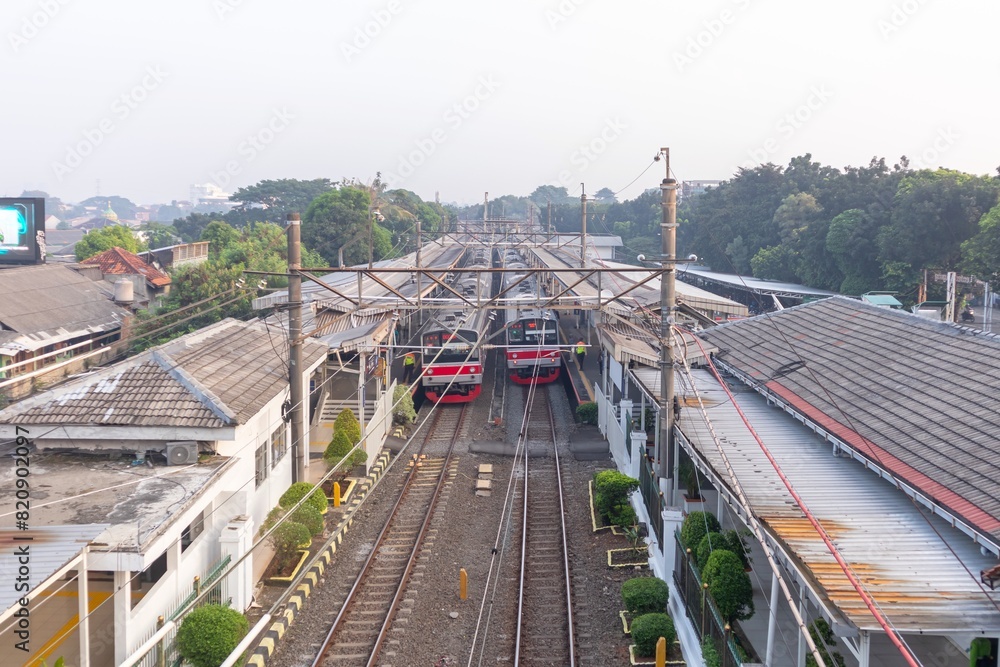
The South Jakarta Environmental Agency (Sudin LH Jaksel) has called on local residents to change their waste disposal behaviors, following the growing problem of garbage accumulation in the RPTRA Lenteng Agung area, located in the Jakarsia district. Officials confirmed that this issue is not new, having recurred several times, but changing citizens' behaviors remains the greatest challenge.
In statements made by the head of the Environmental Agency, Didi Sitono, he emphasized that the problem is related to citizens' habits regarding waste disposal, noting that these habits are still difficult to change. This issue has garnered significant attention on social media, where images of garbage accumulation in the area have sparked residents' discontent.
Details of the Situation
Didi Sitono reported that the Environmental Agency has already removed waste from the RPTRA Lenteng Agung area, indicating a commitment to not leaving any waste in undesignated places. However, he pointed out that the problem recurs periodically, indicating that the solutions implemented have not been sufficient to change citizens' behaviors.
He also added that the Environmental Agency is working to raise environmental awareness among residents through awareness campaigns aimed at encouraging them to use designated waste containers. He confirmed that the biggest challenge lies in changing the entrenched habits of some citizens who still ignore the importance of maintaining environmental cleanliness.
Background & Context
The waste problem in major cities like Jakarta is one of the pressing issues faced by many countries around the world. With the increasing population and rapid urban growth, the amount of waste generated has significantly risen, necessitating effective waste management strategies. In Jakarta, where the population is estimated to be around 10 million, waste management has become a major challenge requiring collective efforts from both the government and citizens.
Historically, Jakarta has witnessed numerous government campaigns to improve waste management, but challenges still persist. In addition to non-compliance from some citizens, there is also a lack of the necessary infrastructure to collect and process waste effectively. This underscores the need for collaborative efforts between the government and civil society to achieve positive outcomes.
Impact & Consequences
The repercussions of the waste problem in Jakarta extend beyond environmental dimensions, affecting public health and quality of life. Continuous waste accumulation can lead to the spread of diseases and poses a threat to the surrounding environment. Furthermore, the negative imagery resulting from environmental pollution can impact tourism and investment in the city.
Therefore, addressing this issue requires comprehensive strategies that include improving infrastructure, enhancing environmental awareness, and strictly enforcing laws against violators. The government must also collaborate with non-governmental organizations and the local community to achieve tangible results.
Regional Significance
The waste management issue is a common challenge faced by many Arab countries as well. With the increasing population and urban growth, Arab cities encounter similar challenges in waste management. Thus, Arab nations can benefit from the experiences and knowledge shared globally in this field.
Enhancing environmental awareness and changing citizens' behaviors regarding waste disposal is essential for preserving the environment and improving quality of life. Therefore, there should be joint efforts between governments and local communities to achieve sustainable development goals.