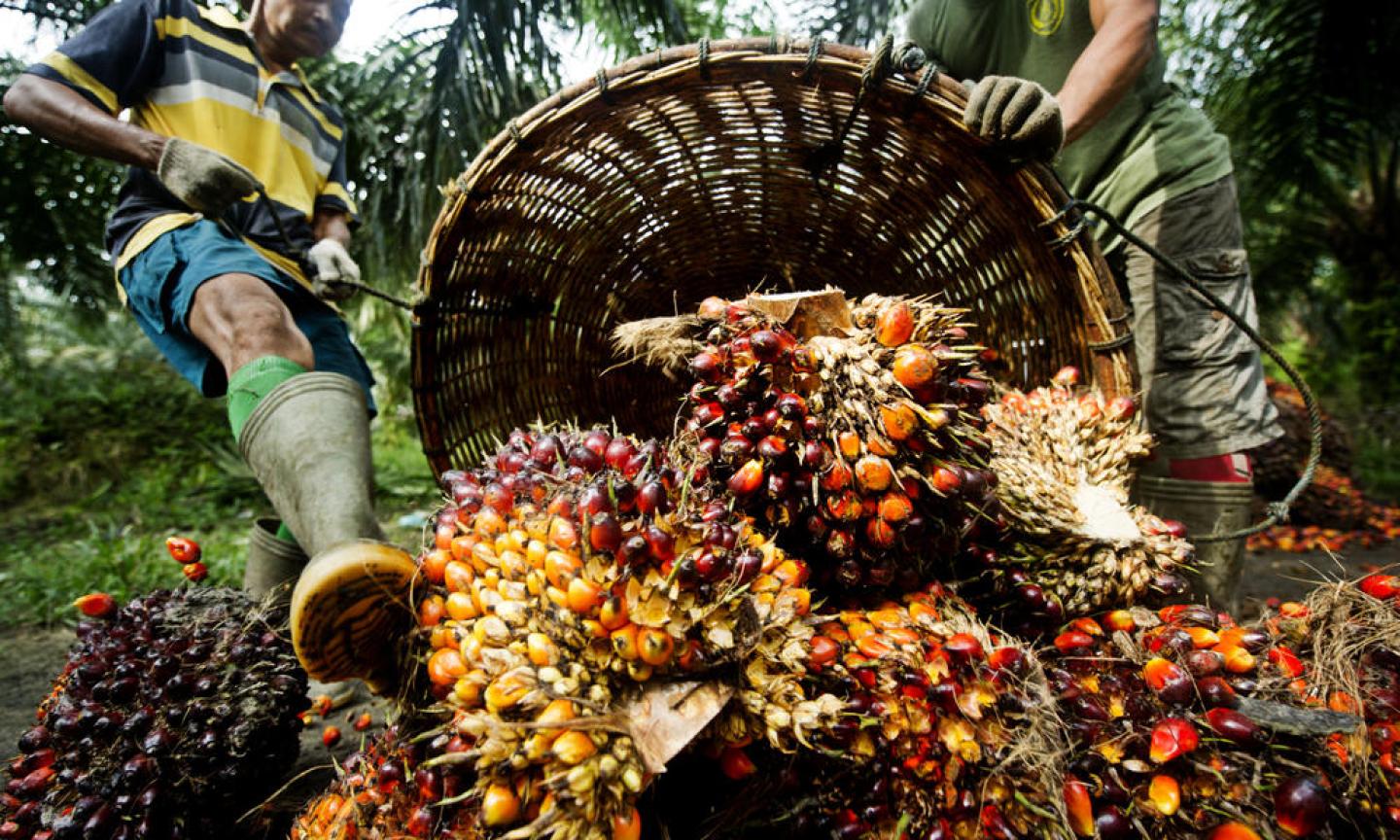
Tungkot Sibayong, director of the Strategic Policy Institute for Palm Oil in Indonesia, has called for the expansion of human resource development programs in the palm oil sector to address increasing challenges. This request highlights the urgent need to qualify human resources to ensure the sustainability of this vital industry.
Sibayong emphasized during his statements in Jakarta that human resource development is a key factor in achieving sustainability in the national palm oil industry. He stressed the necessity for these programs to be capable of addressing the growing challenges facing the sector, including market changes and quality requirements.
Details of the Event
Sibayong confirmed that human resource development must encompass multiple aspects, including improving education quality and diversifying available skills, in addition to ensuring the availability of qualified labor. He explained that these programs must respond to current and future industry demands, which requires significant investment in education and training.
He also pointed out that the Palm Oil Plantation Fund Management Agency (BPDP) plays a strategic role in human resource development by providing scholarships for students from farming families. These scholarships aim to qualify the new generations of workers in this vital sector.
Background & Context
Indonesia is one of the largest producers of palm oil in the world, and this industry plays an important role in the national economy. However, the industry faces significant challenges, including environmental and social pressures. Therefore, human resource development is a vital step to ensure the sustainability of this industry.
The Palm Oil Plantation Fund Management Agency was established in 2015 as part of the Indonesian government's efforts to enhance the palm oil sector. Since then, the agency has provided scholarships and technical support to farmers, contributing to improved education and training levels in this sector.
Impact & Consequences
Human resource development in the palm oil industry has multiple positive impacts. In addition to improving production quality, it enhances the sector's competitiveness on a global scale. It also helps create new job opportunities and improve living conditions for farmers and their families.
Moreover, investing in education and training can help reduce poverty in rural areas, where many residents rely on palm oil cultivation as their primary source of income. Thus, these programs are not just an investment in the industry, but an investment in the future of local communities.
Regional Significance
Although the palm oil industry is not prevalent in the Arab world, the lessons learned from the Indonesian experience can be beneficial. Investing in human resources and skill development can apply to many sectors in Arab countries, especially in agriculture and food industries.
Furthermore, enhancing cooperation between Arab countries and Indonesia in palm oil cultivation could open new horizons for investment and trade, contributing to strengthening food security in the region.
Expanding human resource development programs in the Indonesian palm oil industry represents an important step toward achieving sustainability in this sector. Other countries, including Arab nations, should benefit from this experience to enhance their capabilities in various fields.