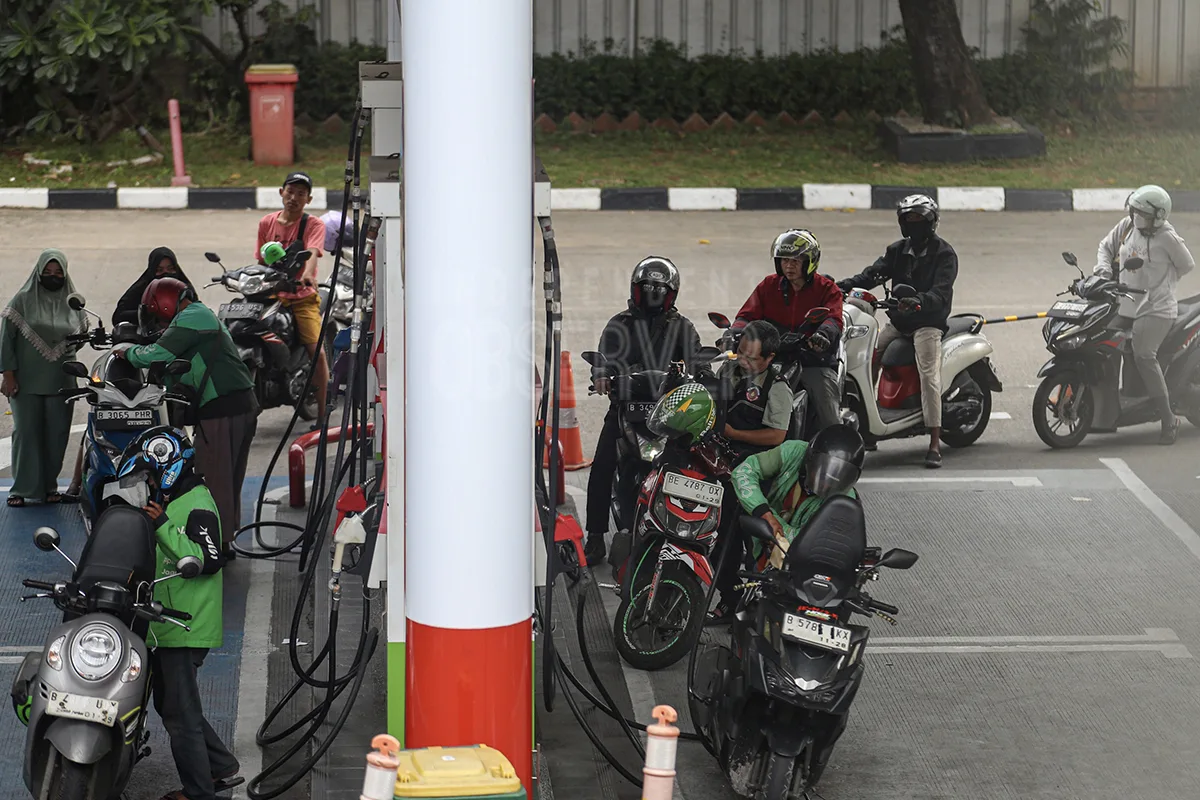
The Vice Chairman of the Energy Committee in the Indonesian Parliament, Lamhot Sinaga, has urged the government to reconsider fuel prices as a measure to address rising financial pressures due to soaring global oil prices. Sinaga emphasized that the current financial situation requires swift and effective actions to maintain the stability of the national budget.
Sinaga pointed out that the rise in oil prices to record levels, exceeding $140 per barrel, necessitates proactive measures from the government. He explained that the national budget for 2026 could face significant pressures if this trend continues, as current assumptions indicate a price of only $70 per barrel.
Details of the Situation
In his statements, Sinaga clarified that every $1 increase in oil prices could add approximately 6 trillion Indonesian rupiah to the national budget. Therefore, the anticipated rise of $70 could lead to increased financial pressure amounting to hundreds of trillions of rupiah.
He also noted that escalating geopolitical conflicts in the Middle East, including tensions between Iran, the United States, and Israel, have contributed to rising oil prices. He pointed out that any disruption in global energy distribution, such as what is happening in the Strait of Hormuz, could exacerbate this crisis.
Background & Context
Historically, Indonesia has experienced significant fluctuations in fuel prices, with the government adopting fuel price support policies to alleviate burdens on citizens. However, these policies have become more complicated amid changing global economic conditions.
In recent years, Indonesia has faced substantial financial challenges due to oil price volatility, prompting the government to reassess its financial strategies. Previous crises have shown that failing to take swift action can exacerbate economic crises.
Impact & Consequences
If the government does not take prompt action to adjust fuel prices, the country may face a severe financial crisis. Sinaga indicates that failing to adapt to global conditions could increase burdens on the national budget, weakening the state’s financial capacity.
Moreover, rising fuel prices could impact vulnerable segments of society, necessitating measures to protect these groups from the repercussions of new policies. Any price increase should be accompanied by measures to safeguard the most affected populations.
Regional Significance
Indonesia is considered one of the largest oil-consuming countries in the world, and any changes in its oil policies could affect global oil markets. At the same time, many Arab countries are suffering from the repercussions of rising oil prices, making it essential for nations to cooperate in facing these challenges.
Understanding the global context behind oil prices can help Arab countries make strategic decisions regarding their economic policies, especially amid ongoing geopolitical tensions.