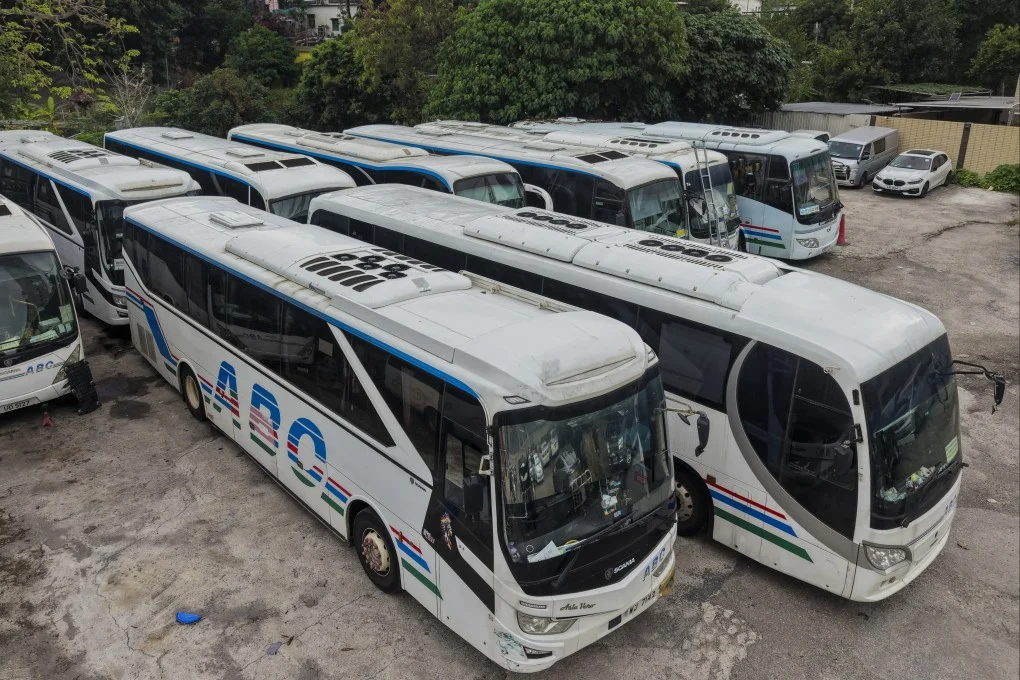
Hong Kong lawmakers have warned that a local bus operator's attempt to cut services is merely the "tip of the iceberg" in the escalating public transport crisis. The lawmakers called on the government to take swift action to address the impact of rising fuel prices on transport services, after the operator indicated the possibility of reducing the number of trips due to increasing costs.
During a parliamentary session on Tuesday, lawmakers urged authorities to approve requests from unlicensed bus companies to raise ticket prices, in addition to providing financial support to mitigate the effects of rising fuel costs. These demands come at a time when the world is witnessing a significant increase in oil prices due to political crises in regions such as the Middle East.
Details of the Situation
These calls come at a critical time as many transport companies are suffering substantial losses due to rising fuel prices. Lawmakers pointed out that the current situation could lead to a significant reduction in public transport services, negatively impacting citizens' daily lives. Reports have indicated that many transport companies may face difficulties in continuing to provide their services if fuel prices keep rising.
It is worth noting that global oil prices have seen a notable increase in recent months, affecting transportation costs worldwide. In Hong Kong, where many residents rely on public transport, any price increase could exacerbate economic and social conditions.
Background & Context
Historically, Hong Kong has experienced several economic crises that have impacted transport services, but the current situation appears more complex due to global factors. The rise in oil prices is directly linked to conflicts in the Middle East, which affect oil supplies and lead to price volatility. In recent years, there have been increasing calls from lawmakers and citizens for improvements in the public transport system and greater support for operators.
The government also faces significant challenges in managing economic crises, as pressures mount from citizens suffering from rising living costs. In this context, supporting public transport is essential to maintaining community stability.
Impact & Consequences
If the government does not take swift steps to address this crisis, it could exacerbate the economic situation in Hong Kong. Increasing ticket prices may lead to a decline in passenger numbers, which would affect the revenues of transport companies. Additionally, reducing services could lead to increased congestion on remaining transport options, negatively impacting the quality of life in the city.
It is crucial for the government to adopt effective policies to support public transport, including providing financial assistance to affected companies. This support can help maintain the continuity of transport services and ensure that citizens are not significantly impacted.
Regional Significance
The public transport crisis in Hong Kong is a direct result of rising fuel prices, which affects the daily lives and needs of citizens. The situation highlights the interconnectedness of global oil markets and local economies, emphasizing the need for proactive measures to safeguard essential services.
In conclusion, the ongoing challenges in public transport require immediate attention from the government to prevent further deterioration of the situation and to ensure that residents can rely on essential transport services.