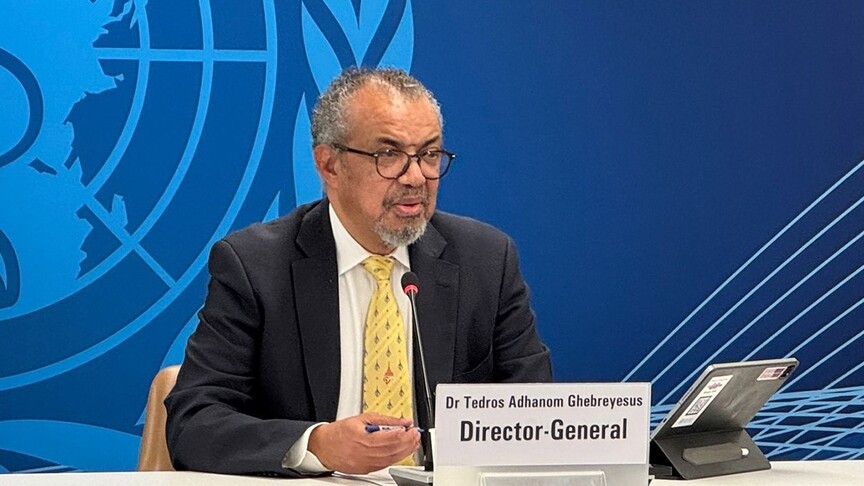
The Director-General of the World Health Organization, Tedros Adhanom Ghebreyesus, emphasized the urgent need for an immediate ceasefire in eastern Democratic Republic of the Congo, noting that the deteriorating security situation is hindering efforts to contain the outbreak of the Ebola virus, which is spreading rapidly in the region. This call comes at a time when the area is experiencing a surge in violence, complicating the work of medical teams fighting the epidemic.
During a press conference, Ghebreyesus stated that the ongoing armed conflict contributes to the virus's spread, as local communities face increased health risks. He explained that violence obstructs access to affected areas, limiting the ability of medical teams to provide necessary care to those infected.
Event Details
The Democratic Republic of the Congo is witnessing a rising number of new Ebola cases, with over 100 cases reported since the beginning of the latest outbreak. This outbreak is the most recent in a series of epidemics that the country has faced over the years. Cases have been detected in remote areas, making containment efforts more challenging.
The World Health Organization is working in collaboration with the Congolese government and other humanitarian entities to bolster efforts against the virus; however, the persistent armed conflict hampers these initiatives. Ghebreyesus pointed out that medical teams are facing significant challenges in reaching affected communities due to security risks.
Background & Context
Historically, the Democratic Republic of the Congo has suffered from multiple health crises, including outbreaks of the Ebola virus. The ongoing conflict in the country has exacerbated humanitarian conditions, with millions of people living in dire circumstances. Since 1976, over 30 outbreaks of the Ebola virus have been recorded in the country, making it one of the most affected nations by the virus.
Health crises intertwine with political and social crises, as the country suffers from instability due to armed conflicts among various groups. This situation worsens health conditions, with populations lacking access to basic healthcare.
Impact & Consequences
Reports indicate that the Ebola outbreak in eastern Congo may worsen humanitarian conditions, as populations are already facing significant challenges in accessing food and healthcare. The continuation of violence could lead to an increase in internally displaced persons, putting further pressure on limited resources.
These conditions serve as a reminder of the importance of political and security stability in combating epidemics. Without a safe environment, implementing vaccination and healthcare programs necessary to curb the virus's spread becomes exceedingly difficult.
Regional Significance
The Arab region is indirectly affected by the outbreak of epidemics in Africa, as health crises can lead to refugee flows into neighboring countries. Furthermore, international cooperation in public health is essential to address global health challenges.
In conclusion, the situation in eastern Congo requires an urgent response from the international community, with coordinated efforts needed to halt violence and provide necessary support for health initiatives. Addressing health crises also necessitates a focus on humanitarian and political dimensions to ensure positive outcomes.