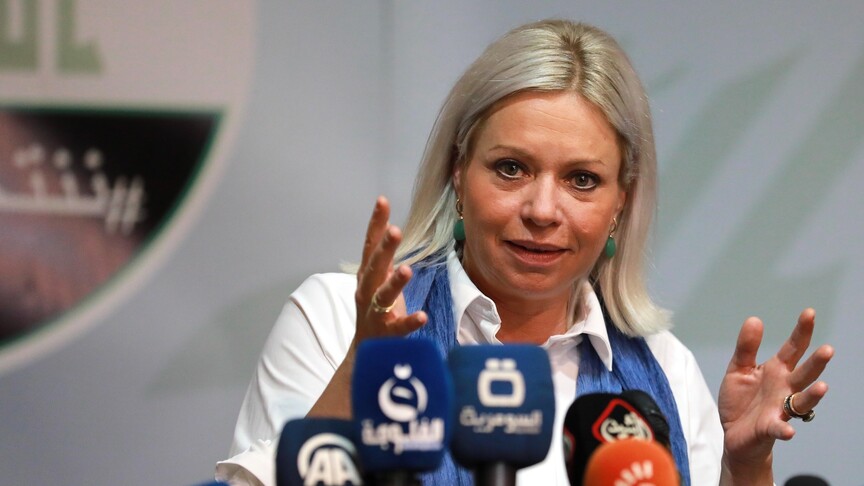
The UN coordinator has called for an urgent cessation of violence in Lebanon, following reports that Israel has launched its largest wave of attacks in its current military operation. This call comes at a time when tensions in the region are escalating, necessitating immediate action from the international community.
The coordinator emphasized that the situation in Lebanon requires urgent dialogue among the concerned parties, noting that military escalation will only exacerbate humanitarian conditions. She urged all parties to commit to de-escalation and avoid further escalation.
Details of the Incident
Reports indicate that Israeli attacks have targeted multiple areas in Lebanon, resulting in injuries and significant material damage. This escalation has raised widespread international concern, with many countries calling for respect for Lebanon's sovereignty and an end to hostilities.
Meanwhile, reactions from the Lebanese government have continued, condemning the attacks and asserting its right to defend its territory. The government also expressed concern over the humanitarian impact of these attacks on civilians.
Background & Context
The recent escalation occurs within a complex historical context, as relations between Israel and Lebanon have experienced ongoing tensions over the past decades. Previous conflicts have led to recurring humanitarian crises in Lebanon, making the current situation more sensitive.
Historically, there have been several rounds of violence between the two sides, the most recent being in 2006, when a devastating war lasted for 33 days. Since then, there have been intermittent attempts to achieve peace, but security conditions have remained fragile.
Impact & Consequences
These attacks may worsen the humanitarian situation in Lebanon, which is already suffering from economic and social crises. Additionally, military escalation could open the door to new international interventions, complicating the situation further.
Moreover, these events could affect regional stability, potentially provoking reactions from other countries in the area, thereby increasing the likelihood of conflict escalation.
Regional Significance
The events in Lebanon are of great importance to the Arab region as a whole, as any escalation could impact relations between Arab countries and Israel. Furthermore, the situation in Lebanon may reflect on conditions in Syria and Palestine, complicating the regional landscape.
In conclusion, hope remains pinned on the international community to intervene effectively to stop the violence and achieve peace in the region, as continued escalation will only lead to further humanitarian suffering.