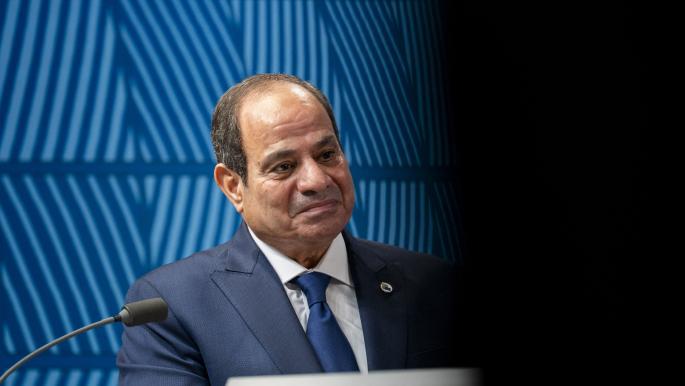
Egyptian President Abdel Fattah el-Sisi called today, Monday, for an urgent need to stop the war in the Middle East, emphasizing that developing countries will be the most affected by the repercussions of these conflicts. In his speech, Sisi confirmed that the continuation of the dispute will lead to economic shocks that could destabilize these countries, which are already suffering from significant economic challenges.
During a press conference, Sisi urged the international community to take immediate steps to halt hostilities, noting that peaceful solutions are the only way to achieve stability in the region. He also pointed out that humanitarian conditions are deteriorating rapidly, necessitating urgent action from all concerned parties.
Details of the Event
Sisi's call comes at a time when the Middle East is witnessing an escalation of conflicts, particularly amid ongoing crises in countries such as Syria, Libya, and Palestine. Sisi indicated that these conflicts pose not only a threat to regional security but also negatively impact the global economy, as developing countries heavily rely on regional stability for economic development.
He also addressed the negative impact of wars on fragile economies, explaining that these countries face multiple challenges, including poverty and unemployment, making them more susceptible to economic shocks resulting from armed conflicts.
Background & Context
Historically, the Middle East has witnessed numerous armed conflicts that have led to the deterioration of economic and social conditions. Civil wars and armed conflicts in countries like Iraq, Syria, and Libya have resulted in the displacement of millions and the destruction of infrastructure, exacerbating the suffering of the populations.
In recent years, the intensity of conflicts has increased, prompting many countries to reassess their security and economic strategies. It has become clear that military solutions are no longer sufficient, and dialogue and negotiation are the most effective means to achieve peace and stability.
Impact & Consequences
If conflicts in the Middle East continue, developing countries will face greater challenges in the areas of economy, health, and education. Wars can lead to the spread of diseases, increased poverty rates, and the destruction of infrastructure, hindering sustainable development efforts.
Moreover, the economic effects of conflicts extend to global markets, where disruptions in the region can lead to rising prices of oil and essential commodities, affecting the global economy as a whole. Therefore, the call for a ceasefire is not merely a humanitarian issue but also an economic necessity.
Regional Significance
Sisi's call to stop the war in the Middle East serves as a cry to save Arab countries from further crises. Security and stability in the region are closely linked to economic and social development.
If the concerned countries respond to this call, there may be hope for achieving peace, which would help rebuild affected countries and enhance cooperation among Arab nations. Additionally, stability in the region could contribute to attracting foreign investments, thereby boosting economic growth.
In conclusion, Sisi's call for an end to the war in the Middle East is an important step towards achieving peace and stability, but it requires the concerted efforts of both international and local stakeholders to achieve tangible results.