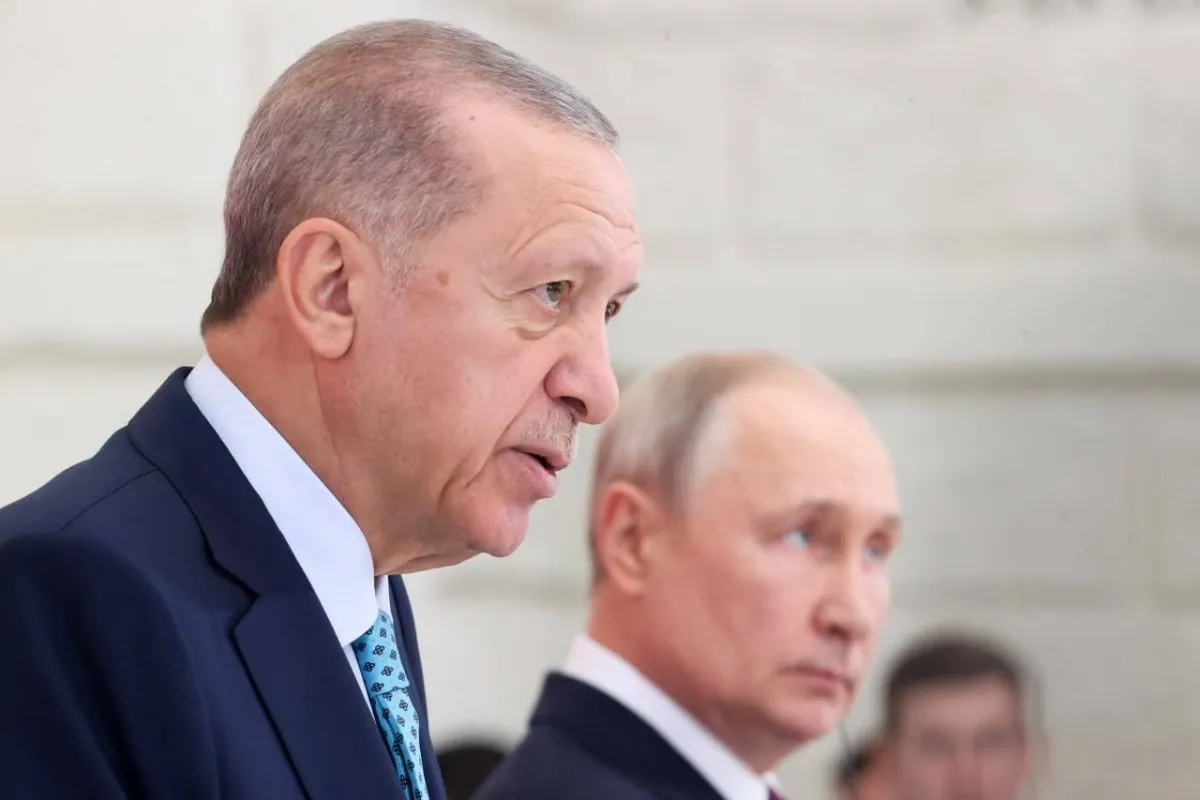
Russian President Vladimir Putin and Turkish President Recep Tayyip Erdoğan have called for an immediate ceasefire in the Middle East during a phone conversation on Friday. This request follows over a month of the U.S.-Israeli war against Iran, with increasing worries about the conflict's ramifications for both regional and international stability.
The Kremlin confirmed in an official statement that the two leaders agreed on the necessity of reaching peace agreements that consider the legitimate interests of all countries in the region. The statement emphasized that ongoing military operations lead to serious negative consequences, not only at the regional level but also globally, affecting energy, trade, and logistics.
Details of the Call for Ceasefire
This call comes at a sensitive time as tensions in the region escalate due to the ongoing conflict. Recent polls have shown a decline in the popularity of Israeli Prime Minister Benjamin Netanyahu, prompting opposition parties to act against U.S. interference in the Israeli elections. Opposition officials have reached out to influential American figures, such as businesswoman Miriam Adelson, urging them not to meddle in Israel's internal affairs.
Simultaneously, a recent survey indicated that the Israeli opposition could achieve a parliamentary majority of up to 61 seats, suggesting that Netanyahu might lose power. This decline is attributed to several factors, including the state budget approved by the ruling coalition and the ongoing war in Iran and Lebanon.
Background & Context
Historically, the region has witnessed multiple conflicts, with the Israeli-Arab wars being among the most prominent. As current tensions rise, fears grow that these conflicts could exacerbate humanitarian and economic crises in the countries of the region. Additionally, external interventions, whether from the United States or others, could significantly influence the course of events.
Iran is a key player in this equation, continuing to support its allies in the region, which complicates the situation further. Recent reports indicated that Tehran had shot down an American warplane, escalating tensions between the two sides.
Impact & Consequences
The call for a ceasefire by Putin and Erdoğan could have significant implications for the unfolding events in the Middle East. If the concerned parties respond positively to this call, it may open the door for new peace negotiations. However, the continuation of military operations could worsen humanitarian conditions and increase civilian suffering.
This call also reflects growing international concern about the conflict's impact on global security. As conditions deteriorate, energy prices and international trade may be adversely affected, which would negatively impact the global economy.
Regional Significance
Events in the Middle East directly affect Arab countries, with rising fears about the conflict's repercussions on security and stability. The continuation of the war could lead to an influx of refugees and increased humanitarian crises, necessitating an urgent response from Arab nations and the international community.
In conclusion, hope remains for the possibility of reaching peace agreements that put an end to the conflict and ensure the rights of all parties involved. Cooperation between major powers, such as Russia and Turkey, could play a crucial role in achieving this goal.