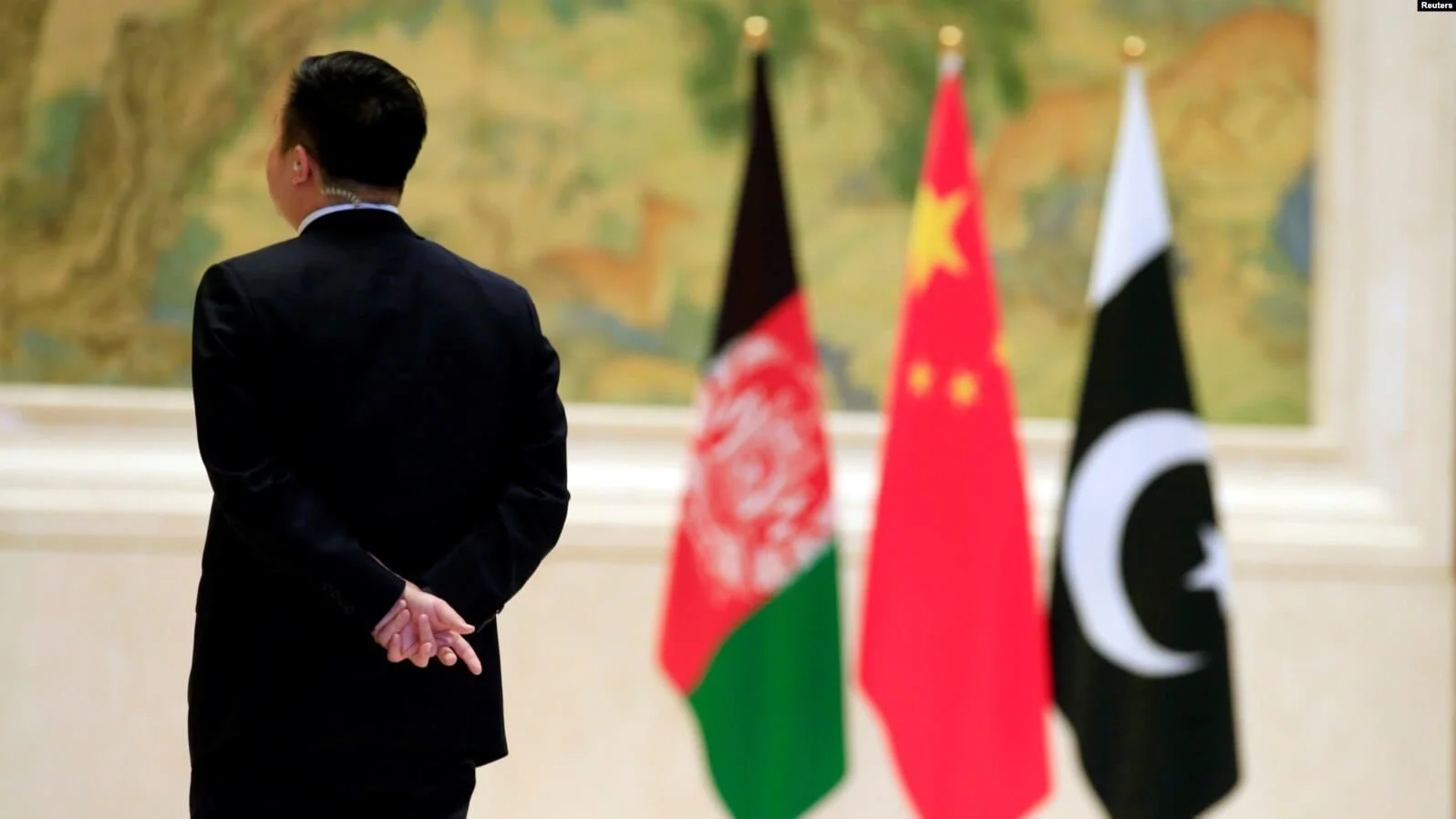
Chinese and Pakistani foreign ministers, Wang Yi and Isaac Dar, have called for an immediate halt to hostilities in the region during their meeting in Beijing. This request comes at a time when the Middle East is witnessing escalating tensions resulting from the US-Israeli war against Iran, increasing the risk of military escalation in the region.
In a joint statement, the ministers highlighted the necessity of initiating peace talks as soon as possible, stressing the importance of protecting civilians and avoiding attacks on non-military targets. They also presented a five-point plan aimed at restoring peace and stability in the region.
Details of the Initiative
The plan devised by the foreign ministers includes an immediate cessation of attacks on civilians and non-military targets, securing shipping lanes in the Strait of Hormuz, and establishing a comprehensive framework for peace. This initiative was announced during a press conference following the discussions held in the Chinese capital.
This joint call from China and Pakistan reflects a growing trend towards enhancing cooperation between the two countries in the face of regional challenges, as both China and Pakistan are considered strategic allies in the region, strengthening their position on the international stage.
Background & Context
Historically, the relationship between China and Pakistan has seen significant development, with Pakistan being one of China's key strategic partners in the South Asia region. This relationship has contributed to strengthening economic and military cooperation between the two countries, allowing China to play an important role in regional issues.
In recent years, tensions in the Middle East have escalated, particularly following increased US and Israeli military activities against Iran. These tensions have significantly impacted the stability of the region, prompting major powers like China to intervene and call for peace.
Impact & Consequences
The call from China and Pakistan for a cessation of hostilities is an important step towards calming the situation in the Middle East. If this call is heeded, it could lead to a reduction in military tensions and open the door for peace talks that could contribute to regional stability.
This initiative may also reflect a shift in international strategies, as major powers seek to enhance their role in resolving regional conflicts rather than relying on military solutions. These new dynamics could influence relationships among major powers in the region.
Regional Significance
For Arab countries, stability in the Middle East is vital, as any escalation in conflicts can negatively impact security and the economy in the region. Therefore, the call from China and Pakistan to halt hostilities may open new avenues for cooperation between Arab nations and major powers in the pursuit of peace.
In conclusion, hopes for peace remain, but they require joint efforts from all concerned parties. Responding to the call from China and Pakistan could be the first step towards achieving lasting stability in the region.