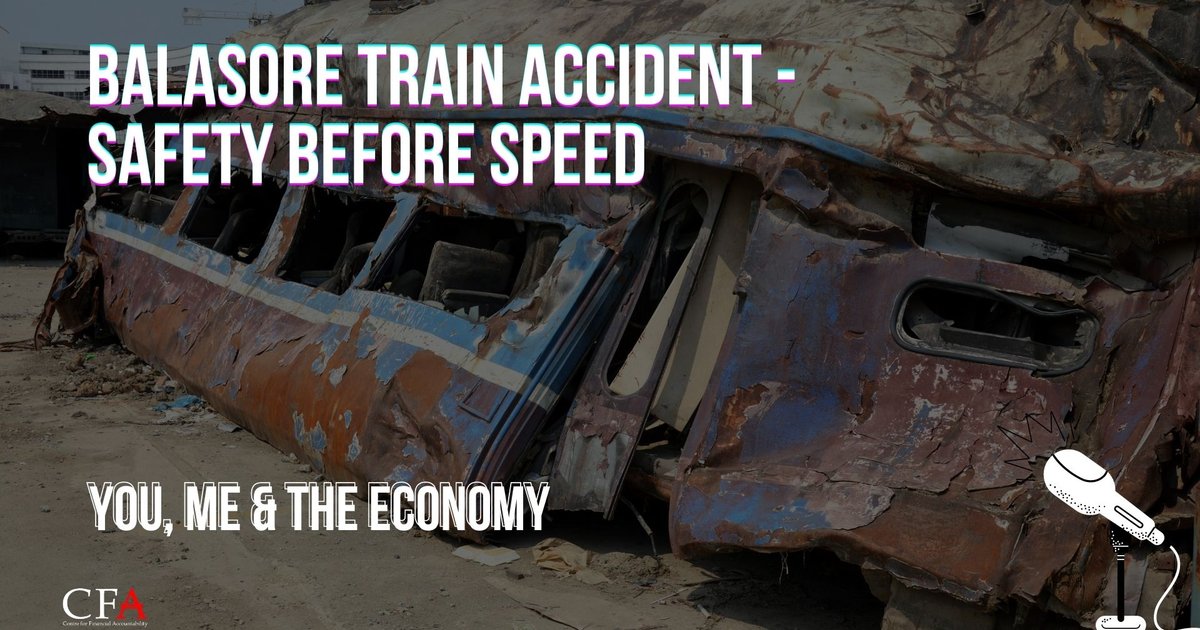
Indonesian Parliament Speaker Puan Maharani has emphasized the necessity of improving railway safety across the country following the tragic incident that occurred at Bekasi Timur Station, where a long-distance train collided with a commuter train, leading to injuries and fatalities. She stated that this accident highlights the importance of reinforcing safety standards in public transport systems.
Puan pointed out that the incident not only affected the direct victims but also raised concerns about public trust in transportation services relied upon by millions daily. She remarked, "The government and KAI, in collaboration with relevant authorities, must prioritize safety issues on railway lines."
Details of the Incident
The accident took place late on Monday when the Argo Bromo Anggrek train collided with the KRL train at Bekasi Station, causing chaos and panic among passengers. Injured individuals were transported to nearby hospitals for treatment, while the station was temporarily closed for an investigation into the incident.
Reports indicated that the accident was due to inadequate safety measures at crossings, as there are still numerous unprotected intersections along railway tracks, increasing the risk of accidents. Puan confirmed that this situation requires immediate attention from the authorities.
Background & Context
Railways in Indonesia are a vital part of the public transportation system, especially in urban areas like Jakarta and its suburbs. With the growing population and traffic congestion, railway services have become more crucial than ever. However, incidents like this raise concerns regarding passenger safety.
Historically, Indonesia has witnessed several similar accidents, leading to repeated calls for improved safety standards. Nevertheless, progress in this area has been slow, raising questions about the government's commitment to enhancing public safety.
Impact & Consequences
Incidents like the Bekasi accident can lead to a loss of confidence in railway services, negatively affecting passenger numbers and increasing road congestion. They can also heighten pressure on the government to improve infrastructure and enforce safety standards more effectively.
Moreover, accidents impact the local economy, as many people rely on railways to reach workplaces and schools. Therefore, enhancing safety can contribute to boosting the local economy by increasing passenger numbers.
Regional Significance
Many Arab countries face similar challenges regarding public transportation safety. With rising populations and congestion, the need for improved safety standards in transport becomes evident. Indonesia's experience can serve as a valuable lesson for Arab nations in addressing safety issues in railways and public transport.
In conclusion, enhancing railway safety requires collaboration between the government and the community. There must be a swift and effective response to incidents to ensure they do not recur in the future.