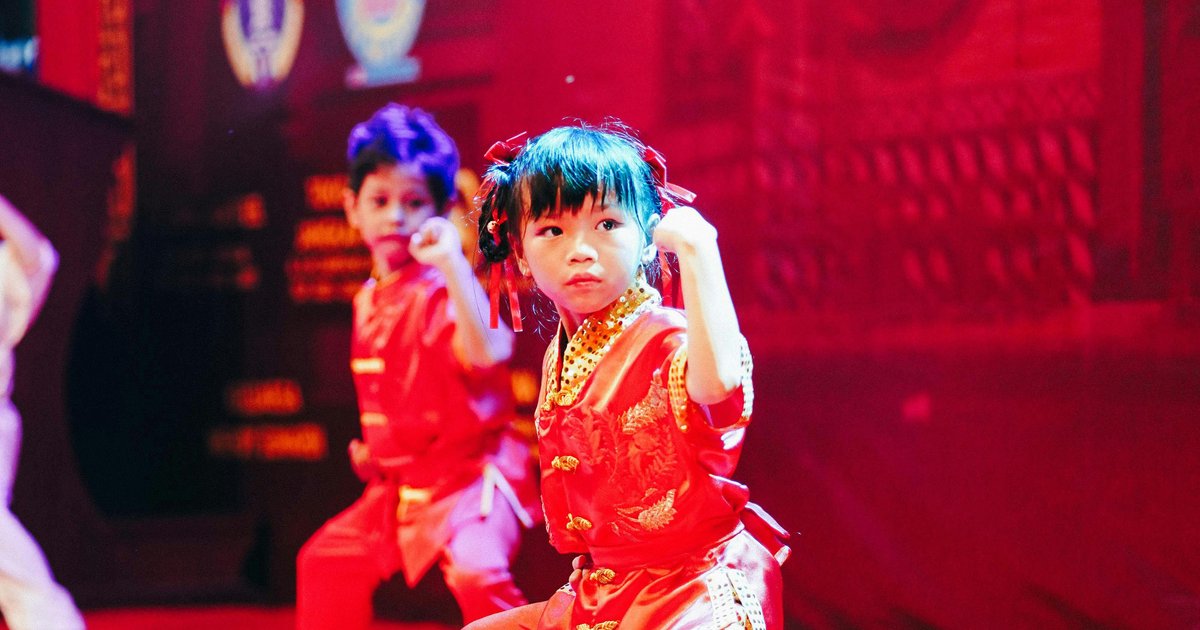
The Indonesian Wushu Administration (PB WI) has expressed its hope for the reintegration of wushu into the government's priority list within the framework of the National Sports Design (DBON). This statement was made by Ngatino, the secretary-general of the administration, who emphasized that the government should reassess the achievements of wushu to deserve a return to the priority list.
These remarks come after wushu was excluded from the new priorities announced by the Indonesian Minister of Youth and Sports, who focused on 20 Olympic sports such as athletics, gymnastics, and weightlifting. Ngatino pointed out that wushu has achieved significant accomplishments in regional and international championships, warranting a reconsideration of this decision.
Details of the Event
In his statements, Ngatino confirmed that wushu was previously among the priorities in DBON, but it is no longer the case. He explained that the reason for this exclusion is that wushu is not one of the sports practiced in the Olympic Games, which has placed it outside the government's sphere of interest. Nevertheless, he stressed the importance of this sport in enhancing national identity, as it can contribute to raising the Indonesian flag in the SEA Games and Asian Games.
He also noted that wushu has achieved remarkable successes, having won the overall championship title in the SEA Games twice, in addition to securing advanced positions in Asian and world championships. These achievements should serve as a motivation to reconsider wushu's status as a priority sport.
Background & Context
Wushu is considered part of Indonesia's cultural heritage and has witnessed significant development in recent years. The Indonesian Wushu Administration was established in 1993, and since then, this sport has gained considerable popularity in the country. Despite not being included in the Olympic Games, wushu is practiced in many regional and international competitions, reflecting the interest of Indonesian youth in this sport.
Historically, Indonesia has been regarded as a leading country in wushu, having won numerous medals in international championships. However, its exclusion from the government's priority list may negatively impact the future of this sport in the country.
Impact & Consequences
The exclusion of wushu from the government's priority list may adversely affect its financial and marketing support, potentially leading to a decline in athletic performance levels. Additionally, this decision may impact the morale of athletes and coaches who work hard to achieve success in this sport.
On the other hand, reintegrating wushu into the priorities could help enhance national identity and increase opportunities for athletes to compete at international levels. Government support for this sport could open new horizons for young athletes and motivate them to achieve greater accomplishments.
Regional Significance
Wushu is part of the Asian cultural heritage, and some Arab countries have begun to take an interest in its development. Indonesia's experience in supporting wushu could serve as a model for Arab countries seeking to develop traditional sports. Enhancing cooperation between Arab countries and Indonesia in this field may contribute to strengthening cultural and sports relations between the two parties.
In conclusion, hope remains pinned on the Indonesian government to reconsider its decision regarding wushu, as supporting this sport could contribute to enhancing national identity and achieving new sports accomplishments.