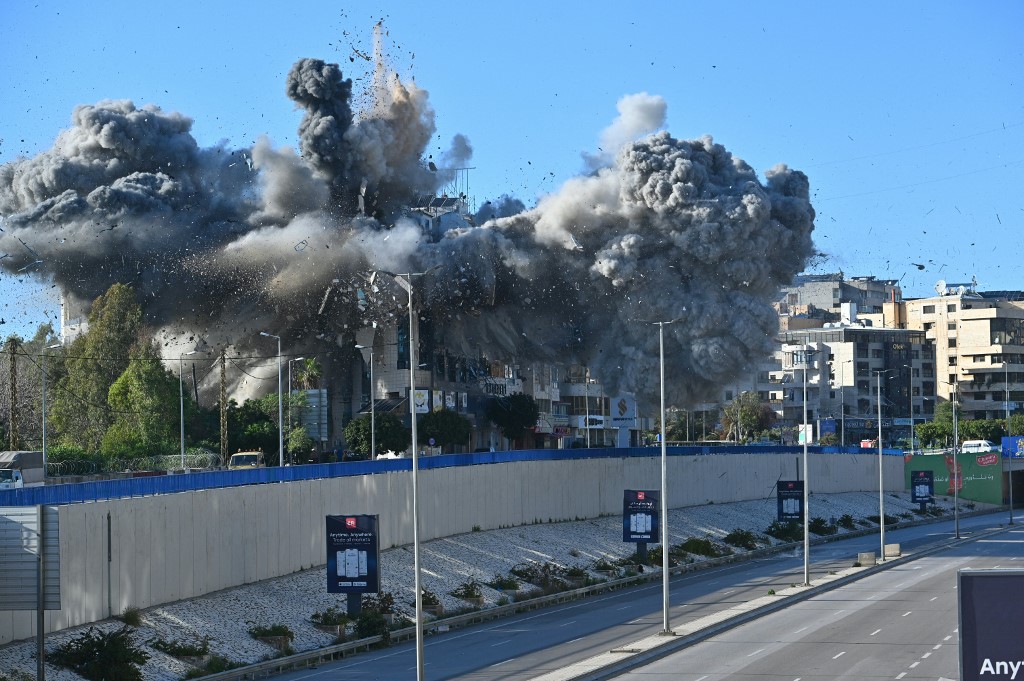
United Nations experts have strongly condemned Israel's practices in targeting journalists, urging for an independent international investigation after the killing of three Lebanese journalists last Saturday. The experts emphasized that targeting journalists while performing their professional duties constitutes a blatant violation of international human rights laws and humanitarian law, and amounts to a war crime.
On March 28, journalists Ali Shaib and Ratima Fatouni, along with photographer Mohammed Fatouni, were killed while covering ongoing events in Lebanon. The experts noted that the evidence provided by Israeli forces to justify these attacks was a digitally altered image of journalist Ali Shaib, raising doubts about the credibility of these claims.
Details of the Incident
Concerns about the safety of journalists in conflict zones are escalating, as experts pointed out that targeting journalists has become a common and dangerous practice by Israel. They stated that journalists carrying out their duties in conflict areas are civilians and should not be targeted or made the subject of attacks.
Since the beginning of 2023, at least 259 journalists and media workers have been killed by Israeli forces, including 210 Palestinian journalists in Gaza and 14 in Lebanon. These figures reflect the magnitude of the threat faced by journalists in covering ongoing events in the region.
Background & Context
Historically, the region has witnessed numerous violations against journalists, with wars and armed conflicts posing significant challenges to press freedom. In recent years, the intensity of the conflict in Lebanon and Palestine has increased, leading to a rise in attacks on journalists seeking to document the facts and convey news.
These incidents are part of broader efforts aimed at silencing reports about Israeli military actions, as seen in Gaza. Experts pointed out that these practices aim to close the doors to media coverage of crimes committed in the context of the conflict.
Impact & Consequences
The repercussions of targeting journalists extend beyond individual dimensions, affecting freedom of expression and the public's right to access information. The killing of journalists creates an atmosphere of fear and self-censorship, hindering the media's ability to perform its vital role in society.
Moreover, these incidents may lead to a loss of trust in international institutions, as the perceived inaction against these violations is seen as complicity or neglect of human suffering. The lack of accountability for those responsible for these crimes can encourage their recurrence in the future.
Regional Significance
These events serve as a wake-up call for Arab countries, which must enhance the protection of journalists and provide a safe environment for them to carry out their duties. The targeting of journalists in Lebanon reflects broader challenges facing press freedom in the region, necessitating collective action from Arab states and the international community to protect journalists' rights.
In conclusion, the current situation requires urgent action from the international community to ensure the protection of journalists and guarantee that perpetrators of these crimes do not escape punishment. Strengthening press freedom is a fundamental part of building democratic and stable societies.