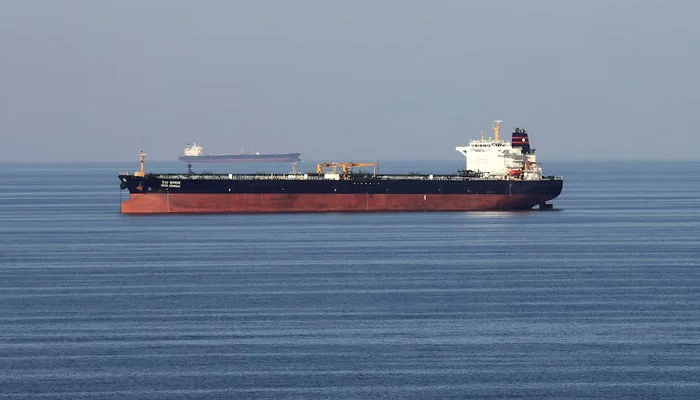
Approximately 40 countries have urged Iran to immediately and unconditionally reopen the Strait of Hormuz, reflecting growing concerns about the potential impact of a closure on the global economy. These calls came after a speech by U.S. President Donald Trump, who threatened Iran, leading to a rise in oil prices and increased tensions in energy markets.
The strait, which is one of the most important maritime passages in the world, sees about 20% of total global oil exports passing through it. Any closure would pose a direct threat to global economies, prompting countries to act swiftly in demanding Iran to reopen it.
Details of the Event
In a press conference, representatives from the concerned countries confirmed that any attempt by Iran to close the strait would have dire consequences for the global economy. They pointed out that this move is not just a threat to regional security but also a threat to global economic security.
This warning comes at a time when relations between Iran and the United States are increasingly strained, especially following Washington's withdrawal from the Iranian nuclear deal in 2018. These tensions have heightened fears regarding the stability of global energy markets.
Background & Context
The Strait of Hormuz, located between Iran and Oman, is a vital transit point for oil and natural gas. Historically, the strait has witnessed numerous crises, including military conflicts and political tensions. In 1980, during the Iran-Iraq War, the strait was the scene of several naval clashes.
In recent years, Iran has increased its military presence in the region, raising concerns among neighboring countries and the United States. Additionally, the economic sanctions imposed on Iran due to its nuclear program have complicated the situation, prompting it to adopt more aggressive policies in the region.
Impact & Consequences
A closure of the Strait of Hormuz would lead to a significant rise in oil prices, affecting all oil-importing countries. This situation could also escalate military tensions in the region, as major powers may seek to protect their economic interests.
Furthermore, any escalation in the region could impact the stability of financial markets, increasing global economic risks. This could lead to a decline in foreign investments in the region, adversely affecting economic growth.
Regional Significance
Arab oil-producing countries, such as Saudi Arabia and the UAE, are the most affected by a closure of the Strait of Hormuz. These countries heavily rely on exporting oil through this strait. Therefore, any threat to its closure could impact their revenues and heighten regional tensions.
Other Arab countries that import oil will face significant challenges in securing their energy needs, potentially leading to increased prices and possible economic inflation.
In conclusion, the situation in the Strait of Hormuz remains under scrutiny, as the international community must take urgent steps to ensure regional stability and protect the global economy from any negative repercussions that may arise from escalating tensions.