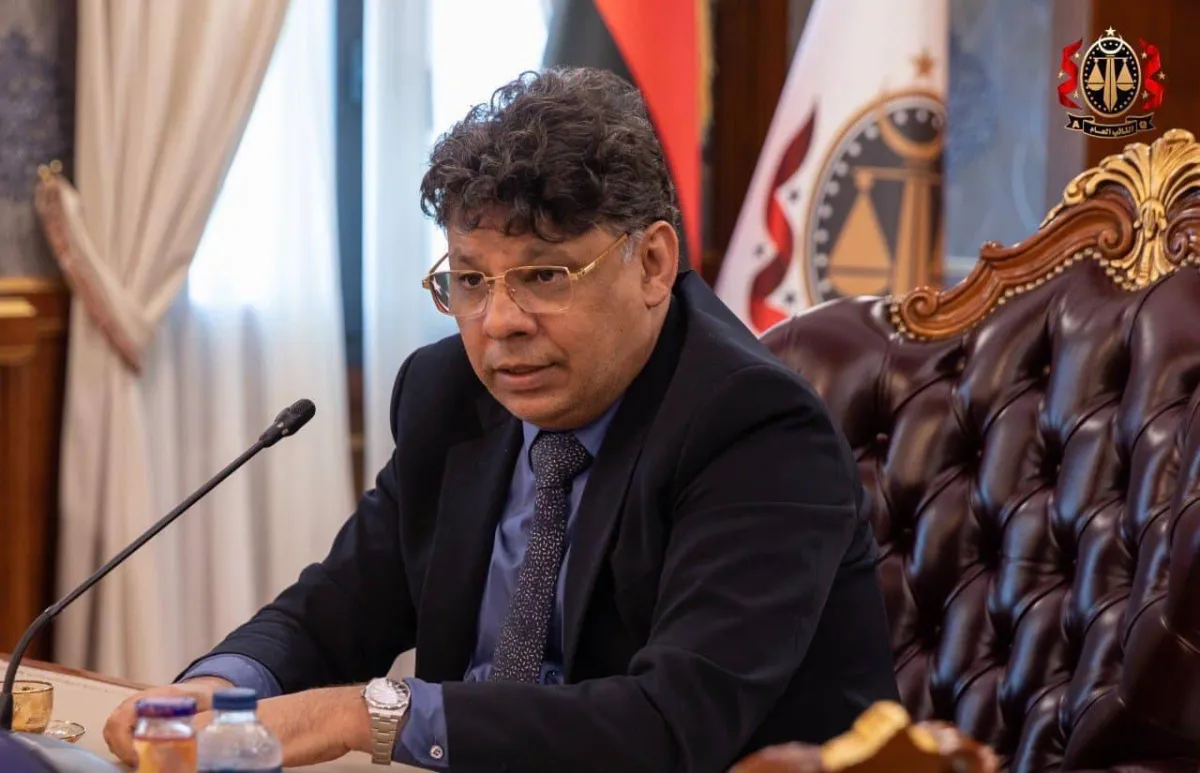
The International Commission of Jurists has called on Libyan authorities to stop what it described as "serious violations" of human rights, especially in detention centers that target foreign nationals across the country. This statement was made during an oral presentation by the Commission at the 61st session of the United Nations Human Rights Council, where it emphasized the need for Libya to enhance efforts to combat impunity for crimes related to detention.
The Commission praised Libya for accepting some recommendations aimed at ending and preventing arbitrary detention and enforced disappearances, as well as improving detention conditions. However, it expressed deep concern over the Libyan authorities' failure to accept many recommendations related to the human rights of migrants, refugees, and asylum seekers.
Details of the Event
In the statement, the Commission urged Libya to take urgent steps to end violations and support international human rights law and refugee law. It also highlighted the importance of handing over Osama Najim, who is wanted by the International Criminal Court for committing crimes against detainees. It is noteworthy that the International Commission of Jurists is a non-governmental organization comprising prominent judges and lawyers from around the world, working to promote the rule of law and human rights.
The Commission also expressed concern over the lack of criminalization of domestic violence and marital rape in Libya, calling for the repeal of discriminatory legislation that mitigates penalties for "honor" crimes. It pointed out the necessity of adopting a bill to protect women from violence, considering these steps essential for enhancing women's rights in the country.
Background & Context
Libya is a major transit point for migrants coming from sub-Saharan African countries to Europe, making it a center for human rights violations. In recent years, the country has witnessed an increase in violations against migrants, including arbitrary detention and mass expulsions. Despite the challenges, Libyan authorities continue their efforts to "voluntarily" return irregular migrants to their home countries in cooperation with the International Organization for Migration.
Last January, the International Criminal Court issued an arrest warrant for Osama Najim, the commander of the Judicial Police in Libya, on charges related to war crimes and crimes against humanity. This has sparked widespread debate about the ability of Libyan authorities to achieve justice and accountability.
Impact & Consequences
The calls from the International Commission of Jurists underscore the urgent need to improve human rights conditions in Libya, especially given the difficult circumstances faced by migrants. Failure to take effective steps could exacerbate the humanitarian situation and increase the suffering of migrants. Additionally, the continuation of violations could negatively impact Libya's reputation on the international stage and hinder national reconciliation efforts.
These calls are part of broader efforts to promote human rights in the region, where there is increasing pressure on governments to improve human rights conditions. In this context, the international community must continue to pressure Libyan authorities to implement international recommendations.
Regional Significance
This issue highlights the importance of human rights in the Arab region, where many countries face similar violations. Enhancing the rights of migrants and refugees in Libya could serve as a model for other countries facing the same challenges. Furthermore, improving human rights conditions in Libya may contribute to the stability of the region as a whole.
In conclusion, the humanitarian issue in Libya remains a focal point of international concern, requiring a concerted effort from both local and international stakeholders to ensure respect for human rights and achieve justice for all individuals.