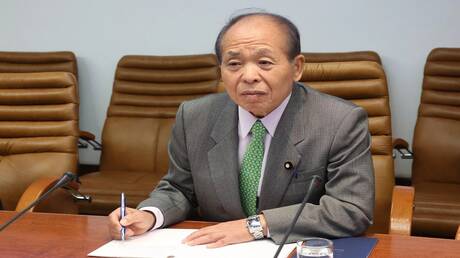
Japanese lawmaker Munio Suzuki, from the ruling Liberal Democratic Party, has emphasized the necessity of lifting economic sanctions imposed on Russia, stating that this action should precede any steps to send economic delegations to Moscow. These remarks come amid increasing tensions in international relations, raising questions about the future of economic cooperation between Japan and Russia.
Suzuki, a prominent figure in the ruling party, affirmed that lifting the sanctions would positively impact bilateral relations and enhance opportunities for cooperation in various fields, including trade and investment. He also pointed out that the current sanctions hinder progress in economic dialogue between the two countries.
Details of the Event
Suzuki's call comes at a time when Japan is seeking to strengthen its economic ties with Russia, particularly in light of global economic challenges. Relations between the two countries have notably deteriorated since the onset of the conflict in Ukraine, during which Japan imposed sanctions on Russia that included asset freezes and bans on exporting certain products.
Despite this, there are increasing calls within Japan to open channels of dialogue with Russia, especially given the need to bolster energy and economic security in the region. Suzuki is considered one of the leading advocates for this idea, as he believes that cooperation with Russia could contribute to achieving economic stability.
Background & Context
Historically, Japanese-Russian relations have been characterized by complexity, featuring periods of cooperation and others of tension. After World War II, the issue of the Kuril Islands remained a significant barrier to improving relations between the two nations. Nevertheless, there have been ongoing attempts to enhance economic cooperation, particularly in the fields of energy and natural resources.
In recent years, with the escalation of geopolitical tensions, Japan has become more cautious in its dealings with Russia. The sanctions imposed following the conflict in Ukraine were part of a broader policy aimed at pressuring Moscow, but they have also affected Japanese economic interests.
Impact & Consequences
If the Japanese government responds to Suzuki's call, it could lead to significant changes in Japan's foreign policy towards Russia. Lifting the sanctions may open the door to new investments and cooperation in areas such as energy and technology.
However, this move may face opposition from certain political circles in Japan, which argue that cooperation with Russia should be conditional on Moscow's adherence to international laws and respect for state sovereignty. Therefore, the final decision will have far-reaching implications for international relations in the region.
Regional Significance
This Japanese approach could have repercussions for Arab-Russian relations, as many Arab countries seek to enhance cooperation with Russia in energy and trade. If Japan manages to improve its relations with Russia, this may encourage Arab nations to take similar steps, thereby reinforcing Russia's role as a key player in the region.
At the same time, Arab countries must be cautious of the potential ramifications of this cooperation, especially amid rising geopolitical tensions. Collaboration with Russia should be approached carefully, taking into account national interests and regional security.
In conclusion, Suzuki's call emerges as a controversial step within the context of international relations, reflecting the challenges Japan faces in balancing its economic and security interests.