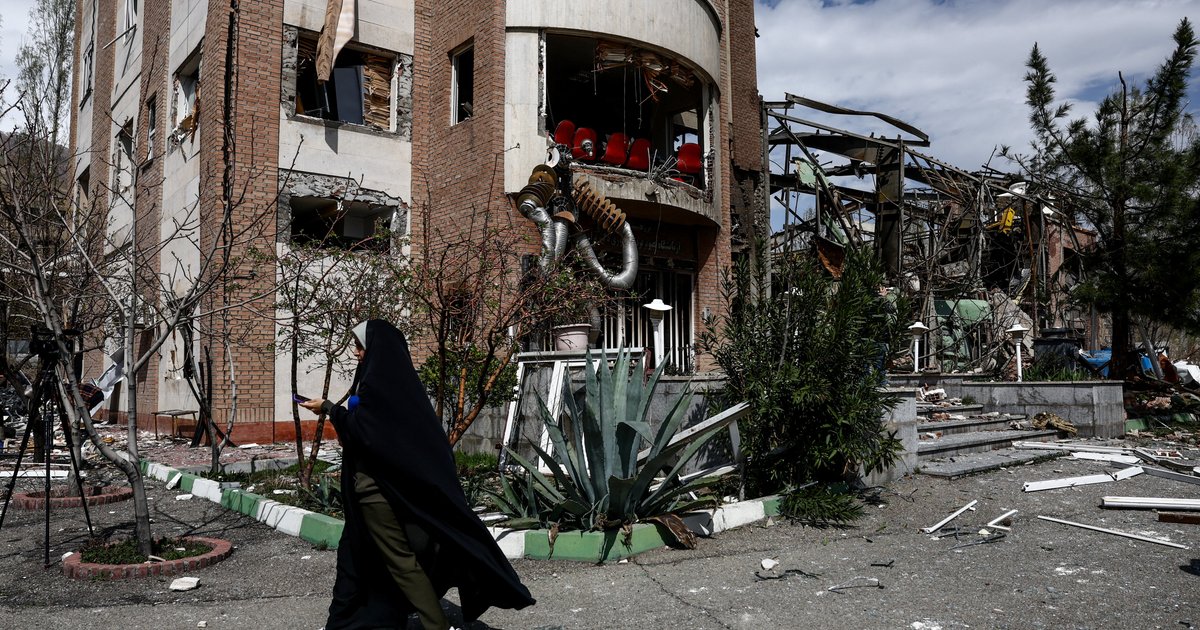
The International Atomic Energy Agency (IAEA), led by Rafael Grossi, has called for an urgent cessation of military attacks targeting Iran's Bushehr nuclear plant, warning that these assaults pose a real threat to nuclear safety. The agency emphasized that attacks near the facility could lead to a serious radiological incident jeopardizing the health of people and the environment in Iran and neighboring countries.
In a statement published on the platform X, the agency noted that the recent attacks, which occurred close to the plant, could have dire consequences. However, it did not mention the United States or Israel as forces behind these attacks, nor did it propose any additional measures.
Details of the Incident
These statements come after Iran criticized the IAEA for failing to take decisive action regarding the repeated attacks on its nuclear facilities. The Bushehr plant, one of Iran's main nuclear installations, has been attacked for the fourth time, raising fears of potential military escalation in the region.
In a letter addressed to the agency, Mohammad Eslami, head of the Iranian Atomic Energy Organization, criticized what he described as the agency's lack of decisive action, asserting that mere expressions of concern are insufficient and only serve to embolden aggression.
Background & Context
Historically, Iran has faced increasing international pressure regarding its nuclear program, with some countries accusing it of seeking to develop nuclear weapons. This pressure has led to the imposition of economic sanctions on Tehran, further straining relations between Iran and the West, particularly the United States and Israel.
The Bushehr nuclear plant is part of Iran's efforts to develop nuclear energy for peaceful purposes, but military attacks on it reflect international fears regarding the potential military use of this technology. Previous attempts to negotiate Iran's nuclear program have not yielded tangible results.
Impact & Consequences
Analyses suggest that the continuation of attacks on Iranian nuclear facilities could lead to military escalation in the region, threatening both regional and international security. Additionally, any radiological incident resulting from these attacks would have negative repercussions on the environment and public health in surrounding areas.
The IAEA is a pivotal entity in monitoring nuclear activities, but its failure to take decisive action may undermine its credibility and increase the risks of escalation. Furthermore, the ongoing attacks could provoke military responses from Iran, complicating the situation in the region.
Regional Significance
Given the current situation, the rising tensions surrounding Iran's nuclear program could directly impact neighboring Arab countries. Gulf states, in particular, are concerned about any military escalation that may affect their security and stability.
Moreover, the situation in Iran could influence relations between Arab states and Iran, as some countries seek to enhance security cooperation to address potential threats. In this context, Arab nations must remain vigilant regarding developments in the region and strive to promote diplomatic dialogue to avoid any escalation.