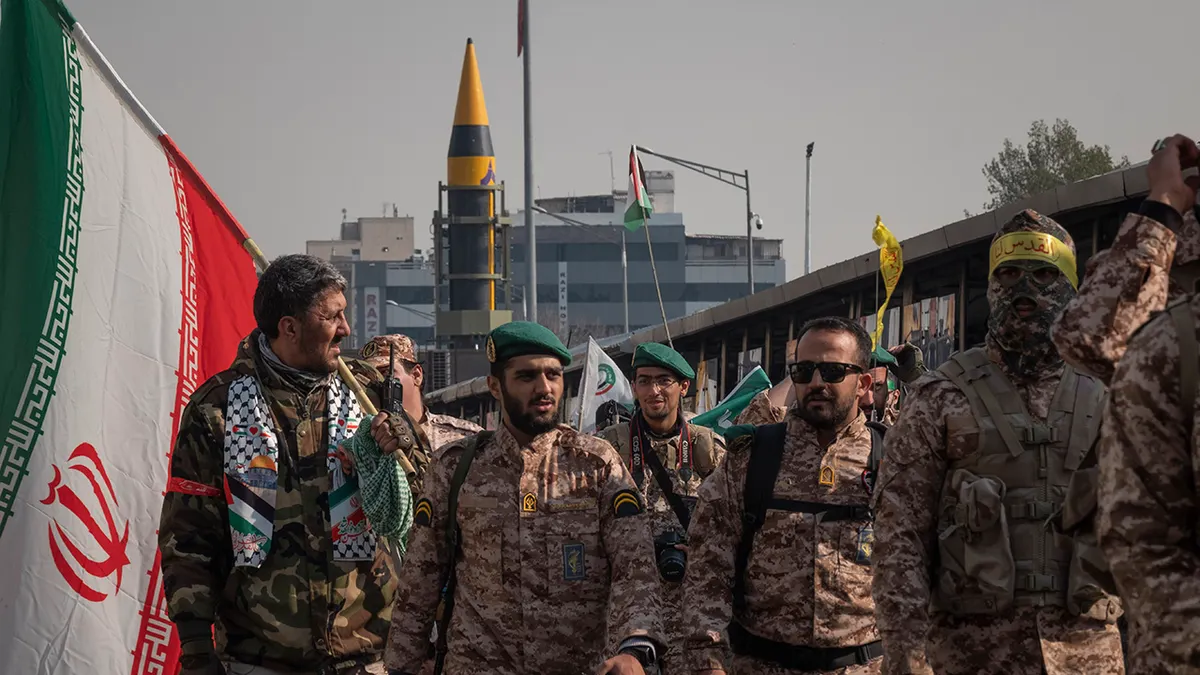
Abdul Hai Youssef, a leader in the Islamic movement in Sudan and a member of the Supreme Advisory Council, has called on Muslims to mobilize and participate in the war alongside Iran against the United States and Israel. This call comes at a time when regional tensions are escalating, raising concerns about its impact on security and stability in the region.
These statements are part of an increasing rhetoric calling for Islamic solidarity in the face of what are perceived as threats from Western powers. Youssef indicated that this war is not merely a military conflict but a battle for Islamic values and principles.
Details of the Call to Action
In his address, Youssef emphasized the necessity for Muslims to unite against what he described as American and Israeli aggression towards the Islamic nation. He noted that this war demands significant sacrifices, and Muslims must be prepared to fight to defend their rights and principles.
This call comes in the context of escalating tensions between Iran and the United States, especially following recent events in the region. These statements coincided with military escalations in certain areas, heightening fears of new conflicts breaking out.
Background & Context
Historically, relations between Iran and the United States have been tense, marked by several conflicts and disputes in the region. These tensions have contributed to the strengthening of religious and political discourse that advocates for Islamic unity. The Islamic movement in Sudan, to which Youssef belongs, has a long history of calling for jihad and resistance against what it perceives as occupation or aggression.
This call is part of a broader strategy aimed at enhancing the jihadist spirit within the Islamic world, particularly given the current circumstances faced by some Arab countries. Recent events in the region have shown an increasing desire to mobilize against Western powers.
Impact & Consequences
Youssef's call could lead to increased tensions in the region, potentially encouraging further involvement in armed conflicts. Additionally, these statements may provoke negative reactions from Western governments, which could result in escalated actions against Islamic movements.
Moreover, this call could affect relations between Arab states and Iran, as it may exacerbate existing divisions. At the same time, some young Muslims may find inspiration in this call to engage in political and religious issues.
Regional Significance
This call serves as a wake-up call for Arab countries, highlighting the need to address internal and external issues more effectively. These statements could increase divisions among various factions within the Islamic world, potentially hindering peace and stability efforts in the region.
In light of the current situation, Arab states must be cautious in responding to these calls and seek to promote dialogue and cooperation rather than engaging in new conflicts. Strengthening unity and solidarity among Arab states could be the optimal solution to face current challenges.
In conclusion, Abdul Hai Youssef's call opens the door for discussion regarding the role of Islamic movements in regional conflicts and underscores the importance of dialogue and understanding between Arab states and Iran. Given the current circumstances, deep reflection and careful analysis of the potential implications of this call are required.