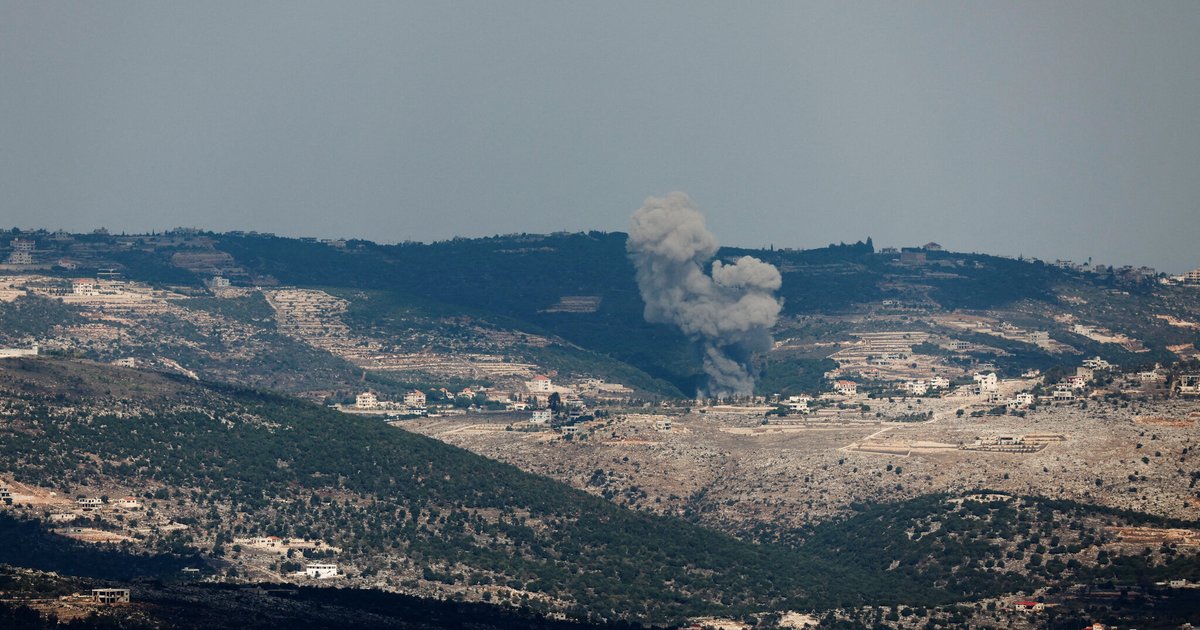
On Sunday, Lebanese President Joseph Aoun renewed his call for negotiations with Israel, emphasizing the need to prevent making "southern Lebanon like Gaza." These remarks come at a time when Israel continues its airstrikes and ground attacks, resulting in the destruction of several villages in southern Lebanon.
In a televised speech, Aoun stated, "It is true that Israel may want to make southern Lebanon like Gaza, but it is our duty not to drag it into that." These words reflect the growing concern in Lebanon over the rising military tensions, as fears mount regarding the humanitarian situation in the region.
Details of the Ongoing Situation
Israeli military operations continue in southern Lebanon, targeting various sites, which exacerbates the suffering of civilian populations. These operations have led to the displacement of many families, increasing the humanitarian burdens in the area.
The Lebanese statements come at a sensitive time, as fears of a larger escalation in the conflict grow, particularly with rising tensions in the region. Aoun highlighted the importance of dialogue as a means to avoid further escalation, stressing the need to maintain security and stability in Lebanon.
Background & Context
Historically, Lebanese-Israeli relations have been marked by ongoing tensions, especially following the armed conflicts that have plagued the region. Since the July 2006 war, conditions in southern Lebanon have remained fragile, with repeated clashes between Hezbollah and Israeli forces.
Gaza serves as a tragic model for humanitarian conditions, where residents suffer from blockades and ongoing military operations. Therefore, Aoun's call comes as an attempt to prevent the repetition of this painful experience in Lebanon, as he seeks to find peaceful solutions to the conflict.
Impact & Consequences
The continuation of military escalation could have serious repercussions for Lebanon, including a deterioration of humanitarian conditions and increased displacement. Additionally, any escalation may affect the political stability in the country, complicating internal situations further.
Aoun's call for negotiations is viewed as a positive step, reflecting Lebanon's desire to avoid armed conflict. However, the question remains regarding Israel's response to these calls, especially under the current circumstances.
Regional Significance
The situation in Lebanon directly impacts regional stability, as Lebanon serves as a crossroads for many regional and international powers. An escalation could lead to repercussions for neighboring countries, necessitating greater international attention to resolve the conflict.
Ultimately, the conditions in southern Lebanon remain under scrutiny, as the Lebanese people look for peaceful solutions that ensure their security and stability, away from the horrors of war.