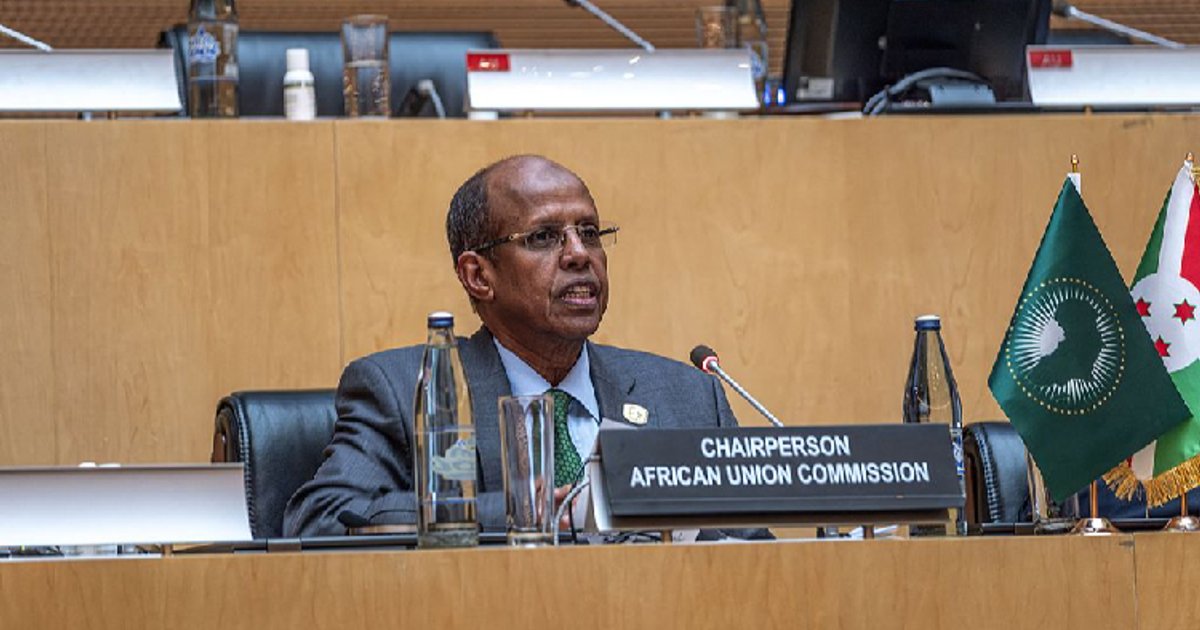
As political and security tensions rise in Somalia, the Chairperson of the African Union Commission, Mahmoud Ali Yusuf, has urged all concerned parties to engage in dialogue and understanding to resolve ongoing disputes. This call comes at a critical time, as fears grow over the worsening situation in the country, which could lead to further unrest.
Yusuf emphasized that dialogue through the National Advisory Council is the best way to prevent escalation, highlighting the importance of collective action to achieve peace and stability in Somalia. This statement comes as the country experiences sharp political divisions, complicating the security situation.
Details of the Situation
Tensions in Somalia have been escalating for some time, with various political factions competing for power and influence. Recently, the country has witnessed protests and demonstrations reflecting public discontent with the economic and political conditions. In this context, the African Union's call for dialogue is seen as a positive step towards addressing the multiple crises facing the nation.
The National Advisory Council is considered an important platform for negotiation among different parties, established to promote national dialogue and reconciliation. However, the success of this initiative depends on the commitment of all parties to engage actively and with a sincere intention to achieve peace.
Background & Context
Historically, Somalia has experienced long periods of conflict and strife, beginning with the collapse of the central government in 1991, which led to chaos and armed conflicts among various factions. Several international and regional efforts have been made to stabilize the country, but challenges remain, including the increasing activity of extremist groups such as Al-Shabaab.
In recent years, multiple elections have been held, but they have not been free of disputes. Some factions have accused the government of manipulating the results, exacerbating the situation. In this context, the dialogue called for by the African Union is seen as a necessary step towards calming tensions.
Impact & Consequences
If the African Union's call for dialogue is effectively implemented, it could lead to a de-escalation of tensions and progress towards stability. However, failure to achieve this could result in escalating situations, negatively impacting regional security.
Somalia is a strategic point in the Horn of Africa, where its conditions affect neighboring countries. Therefore, any escalation in conflict could threaten stability across the entire region, necessitating international attention.
Regional Significance
The interests of Arab countries are closely tied to Somalia, as it is considered part of Arab national security. Thus, the stability of Somalia directly impacts security in the Arabian Gulf region, especially given the security challenges facing the area.
Moreover, enhancing national dialogue in Somalia could contribute to strengthening Arab-African cooperation, thereby boosting development and stability opportunities in both regions.
In conclusion, the African Union's call for dialogue in Somalia represents an important opportunity to reach peaceful solutions to ongoing disputes. It requires commitment from all parties to achieve these goals, opening the door to a more stable future for the country.