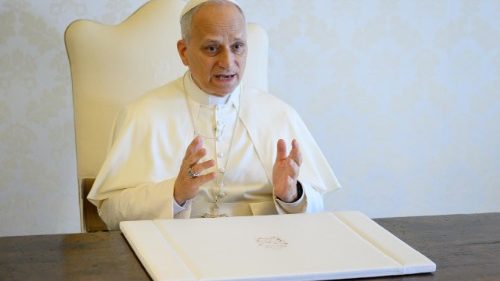
Pope Leo XIV has urged world leaders to choose peace over the use of force in wars. This call came during his Easter blessing at St. Peter's Cathedral, where he warned of the increasing violence and indifference towards human suffering. He emphasized that the peace he seeks is not one imposed by force, but one achieved through dialogue and understanding.
In his speech, the Pope stated, "Let those who bear arms lay them down," highlighting the necessity of adopting a dialogue approach instead of conflict. He expressed deep concern over the world's growing familiarity with violence. Additionally, he pointed out that indifference to the tragedies of war has become a prevailing characteristic, with the suffering of thousands due to armed conflicts being overlooked.
Details of the Event
In his Easter address, the Pope noted that war is not a solution but leads to more hatred and division. He mentioned that the economic and social challenges resulting from wars deeply affect communities. He called for the courage to confront these challenges through dialogue and understanding.
The Pope also indicated that true peace requires internal changes within hearts, not just a cessation of hostilities. He affirmed that peace must stem from love and tolerance, not from a desire to dominate others.
Background & Context
The Pope's call comes at a sensitive time, as tensions are escalating in various regions of the world, particularly in the Middle East. The region has witnessed a surge in conflicts, making the Pope's plea for peace more significant than ever. Pope Leo XIV, the first Pope from the United States, is known for his steadfast positions against wars and his continuous call for dialogue.
Historically, the Vatican has played an important role in promoting global peace, always striving to find peaceful solutions to conflicts. The Vatican is recognized for its initiatives in mediating between warring nations, making the Pope's current appeal part of this long-standing tradition.
Impact & Consequences
The Pope's call for peace carries significant implications on the international stage, potentially influencing the policies of major nations in dealing with conflicts. Amid the escalating disputes in the Middle East, the Pope's appeal may bolster diplomatic efforts to reach peaceful resolutions.
Moreover, his call for dialogue could inspire other leaders around the world to adopt a similar approach, contributing to a reduction in tensions. At the same time, this appeal may face challenges from powers that benefit from conflicts, making the pursuit of peace a difficult task.
Regional Significance
In the Arab region, the Pope's call for peace serves as a cry against the ongoing conflicts that many countries are suffering from. The conflicts in Syria, Yemen, and Palestine require genuine international efforts to achieve peace. The Pope's appeal could stimulate the international community to take effective steps towards ending these disputes.
In conclusion, Pope Leo XIV's call for peace stands as a reminder to everyone of the importance of dialogue and understanding in a world plagued by violence and conflicts. Achieving peace requires collective efforts for a better future.