Ahmad Dawami, the head of the Indonesian Poultry Breeders Association (GPPU), called for the necessity of policy coordination among government institutions as part of the review of Law No. 5 of 1999 concerning the prohibition of monopolistic practices and unfair competition. This statement was made during a public hearing with the VI Committee of the Indonesian Parliament, where Dawami stressed the importance of maintaining the balance of the national poultry industry.
Dawami pointed out that current policies regarding poultry production management could lead to varying interpretations within the framework of commercial competition. For instance, the premature reduction of the number of chickens produced could negatively impact productivity and lead to price instability in the market.
Details of the Hearing
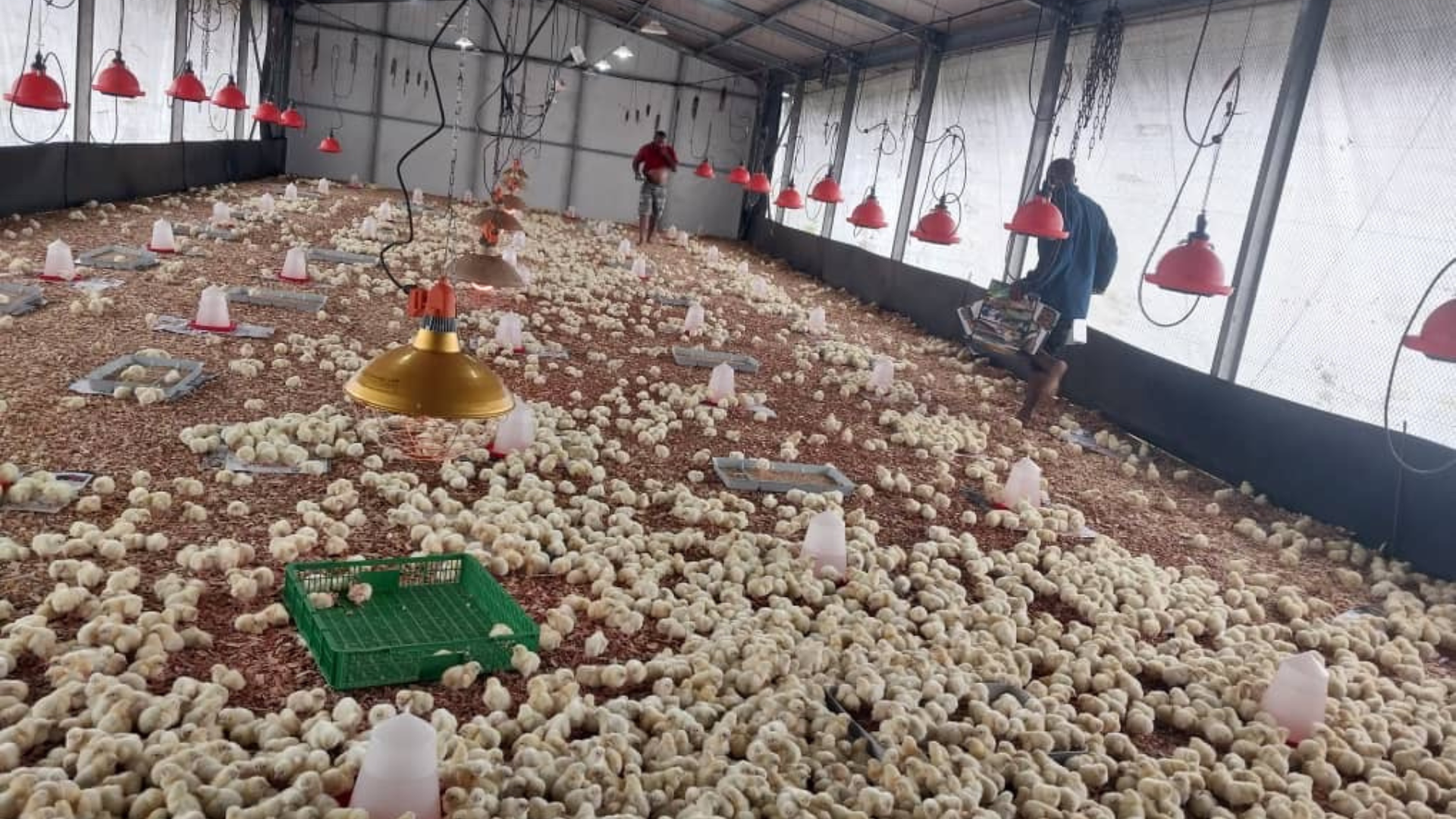
During the session, Dawami clarified that managing the supply of day-old chicks is considered an important government tool to maintain the balance between production and demand in the market. He emphasized that these policies are particularly applied during periods of production surplus, which could lead to price drops for farmers.
However, he noted that these policies could also be viewed as production regulation, which contradicts the principles of fair competition. He stressed the need for production management policies to align with commercial competition principles to ensure that there are no discrepancies in interpretations.
Background & Context
The poultry industry in Indonesia is one of the vital sectors that significantly contributes to the national economy and job creation. However, this industry faces numerous challenges, including fluctuations in feed prices such as corn and soybeans, which directly affect production costs.
Historically, Indonesia has witnessed significant changes in its agricultural policies, with new laws introduced to promote fair competition and protect consumers. Nevertheless, the need to update these laws to fit current conditions has become urgent, especially with rapid market changes.
Impact & Consequences
The call for policy coordination among government institutions is an important step to ensure the stability of the poultry industry. If these policies are effectively implemented, it could lead to improved economic conditions for farmers and ensure sustainable production.
Moreover, enhancing the understanding of policies among various stakeholders can help reduce legal disputes and increase trust between farmers and the government. This, in turn, could contribute to stabilizing prices and protecting consumers.
Regional Significance
The poultry industry is also a significant sector in many Arab countries, contributing to the provision of affordable animal protein. The challenges faced by the poultry industry in Indonesia may be similar to those encountered by Arab countries, such as price fluctuations and market demands.
Therefore, exchanging experiences and practices between countries can contribute to enhancing the sustainability of this industry in the region, ensuring the provision of safe and affordable food for consumers.